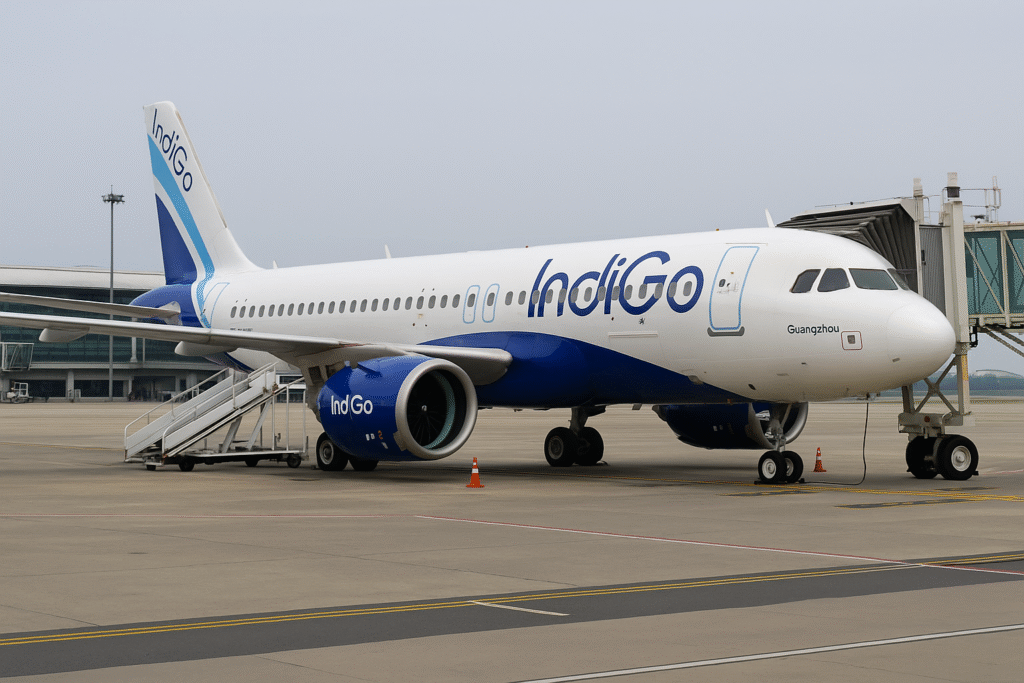
India’s largest airline, IndiGo, is facing a period of instability that could affect thousands of travelers flying between India and the UAE. The carrier handles the majority of domestic air traffic within India and operates a large share of international flights connecting Indian cities with Dubai, Abu Dhabi, Sharjah, and Ras Al Khaimah. With ongoing disruptions linked to staffing rules, operational pressure, and internal leadership challenges, travelers may experience higher fares, fewer flight options, and more schedule changes in the coming months.
The UAE-India corridor is one of the busiest air travel routes in the world. Any shift in airline capacity directly impacts tourism, family travel, business trips, and seasonal demand. With winter holidays approaching, the effects may become more visible.
Rising Pressure on UAE-India Airfares
IndiGo operates more than 200 flights weekly between India and the UAE. Its strong presence keeps fares competitive, especially on popular routes such as Dubai–Delhi, Abu Dhabi–Mumbai, and Sharjah–Chennai. When disruptions hit a major carrier, other airlines often struggle to absorb the sudden demand.
If IndiGo reduces schedules, even briefly, airfare spikes are likely. Industry analysts expect a 10–15 percent increase on heavily booked routes. During peak travel seasons, fares from the UAE to major Indian cities could reach higher levels, creating added pressure for families, tourists, and professionals who rely on budget-friendly travel options.
These changes may be more prominent during Indian festivals, school vacations in the Gulf, and the December travel rush.
Limited Flight Options and Schedule Instability
Irregular operations also mean fewer seats available each week. IndiGo runs more than 100 weekly flights to Abu Dhabi alone. Any cancellations on these routes reduce connectivity and increase the likelihood of full flights, especially during peak hours.
Travelers may face:
- Reduced seat availability on direct flights
- Higher fares for last-minute bookings
- Longer layovers if forced to choose alternate airlines
- Short-notice schedule changes
These issues create uncertainty for visitors planning trips to popular UAE destinations such as Dubai Expo events, Abu Dhabi attractions, and winter vacations across the Emirates.
Can Other Airlines Fill the Gap?
Air India and Air India Express serve key UAE-India routes, but both carriers are balancing their own restructuring programs and fleet limitations. Their ability to scale up quickly is limited. Other low-cost airlines from India operate fewer international flights, making it difficult to match IndiGo’s volume.
UAE carriers like Emirates, Etihad, Air Arabia, and flydubai offer strong networks and high reliability. However, these airlines typically operate at premium fare levels, and demand surges may push prices further upward. While they can absorb some additional passengers, replacing IndiGo’s massive capacity remains challenging.
Internal Challenges Impacting IndiGo
The disruptions stem not only from scheduling or regulatory changes but also from internal leadership turbulence. Reports highlight friction within management ranks, slower decision-making, and operational strain. These issues reduce the airline’s ability to respond swiftly to sudden demand shifts.
For travelers, this means less predictability. IndiGo has long been known for its punctuality and affordability. If its reliability weakens, passengers may hesitate to book in advance, especially for time-sensitive trips.
Government Fare Controls and Their Limits
India’s airfare caps apply mostly to domestic routes. These controls help stabilize ticket prices within India but have limited influence on international sectors such as UAE-India flights.
If IndiGo cuts capacity, the market forces of high demand and limited supply will still push international fares upward. This could place pressure on travelers flying for emergencies, family visits, tourism, and business.
What Travelers Should Do Now
Tourism and travel experts recommend early planning. With the possibility of shifting schedules and rising fares, travelers should consider the following steps:
1. Book Early
Fares tend to rise sharply when demand exceeds supply. Early booking helps secure better rates and preferred travel times.
2. Track Flight Updates
Check schedules frequently. Changes may occur with short notice during operational disruptions.
3. Consider Flexible Dates
Traveling a day earlier or later may significantly reduce costs, especially during festivals or holiday peaks.
4. Choose Airlines With Stable Operations
Established UAE carriers maintain strong contingency systems. Although fares can be higher, they offer stable schedules and wider route networks.
5. Purchase Travel Insurance
Coverage for delays or cancellations offers added protection during periods of uncertainty.
Broader Impact on UAE-India Tourism
The UAE relies heavily on Indian travelers, who make up one of the largest visitor groups to Dubai and Abu Dhabi. Any disruption to connectivity affects hotels, attractions, tour operators, and seasonal travel demand.
If IndiGo’s crisis continues, the tourism flow between both countries may experience temporary slowdowns. Travel planners and airlines will need to adjust capacity, pricing, and promotional strategies to maintain stable traffic.
Looking Ahead
IndiGo’s situation remains fluid. Its recovery pace will determine how long travelers face elevated fares and reduced flight options. The airline plays a crucial role in connecting India with the Gulf region, and its stability is vital for tourism, trade, and family travel.
For now, passengers should stay informed, plan ahead, and prepare for a dynamic travel environment on UAE-India routes.
For more travel news like this, keep reading Global Travel Wire