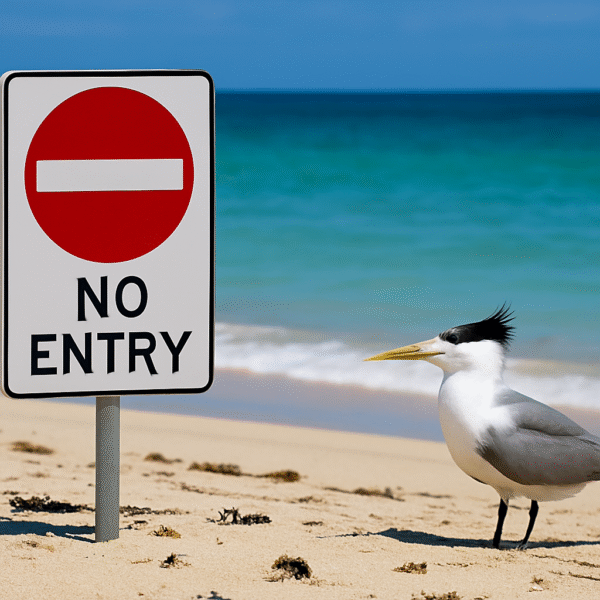
Australia’s Great Barrier Reef, one of the world’s most celebrated natural wonders, has introduced strict seasonal closures on four ecologically important islands. The goal is clear and urgent: protect seabird breeding colonies during the sensitive migratory season. These closures come with fines exceeding twenty thousand dollars for anyone who enters the restricted zones, including the islands and the surrounding airspace.
The move reflects Australia’s increasingly strong conservation policies and highlights how tourism and environmental protection must work hand in hand. With more than two million people visiting the reef each year, authorities aim to safeguard rare bird species while still supporting sustainable tourism across the region.
Which Islands Are Closed?
Four islands in the northern Great Barrier Reef Marine Park are now under temporary closure rules:
- Woody Island
- Sisters Island
- Taylor Cay
- Eagle Island
These islands, although small and largely undeveloped, attract visitors seeking quiet beaches, birdwatching, and pristine natural surroundings. During the nesting season, however, even light human activity can disrupt breeding seabirds.
Woody Island, Sisters Island, and Taylor Cay are closed until March 1, 2026.
Eagle Island will remain closed until April 1, 2026, marking its first year under these protective restrictions.
The closures also apply to the airspace up to 150 metres above the islands, preventing drones, low-flying aircraft, and recreational visitors from disturbing the birds. A maximum fine of $20,028 may apply to anyone who breaches these rules.
Why Seasonal Closures Matter
Every year, thousands of seabirds migrate to the Great Barrier Reef to find safe nesting places far from predators and urban disruption. These islands serve as critical breeding habitats for species that depend on stable, undisturbed environments to raise their chicks.
Key Species Protected
- Lesser crested terns
- Crested, bridled, and black-naped terns
- Pied imperial-pigeons
- Roseate terns
Sisters Island hosts the region’s second-largest lesser crested tern colony, making it a cornerstone for the species’ survival. Taylor Cay has slowly grown into another important nesting zone as its sand structure expands, attracting more birds each year. Woody Island supports globally significant populations of pied imperial-pigeons, while Eagle Island provides essential nesting space for multiple tern species in an area experiencing growing environmental stress.
Breeding success relies on silence, space, and predictable environmental conditions. Human activity—even brief visits—can cause parents to abandon nests, leaving eggs and chicks vulnerable to heat, predators, or starvation. Seasonal closures give the birds uninterrupted time to lay eggs, hatch chicks, and complete their early development.
Impacts on Tourism and Visitor Planning
While four islands are temporarily off-limits, the Great Barrier Reef remains a vibrant and accessible destination. The closures only affect small and relatively remote islands, not the wider reef network. Tourists can still explore world-class dive sites, vibrant coral gardens, and a wide range of islands that remain open all year.
Visitors planning trips between now and early 2026 should review updated maps and visitor guidelines issued by authorities before travelling. Most guided tours and tourism operators already adjust routes and schedules to match the seasonal restrictions.
Alternative Experiences Still Open to Travellers
- Snorkelling and diving across iconic reef locations
- Visiting major islands such as Fitzroy, Green, and Lizard Island (outside the restricted zones)
- Sailing and reef-friendly boating tours
- Wildlife cruises showcasing dolphins, turtles, and reef sharks
- Eco-guided birdwatching tours in permitted areas
The closures also create a unique opportunity for travellers to learn more about reef conservation and the dynamic relationship between tourism and wildlife protection.
How These Closures Protect the Reef’s Future
The Great Barrier Reef faces multiple pressures, including warming ocean temperatures, coral bleaching, extreme weather, and habitat loss. Protecting seabird populations is part of a broader strategy to strengthen the reef’s ecological resilience.
Healthy seabird colonies support the ecosystem by distributing nutrients, aiding plant growth, and contributing to natural cycles that support reef life. By allowing breeding to occur undisturbed, authorities improve long-term outcomes for these bird populations and, by extension, the broader marine environment.
Seasonal closures also help limit erosion, trampling, and pollution on fragile sand cays and small islands. Reduced human presence lowers waste, prevents disturbance to turtle nesting activity, and protects coastal vegetation from stress.
Encouraging Responsible Tourism
Tourism agencies and park authorities are urging travellers to respect the closures and follow all visitor guidelines. Responsible travel—such as keeping distance from wildlife, avoiding restricted areas, and choosing eco-accredited operators—directly contributes to the health of the Great Barrier Reef.
By planning visits around these temporary restrictions, visitors play an active role in preserving one of the most unique ecosystems on Earth. The islands will reopen in time for the Easter holidays in 2026, giving future travellers the chance to enjoy these areas once the nesting season is complete.
A Necessary Pause for a Thriving Future
The temporary closures of Woody Island, Sisters Island, Taylor Cay, and Eagle Island demonstrate the importance of balancing human enjoyment with ecological protection. While access to a few remote islands is restricted, the benefit to seabird populations and the reef’s long-term health is immense.
Visitors who plan ahead and travel responsibly will still enjoy unforgettable experiences across the reef while helping safeguard a globally significant natural treasure for generations to come.
For more travel news like this, keep reading Global Travel Wire