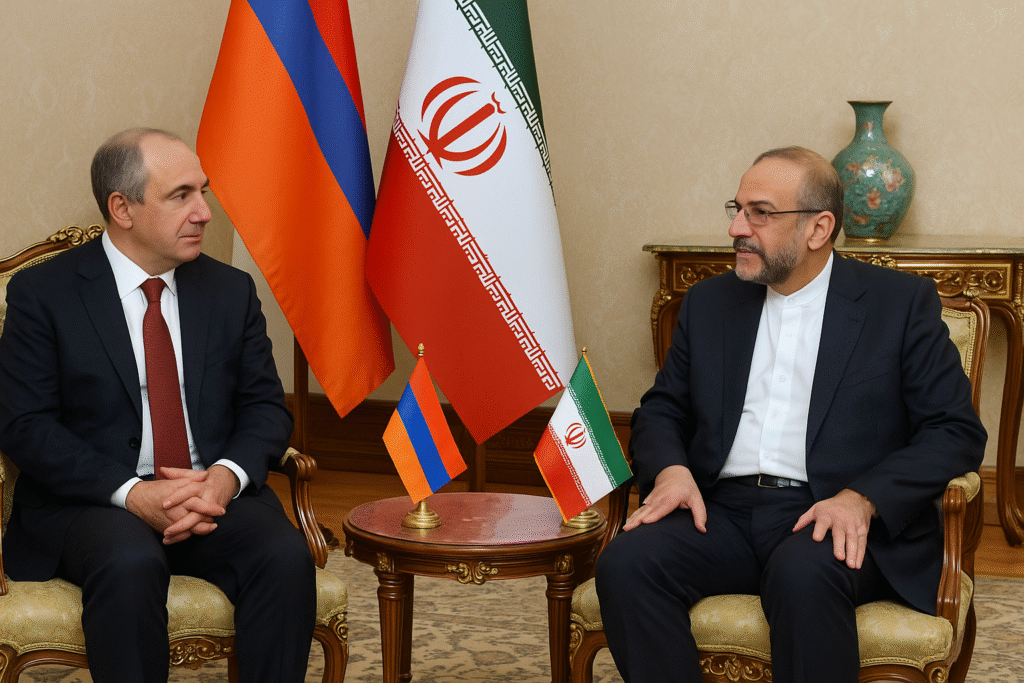
Armenia and Iran deepened their cultural tourism partnership during a high-level meeting in Yerevan. The discussion united Alfred Kocharyan, Deputy Minister of Education, Science, Culture, and Sports of Armenia, and Anoushirvan Mohseni-Bandpey, Deputy Minister of Tourism of Iran. Both officials reviewed new plans that improve heritage protection, strengthen cultural exchange, and expand tourism flows between the two neighbors.
Kocharyan highlighted centuries of strong ties between the two countries. He noted the shared history, regional connections, and long record of cultural cooperation. He voiced strong support for new projects that protect monuments, preserve traditions, and enrich tourism development. He also welcomed the deep technical expertise that Iranian professionals offer in heritage maintenance.
The meeting took place during a period of rising interest in regional tourism. Armenia and Iran both invest in new visitor programs, upgraded infrastructure, and cultural preservation strategies. These efforts support growing tourist demand across the Caucasus and the wider Middle East.
New UNESCO Heritage Plans Support Joint Preservation Goals
Officials outlined a new strategy for joint submissions to UNESCO heritage lists. The plan aims to spotlight cultural landmarks that reflect the shared history of both nations. Kocharyan stressed the value of international recognition for these sites. He also noted that UNESCO programs help both countries secure expert guidance, stronger protection, and global visibility.
Both sides reviewed several candidate projects that highlight ancient architecture, historic manuscripts, spiritual traditions, and cross-border cultural links. Armenia and Iran both hold deep reserves of heritage sites that attract researchers and cultural travelers. These include ancient monasteries, archaeological complexes, caravan routes, and long-preserved craft traditions.
Iranian specialists offer extensive experience in monument restoration, stone conservation, and heritage management. Armenian teams welcomed this support and prepared new technical groups that work on complex restoration tasks. Both sides expressed strong interest in long-term cooperation on shared heritage corridors.
Kocharyan also referenced a major cultural event in Persepolis that honored the 100th anniversary of the National Philharmonic Orchestra of Armenia. The concert strengthened cultural ties and attracted strong regional interest. The event also showed the successful cultural partnership between the two nations.
Tourism Officials Plan New Programs in Handicrafts and Religious Tourism
Mohseni-Bandpey expressed deep appreciation for Armenia’s hospitality and confirmed Iran’s commitment to stronger collaboration. She highlighted Iran’s goal to increase tourism flows with Armenia through new cultural routes, joint festivals, and expanded creative industry programs.
She noted that Armenian churches in Iran attract many visitors each year. These sites highlight the lasting Armenian presence in the region and offer unique cultural value. The tourism sector in Iran seeks to grow these routes and increase promotion of Armenian heritage within its borders.
The officials also reviewed new cooperation plans in handicrafts. Both countries hold long craft traditions that shape local identity and support rural economies. Armenian stone carvings, wood art, and textile work attract strong visitor interest. Iranian pottery, metalwork, and weaving offer similar cultural richness. Joint programs may include artisan exchanges, workshops, markets, and regional craft fairs.
These efforts support the growing global demand for authentic cultural experiences. Many travelers seek workshops, handmade products, and meaningful contact with local communities.
Tourism Growth Supports Economic Development in Both Countries
The tourism sectors in Armenia and Iran continue to play key roles in economic development. Cultural tourism offers strong potential for job creation, since many communities rely on hospitality, food services, guiding, and artisanal production. Both nations aim to use cultural heritage as a central draw for international travelers.
New initiatives may increase cross-border visitor flows. Short-haul travel grows steadily between the two countries as improved roads, reduced travel barriers, and seasonal events encourage more movement. Regional tourism bodies in the Caucasus and Middle East also support programs that highlight cultural diversity and sustainable travel.
Armenia and Iran both attract travelers who seek history, nature, cuisine, and local traditions. Joint cultural routes create stronger visibility for both countries on the global stage. These routes also support long-term development goals that focus on community inclusion and cultural preservation.
Future Projects Aim for Greater Cultural Impact and Sustainability
The meeting set the stage for long-term cooperation in heritage preservation, tourism planning, and cultural programming. Both governments aim to introduce more sustainable tourism practices that protect heritage while supporting local economies.
Officials discussed new opportunities for educational programs, expert exchanges, and tourism marketing campaigns. They also explored plans for cross-border festivals, regional heritage conferences, and larger cultural events that highlight shared values.
Both nations expect their partnership to inspire new models for cultural cooperation. Armenia and Iran share a strong commitment to inclusive tourism development and heritage conservation. Their new initiatives strengthen regional unity, promote deeper understanding, and support long-term economic growth.
The partnership enters a new stage as both sides prepare fresh projects that celebrate culture, protect monuments, and welcome travelers who seek meaningful experiences rooted in history and tradition.
For more travel news like this, keep reading Global Travel Wire