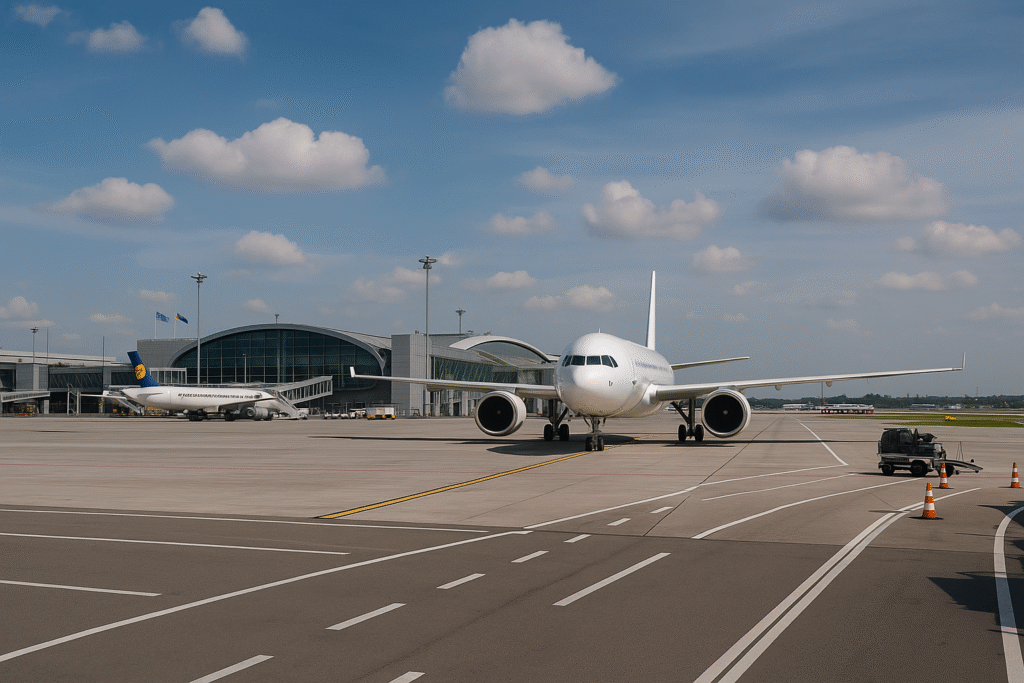
The global tourism industry is poised for a powerful resurgence as airlines prepare to carry an estimated 5.2 billion passengers in 2026. This projection marks a defining moment for international travel, signaling not only the recovery of the aviation sector but also the revitalization of tourism-dependent economies around the world. With travel demand rising steadily and airline profitability reaching record highs, the industry is preparing for one of its strongest years in decades.
For destinations across Asia–Pacific, Europe, Africa, and the Americas, the anticipated surge in flight activity presents a significant opportunity to welcome millions of travelers seeking cultural experiences, business engagements, and long-awaited leisure trips. As consumer confidence continues to rebound, hotels, attractions, tour operators, and local businesses stand to benefit enormously from the global travel boom expected in 2026.
The Direct Link Between Rising Air Travel and Tourism Growth
As airlines expand operations to meet rising demand, global tourism is experiencing renewed momentum. The Asia–Pacific region is set to play a leading role, supported by fast-growing economies and an expanding middle class that increasingly prioritizes international travel. High seat occupancy rates—projected at nearly 84 percent in 2026—reflect strong market confidence and guarantee steady visitor arrivals across major destinations.
Countries such as India, China, Japan, Indonesia, and Thailand are expected to experience notable tourism increases due to expanded flight capacity. This growth supports travel-related sectors ranging from hotels and restaurants to cultural attractions and transport services. For destinations heavily reliant on international arrivals, consistent airline connectivity provides the stability needed for tourism-driven development.
The revival of long-haul travel also strengthens global mobility. Travelers once again feel confident booking holidays, attending conferences, and exploring new regions, reinforcing the essential role airlines play in supporting tourism ecosystems.
Europe Prepares for a Major Tourism Upswing
Europe remains one of the world’s most visited regions, and the projected rise in global air traffic is expected to benefit countries such as France, Spain, Italy, and Greece significantly. With well-connected airports, extensive route networks, and a diverse mix of cultural attractions, Europe is positioned to welcome increased arrivals from Asia, the Americas, and the Middle East.
Low-cost carriers continue to expand their offerings, making travel to European cities more affordable for millions. Meanwhile, established tourism hubs like Paris, Barcelona, and Rome are enhancing their visitor services and preparing for heightened footfall at heritage sites, museums, and shopping districts.
Cultural tourism is expected to thrive as well, supported by festivals, sporting events, and culinary experiences that draw international attention. For small businesses—from boutique hotels to local food markets—the surge in arrivals is set to drive job creation and economic recovery throughout the region.
Emerging Tourism Markets Set to Capture New Opportunities
Beyond traditional tourism powerhouses, emerging destinations across Africa, Latin America, and Eastern Europe are leveraging increased flight connectivity to attract global travelers. Airlines are opening new routes to cities such as Nairobi, Cape Town, São Paulo, and Bogotá, making once-distant regions more accessible to international tourists.
Countries like Kenya, Tanzania, and Namibia are seeing rising interest in adventure travel and wildlife tourism. Meanwhile, Mexico, Brazil, and Colombia remain popular for beach tourism, cultural experiences, and ecotourism. These emerging markets benefit from renewed investment in airports, tourism promotions, and infrastructure that support higher visitor numbers.
With global travelers seeking authentic and lesser-known destinations, these regions are well-positioned to capture growing demand and diversify their tourism economies.
Challenges Ahead for the Aviation Sector
Despite the optimistic forecast, the aviation industry continues to face challenges that require careful navigation. Rising fuel prices, supply-chain limitations, and higher operational costs may affect ticket pricing and airline profitability. The cost of adopting sustainable aviation fuel—an essential step in reducing emissions—also poses financial pressure on carriers.
However, most tourism markets are expected to remain resilient. Airlines are increasingly investing in efficient fleets, digital innovations, and customer-focused strategies to ensure smooth travel experiences. Governments and tourism boards are also preparing new campaigns, improving infrastructure, and reinforcing their hospitality sectors to manage growing tourist volumes.
In Africa and other developing regions, strategic efforts are underway to strengthen connectivity, expand airport capacity, and promote aviation partnerships that can sustain tourism growth despite operational constraints.
A Promising Future for Global Tourism
As the world moves closer to 2026, optimism continues to grow across the travel and tourism industry. The expected rise to 5.2 billion air passengers marks a significant turning point, highlighting the world’s eagerness to reconnect, explore, and rediscover global cultures. This recovery brings unmatched opportunities for hotels, attractions, tour operators, and local communities that rely on tourism for economic vitality.
Collaboration between airlines, governments, and tourism stakeholders will be essential to ensuring that this growth is both sustainable and inclusive. By expanding flight networks, enhancing passenger experiences, and promoting diverse destinations, the travel sector is preparing to welcome a new era of global exploration.
For travelers, 2026 signals a return to freedom and discovery—where borders open wider, journeys become easier, and the world feels more accessible than ever before.
For more travel news like this, keep reading Global Travel Wire