Japan has raised a rare and historic megaquake advisory after a strong 7.5-magnitude earthquake struck its northern regions. The powerful quake has increased the short-term risk of stronger aftershocks and possible major seismic activity. With tourism at its peak this season, travelers are urged to stay alert, follow official guidance, and understand the safety procedures in regions most affected.
Understanding the Megaquake Alert
The Japan Meteorological Agency issued the warning after the coastal areas of northern Honshu experienced intense shaking. The quake originated offshore at a depth of around 50 kilometers. Tremors spread across Aomori, Iwate, and nearby prefectures, with shaking felt as far south as Tokyo.
The advisory highlights a temporary increase in the chance of a stronger earthquake, possibly magnitude 8 or higher, within the next week. While the likelihood remains low, Japan’s system requires an alert whenever a large offshore quake occurs in areas known for megathrust activity.
This region sits near the Japan and Kuril Trenches, where the Pacific Plate dives beneath surrounding plates. These zones have generated some of the world’s most powerful quakes. The alert aims to keep residents and tourists aware, prepared, and informed.
Impact on Northern Japan
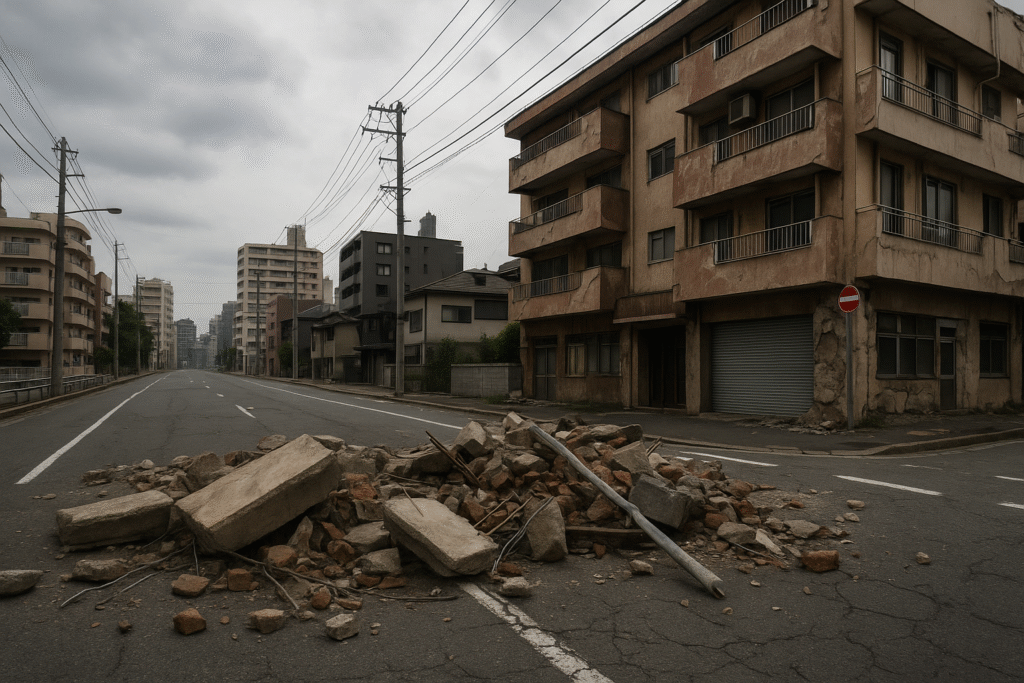
Northern Honshu experienced visible effects after the quake. Local authorities reported damaged roads, cracked buildings, and temporary power outages. More than 80,000 residents moved to evacuation centers as aftershocks continued. Small tsunami waves reached the coast, though they did not cause major damage.
Tourist spots across Aomori and Hokkaido remained operational, but safety inspections were carried out in transport hubs, hotels, and public areas. Rail services in some zones were briefly suspended for checks. Airports continued normal operations with added caution.
The current concern is not widespread destruction but the potential for stronger aftershocks. Travelers exploring coastal towns or rural regions may notice heightened safety messaging, more frequent loudspeaker announcements, and increased guidance from local staff.
Why Scientists Are Concerned
Japan lies on the Pacific Ring of Fire, making it one of the most earthquake-prone countries. Subduction beneath the Japan Trench accumulates immense pressure over time. When released, it can produce massive earthquakes and tsunamis.
The recent 7.5 quake could be an isolated event or part of a larger stress adjustment. Scientists are watching closely for patterns that may indicate rising seismic tension. Japan’s history includes significant events like the 2011 Tohoku earthquake, making caution essential.
Although the advisory is temporary, the government prefers heightened awareness over underestimation. Tourists benefit from this approach, as Japan’s emergency-alert system is one of the most advanced globally.
What This Means for International Travelers
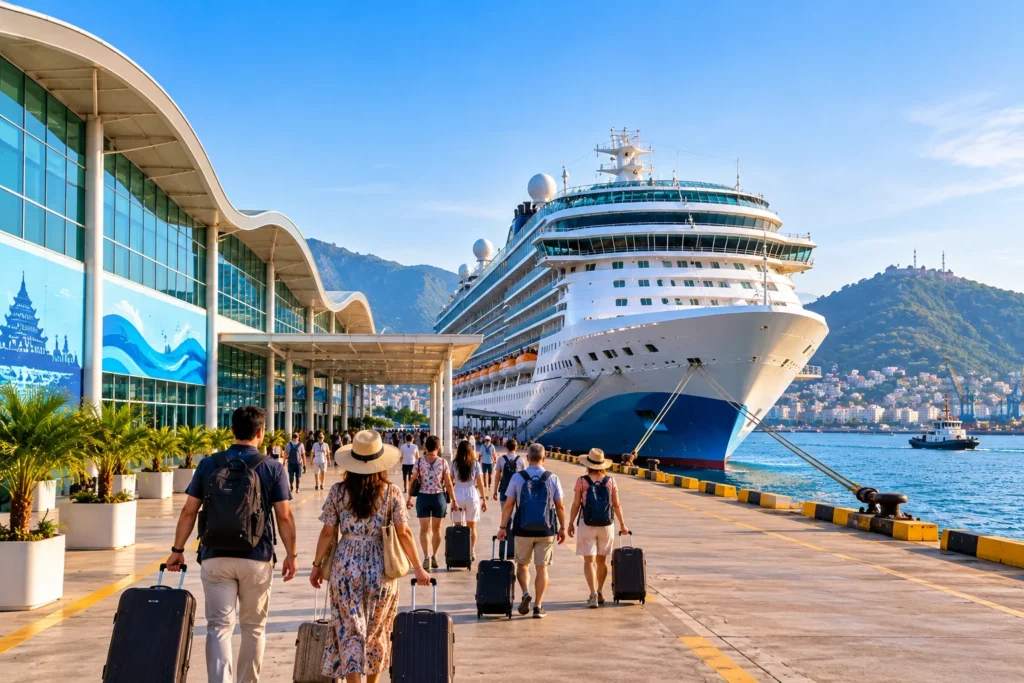
Japan remains open for tourism. Flights, rail lines, and hotels across the country are functioning normally. Most tourist destinations outside the northern coastal area remain unaffected.
However, visitors should stay informed, especially if traveling to Aomori, Iwate, Hokkaido, or nearby areas. Local authorities continue to update evacuation zones, shelter locations, and safety procedures.
For travelers staying in coastal towns, understanding tsunami routes is important. Many streets have signs in English that point toward higher ground. Hotels also provide multilingual instructions in guest rooms.
Safety Measures Every Tourist Should Follow
1. Stay Updated
Monitor alerts issued through Japan’s disaster-warning apps or local broadcasts. Many hotels guide guests on how to access these systems in English.
2. Know Your Evacuation Routes
Tourist centers and hotels display maps showing safe zones. Review them upon arrival. Coastal regions have well-marked tsunami evacuation paths.
3. Prepare a Small Safety Kit
Carry essentials like water, snacks, a flashlight, a phone charger, and basic medicines. Convenience stores remain reliable but may close briefly after strong tremors.
4. Follow the “Drop, Cover, Hold” Rule
If shaking begins, drop to your knees, take cover under a table or sturdy surface, and hold on until it stops. Aftershocks are common, so remain alert.
5. Avoid Coastal Areas During Warnings
If a tsunami alert sounds, move to higher ground immediately. Do not return until authorities confirm safety.
Should Neighboring Nations Be Worried?
The seismic threat is concentrated in the Pacific basin near Japan. Countries bordering the Indian Ocean, including India, face no immediate tsunami risk from this event. Their exposure mainly comes from the Sunda Trench near Indonesia, which produced the 2004 Indian Ocean tsunami. Japan’s current advisory does not affect those waters.
Japan Remains Safe for Travel With Awareness
Despite the advisory, Japan remains one of the safest destinations for international travel due to its strong infrastructure, precise alerts, and organized emergency systems. Tourists can continue exploring the country while staying mindful of evolving conditions.
By following local guidance and understanding the basics of earthquake safety, visitors can travel with confidence while respecting the precautions in place.
For more travel news like this, keep reading Global Travel Wire