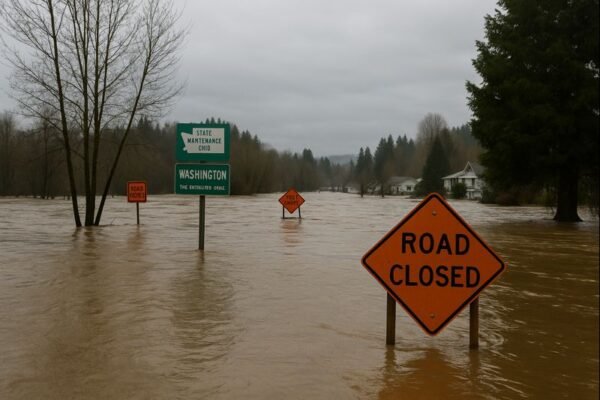
Washington State is facing one of its most disruptive weather emergencies in years. Record-breaking floods along the Snoqualmie River have triggered widespread travel delays, community evacuations, and a major setback for the region’s tourism sector. After several days of relentless rainfall from a powerful atmospheric river, the river surged to its highest levels in a decade, forcing travelers and local businesses into crisis mode.
The Pacific Northwest is no stranger to heavy winter rain, but the December storm system has pushed the region into emergency status. Key travel corridors remain flooded, visitor hotspots are closed, and tourism operators are bracing for long-term losses.
Atmospheric River Brings Unprecedented Rainfall
Beginning December 8, a strong atmospheric river swept across western Washington. The storm hammered the region with nonstop rain. By December 10, the Snoqualmie River had risen far beyond its flood stage, reaching rare 10-year high-water marks.
Weather agencies reported rapid river swelling across King and Snohomish counties. Communities downstream saw entire stretches of land submerged within hours. Roads, trails, and major viewing areas near Snoqualmie Falls were instantly cut off. Authorities issued urgent flood warnings, encouraging residents and visitors to stay away from low-lying areas and unstable riverbanks.
Travelers, especially those heading to winter attractions, were affected almost immediately. With visibility low and road conditions deteriorating, transportation officials shut down multiple highways to prevent accidents. Heavy water on the pavement also affected rail travel, delaying key train routes serving the Seattle metro and nearby tourist zones.
Tourism Hotspots Forced to Close
Snoqualmie Falls, a staple attraction in Washington’s travel landscape, has been one of the hardest-hit destinations. Viewing decks, normally crowded with visitors, are now inaccessible due to rising water and trail damage. Local businesses that rely on the steady flow of tourists have reported a wave of cancellations.
Outdoor adventure operators, lodges, and restaurants across the Snoqualmie Valley are facing major revenue losses. Many expect closures to continue until floodwaters recede and essential safety assessments are completed.
In addition, popular gateway routes to Mount Rainier National Park have experienced partial closures. Visitors heading toward the Cascades are being encouraged to delay travel plans to avoid hazardous conditions.
Communities Scramble Amid Rising Waters
Fall City and several riverfront towns are dealing with serious infrastructure impacts. Overflowing water breached community boundaries, sending rapid currents through residential neighborhoods. Hundreds of homes now face water damage, and temporary evacuation shelters have taken in displaced families.
Emergency teams have worked continuously to rescue residents trapped by rising currents. Local volunteer groups have also stepped in, offering supplies and support to those forced from their homes.
The immediate relief efforts highlight the strain on both communities and the tourism workforce, many of whom are grappling with personal losses while trying to support stranded visitors.
Emergency Declarations and Government Response
State officials have activated emergency operations across affected counties. The governor’s office issued state-level emergency declarations to speed up response coordination and unlock additional resources. Emergency crews are monitoring river levels using real-time hydrologic data to anticipate new risks.
Shelters have been established across western Washington, providing temporary housing to residents and some tourists caught off-guard by the storm. Agencies continue to urge travelers to follow updates from transportation and weather authorities. Many local highways will remain closed until crews can repair damaged sections and clear debris.
Major Travel Disruptions Across the Region
This flood event has created one of the biggest travel disruptions the Pacific Northwest has seen in recent years. I-90, the region’s primary east-west travel route, has experienced extended closures. Secondary roads and rural backcountry routes are also blocked by floodwaters or mudslides.
Air travel has seen ripple effects as well. While major airports remain open, flight delays have increased due to crew shortages, re-routing issues, and weather concerns across the West Coast.
Visitors still in the region have been encouraged to postpone sightseeing, avoid unnecessary driving, and stay in communication with local authorities.
What Tourists Need to Know Right Now
Travel experts urge visitors to remain flexible and adjust their itineraries. Many hotels and tour operators are allowing free rescheduling due to the scale of the disaster. Travelers planning upcoming trips to areas near the Snoqualmie River should consider exploring alternate destinations until the region stabilizes.
The eastern half of Washington, which sits in a drier climate zone, continues to operate normally. Cities such as Spokane, Yakima, and Wenatchee remain unaffected and provide safer travel options for winter recreation.
For those already in western Washington, officials recommend:
- Checking updated road closures before driving
- Avoiding riverside trails and viewpoints
- Staying indoors during peak rainfall
- Following guidance from local emergency responders
Climate Concerns and Long-Term Impact on Tourism
Climate experts warn that atmospheric river events are becoming more intense. Rising temperatures contribute to stronger storms, raising the risk of similar flooding events in the future. This trend challenges Washington’s tourism industry, which heavily depends on outdoor travel and predictable seasonal weather.
To protect both residents and visitors, the state may need to invest in stronger flood defenses, improved transportation infrastructure, and resilient tourism planning.
A Wake-Up Call for Travelers and Tourism Leaders
The Snoqualmie River’s historic flooding serves as a stark reminder of the growing weather risks facing the Pacific Northwest. While the region remains a beloved travel destination, safety must come first. As cleanup begins, tourism leaders and communities will work to rebuild and welcome visitors back once conditions improve.
For now, travelers are urged to stay alert, stay informed, and prioritize safety until the region fully recovers.
For more travel news like this, keep reading Global Travel Wire