Global tourism has entered a powerful new phase in 2025, marked by unprecedented international travel growth and a notable shift in traveler preferences. As worldwide mobility continues to rebound strongly, Bangkok has emerged as the most visited city on the planet, joining global heavyweights such as Hong Kong, London, Paris, Macao, Dubai, and Mecca in defining the new era of tourism. Together, these cities are reshaping travel trends by offering immersive cultural, leisure, luxury, and spiritual experiences supported by strong infrastructure and global connectivity.
This year represents a milestone for the tourism industry, with international arrivals reaching levels that signal not only recovery but transformation. Travelers are increasingly drawn to destinations that combine authenticity, accessibility, and diversity, a trend that has propelled Asian and Middle Eastern cities to the forefront of global rankings.
Bangkok’s Breakthrough as a Global Tourism Leader
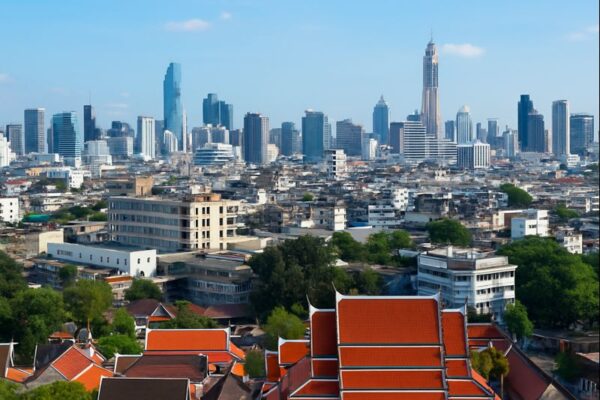
Bangkok’s rise to the top of global tourism rankings in 2025 is one of the most striking developments of the year. Welcoming more than 30 million international visitors, the Thai capital has surpassed traditional tourism powerhouses and established itself as a world-leading destination. Its success lies in its extraordinary ability to cater to a broad spectrum of travelers, from budget-conscious backpackers to high-end luxury tourists.
The city’s appeal is rooted in its dynamic street life, renowned food culture, historic temples, modern shopping districts, and a hospitality sector that has continuously adapted to global demand. Bangkok’s affordability, vibrant nightlife, wellness offerings, and strong air connectivity have further strengthened its position. Rather than relying on a single attraction, the city thrives on variety, making it accessible and exciting for repeat visitors.
Hong Kong’s Strong Comeback on the Global Stage
Hong Kong ranked just behind Bangkok in international arrivals, demonstrating remarkable resilience and renewed momentum. With more than 23 million visitors in 2025, the city reaffirmed its status as a major global gateway. Its success reflects the enduring appeal of its skyline, cultural diversity, culinary scene, and blend of Eastern and Western influences.
Hong Kong continues to attract leisure travelers, business visitors, and regional tourists alike. Its role as a financial hub, combined with world-class shopping and entertainment, has allowed it to remain competitive in an increasingly crowded global tourism landscape. The city’s rebound also highlights the importance of connectivity and strategic positioning in sustaining long-term tourism growth.
London and Paris Maintain Europe’s Global Influence
Despite the rapid rise of Asian destinations, Europe’s iconic cities remain firmly embedded in global travel patterns. London continues to be Europe’s most visited city, welcoming over 22 million international visitors in 2025. Its timeless landmarks, cultural institutions, theater scene, and historical significance ensure its ongoing global appeal, even as competition intensifies.
Paris, while receiving fewer visitors than some Asian counterparts, retains its unique stature as a global cultural capital. With more than 18 million international arrivals, the French capital remains synonymous with art, fashion, gastronomy, and romance. Its recognition as one of the world’s most admired cities underscores the enduring power of heritage-driven tourism.
Middle Eastern Destinations Gain Global Prominence
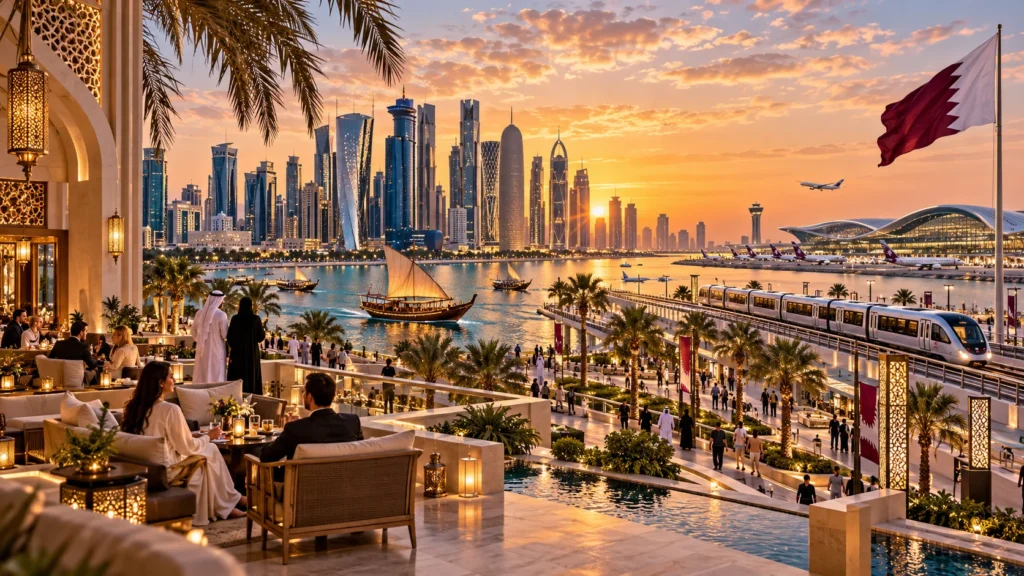
Cities across the Middle East have strengthened their position as global tourism leaders in 2025. Dubai continues to attract millions with its luxury resorts, shopping festivals, futuristic architecture, and entertainment-driven tourism model. Its ability to blend leisure, business, and lifestyle travel has made it one of the most recognizable destinations worldwide.
Mecca stands apart as one of the most significant tourism destinations globally due to its religious importance. Each year, millions of pilgrims travel to the city, making faith-based tourism a powerful and consistent driver of international arrivals. This highlights the growing recognition of spiritual travel as a major segment within global tourism.
Macao and Istanbul Reflect the Power of Experience-Led Travel
Macao’s continued success underscores the strength of entertainment and lifestyle tourism. Known for its integrated resorts, gaming sector, and cultural heritage, the city attracts travelers seeking both leisure and luxury experiences. Meanwhile, Istanbul’s position as a bridge between Europe and Asia has made it a magnet for cultural explorers drawn to its history, architecture, and vibrant urban life.
These cities exemplify how experience-driven tourism, rather than traditional sightseeing alone, is shaping modern travel decisions.
Asia and the Middle East Drive the Next Tourism Chapter
The global tourism rankings of 2025 clearly reflect a shift toward Asia and the Middle East. Improved infrastructure, expanded air routes, digital travel services, and targeted destination marketing have made these regions more accessible than ever. Travelers are increasingly prioritizing destinations that offer meaningful cultural engagement, culinary discovery, wellness, and unique local identity.
This shift also mirrors broader economic and demographic changes, including rising middle-class travel markets and growing interest in long-haul destinations beyond Europe and North America.
A Transformational Year for Global Travel
As 2025 draws to a close, it is evident that global tourism has not simply returned to previous norms but has evolved. Bangkok’s emergence as the world’s most visited city symbolizes this transformation, while the continued success of Hong Kong, London, Paris, Dubai, Macao, and Mecca highlights the diversity of motivations driving travel today.
From culture and cuisine to luxury and spirituality, these cities are shaping the future of global tourism. Their success demonstrates that destinations able to balance authenticity, innovation, and accessibility will continue to lead international travel trends in the years ahead.
For more travel news like this, keep reading Global Travel Wire