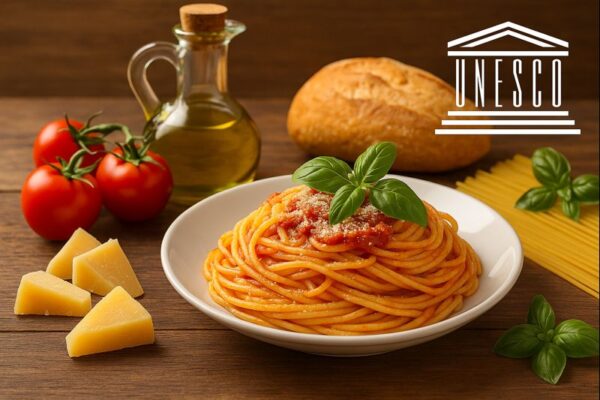
Italy has reached a historic milestone as its legendary cuisine is officially recognized as Intangible Cultural Heritage of Humanity by UNESCO. This landmark decision elevates Italian food from beloved global staple to protected cultural treasure, reinforcing its role as a powerful driver of tourism, identity, and economic growth. Far beyond pizza and pasta, Italian cuisine represents centuries of tradition, regional diversity, and communal values—now formally acknowledged on the world stage.
This recognition is expected to spark a new era in global food tourism, positioning Italy as the undisputed epicenter of culinary travel and cultural immersion.
What UNESCO Recognition Means for Italian Cuisine
UNESCO’s designation acknowledges Italian cuisine as a living cultural practice rather than a collection of recipes. It celebrates the rituals of preparing food, the passing down of knowledge within families, and the deep connection between local ingredients, landscapes, and communities.
From hand‑rolled pasta in Emilia‑Romagna to olive oil traditions in Tuscany and seafood‑based cooking along the southern coasts, Italian cuisine reflects regional identities shaped by history, geography, and climate. UNESCO recognition validates these traditions as culturally significant and worthy of preservation for future generations.
This honor places Italian cuisine alongside other globally respected food cultures, reinforcing its status as a cornerstone of world heritage and human creativity.
Italian Food as a Global Cultural Symbol
For decades, Italian food has been one of the most influential cuisines worldwide. UNESCO’s recognition now formalizes what millions already believe: Italian cooking is not just nourishment, but a cultural language that expresses family, hospitality, and craftsmanship.
Every dish tells a story—of farmers, fishermen, artisans, and home cooks who maintain traditions that date back centuries. This global endorsement strengthens Italy’s cultural identity while amplifying its influence on international dining, culinary education, and gastronomy.
Tourism Set for a Major Culinary Boom
The most immediate and transformative impact of UNESCO recognition will be seen in tourism. Culinary travel is one of the fastest‑growing segments of global tourism, and Italy already ranks among the top destinations for food‑focused travelers. With this new status, industry experts expect a significant rise in visitor numbers over the next few years.
Travelers are increasingly seeking authentic, experience‑driven journeys, and Italy’s food culture offers exactly that. Regions such as Tuscany, Sicily, Campania, Piedmont, and Emilia‑Romagna are expected to experience heightened demand as visitors look to taste traditional dishes in their place of origin.
Food will no longer be a secondary attraction—it will become the primary reason for travel.
Growth in Food Tours, Classes, and Experiences
One of the most notable outcomes of UNESCO recognition will be the expansion of immersive culinary experiences. Cooking classes, farm visits, vineyard tours, and market‑to‑table experiences are set to grow rapidly as tourists seek deeper engagement with Italian food culture.
Visitors want more than restaurant meals; they want to learn how pasta is shaped by hand, how cheese is aged, and how recipes are preserved through generations. This trend benefits local chefs, farmers, and artisans, creating sustainable tourism opportunities that keep traditions alive while generating income.
Rise of Regional Food Routes and Festivals
Italy’s regions are expected to respond with new food routes, themed trails, and expanded festivals celebrating local specialties. Truffle seasons, wine harvests, olive oil tastings, and cheese festivals will gain international attention, drawing travelers beyond major cities into rural and lesser‑known areas.
These experiences encourage longer stays and disperse tourism more evenly across the country, supporting smaller communities while reducing pressure on traditional hotspots.
Economic Benefits Across Agriculture and Hospitality
The economic impact of UNESCO recognition will extend far beyond tourism. Italian agriculture and food production—already central to the national economy—will benefit from increased global demand for authentic products.
Local farms, vineyards, dairies, and artisanal producers are likely to see rising interest and investment. This recognition also reinforces the value of quality, origin, and traditional methods, supporting sustainable farming and protecting regional food identities.
Hospitality sectors including hotels, restaurants, transport, and cultural attractions will also benefit as food‑motivated travelers spend more and stay longer.
Balancing Growth with Authenticity
While the benefits are substantial, Italy faces the challenge of managing success responsibly. Increased tourism can lead to overcrowding and commercialization if not carefully regulated. Preserving authenticity will require thoughtful planning, promotion of lesser‑known destinations, and support for local producers over mass‑market imitations.
Sustainable tourism strategies will be essential to ensure that Italian cuisine remains a living tradition rather than a staged experience. UNESCO recognition provides not only prestige but also responsibility—to protect the soul of Italian food culture.
The Future of Italian Cuisine and Travel
This recognition marks the beginning of a powerful new chapter for Italy. Culinary heritage will play an even greater role in shaping travel trends, economic policy, and cultural preservation. Whether travelers seek Michelin‑starred dining or simple family‑run trattorias, Italy’s food culture offers something deeply personal and universally appealing.
As global travelers increasingly value authenticity, tradition, and meaningful experiences, Italy stands uniquely positioned to lead the future of food tourism.
Conclusion
UNESCO’s recognition of Italian cuisine is more than an honor—it is a catalyst for transformation. It elevates food as a central pillar of Italy’s cultural identity and positions the country for unprecedented growth in culinary tourism.
From bustling markets to quiet countryside kitchens, Italian cuisine now holds official global recognition as a cultural treasure. For travelers and food lovers alike, this moment signals that there has never been a better time to explore Italy—where every meal tells a story, and every journey begins at the table.
For more travel news like this, keep reading Global Travel Wire