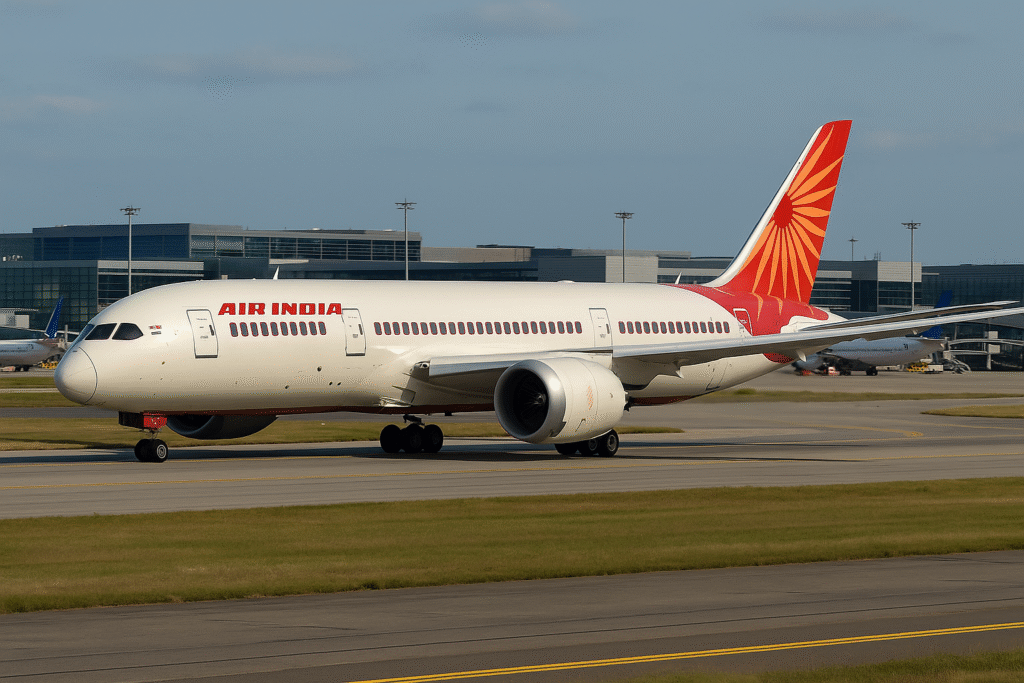
Air India has announced the operation of 275 additional flights this month. The move comes as IndiGo reduces its capacity by 10 percent following government directives. This timely decision aims to prevent disruptions during the peak travel season. It also ensures that passenger movement across India remains smooth and reliable.
The increase in flights strengthens domestic and international connectivity. It helps absorb demand that could have been affected by reduced capacity from the country’s largest carrier. For travelers, this means more seat availability and fewer cancellations during a busy period.
Peak Travel Season Demands Strong Airline Support
India is currently witnessing high travel demand. The season includes holidays, festivals, weddings, and major business events. Air India’s expanded schedule helps meet this surge. It ensures that passengers continue to have access to critical routes.
The airline has focused on major metro cities and key regional hubs. Routes connecting New Delhi, Mumbai, Bengaluru, Chennai, and Kolkata benefit the most. Popular leisure destinations also see improved access, which supports holiday travel.
Boost to Domestic Tourism and Regional Travel
The added flights play a vital role in domestic tourism growth. More flight options encourage travelers to explore different regions. Improved air access supports destinations known for heritage, culture, wellness, and nature tourism.
States that depend heavily on tourism benefit directly. Hotels, transport operators, guides, and local businesses see higher footfall. Increased travel also helps smaller airports remain active and financially viable.
This expanded connectivity supports the government’s broader goal of strengthening regional air networks. It aligns with efforts to make air travel more inclusive and accessible.
Strengthening International Tourism Links
Air India’s increased capacity also supports international travel. India continues to attract visitors from Europe, the Middle East, Southeast Asia, and beyond. Additional flights ensure smoother connections for inbound tourists.
Better frequency improves confidence among global travelers. It reduces congestion at major hubs and shortens waiting times. This is especially important as international arrivals continue to recover and grow.
Improved access to Indian cities enhances the country’s appeal as a destination for culture, business, medical tourism, and global events.
Economic Impact Across Aviation and Hospitality
The aviation sector acts as a strong economic multiplier. Every additional flight supports jobs across several industries. Airlines, airports, ground services, catering, and maintenance all benefit.
Tourism-linked sectors also gain momentum. Hotels, restaurants, travel agencies, and local attractions see higher demand. Increased passenger flow supports seasonal employment and small businesses.
Air India’s move helps stabilize fares during high demand. It also prevents overcrowding and service pressure on existing flights.
Strategic Capacity Management in a Growing Market
India is one of the fastest-growing aviation markets in the world. Managing capacity during peak periods is critical. Temporary reductions by one airline can impact the entire ecosystem.
Air India’s quick response reflects better coordination within the aviation sector. It shows how airlines can step in to maintain balance when needed. Such flexibility helps avoid travel chaos and protects passenger interests.
The move also highlights the importance of strong national carriers in times of adjustment. It ensures continuity and reliability in the air transport network.
Long-Term Outlook for Air India and Indian Aviation
Air India’s decision reflects a long-term growth strategy. The airline continues to rebuild its network and fleet. Increased frequency during high-demand periods improves brand trust and market presence.
As tourism demand rises, airlines must scale operations efficiently. Air India’s ability to add flights at short notice shows operational readiness. It positions the airline as a key player in India’s aviation revival.
Future growth will depend on sustained investment, fleet expansion, and network optimization. Enhanced connectivity will remain central to India’s tourism ambitions.
Better Access Fuels New Tourism Opportunities
Improved flight availability makes India easier to explore. Tourists can plan multi-city trips with greater ease. Business travelers benefit from flexible schedules and improved connections.
Domestic travelers also gain more freedom to travel frequently. This supports weekend tourism, short breaks, and emerging destinations.
Over time, expanded air access strengthens India’s image as a global tourism hub. It supports both leisure and business travel while driving inclusive growth.
A Strong Step for Tourism and Economic Stability
Air India’s operation of 275 additional flights is more than a short-term fix. It reinforces stability across aviation and tourism sectors. The move supports peak-season demand, protects passenger confidence, and boosts economic activity.
As travel demand continues to rise, such proactive measures will shape the future of Indian aviation. Air India’s role remains central in supporting tourism growth, regional connectivity, and national economic progress.
For more travel news like this, keep reading Global Travel Wire