The UK tourism economy is entering a powerful growth phase. Visitor numbers continue to rise across major cities. Industry forecasts expect inbound arrivals to reach 43.4 million by 2025.
Edinburgh has joined London, Manchester, Liverpool, Birmingham, and Belfast as a leading tourism hub. These cities now drive national tourism performance. Travelers from the USA, China, and Ireland fuel this expansion.
This shift signals a new era for UK tourism. Regional cities now share the spotlight with the capital.
London Maintains Global Tourism Leadership
London remains the most visited city in the UK. The capital attracts over 21 million international visitors annually. Strong demand from the United States continues to dominate arrivals.
Tourists visit iconic landmarks, museums, and theatre districts. Shopping and dining experiences also draw high spending visitors. London benefits from excellent global air connectivity and year round events.
Despite rising interest in regional cities, London continues to anchor the UK tourism economy.
Edinburgh Emerges as a Cultural Tourism Giant
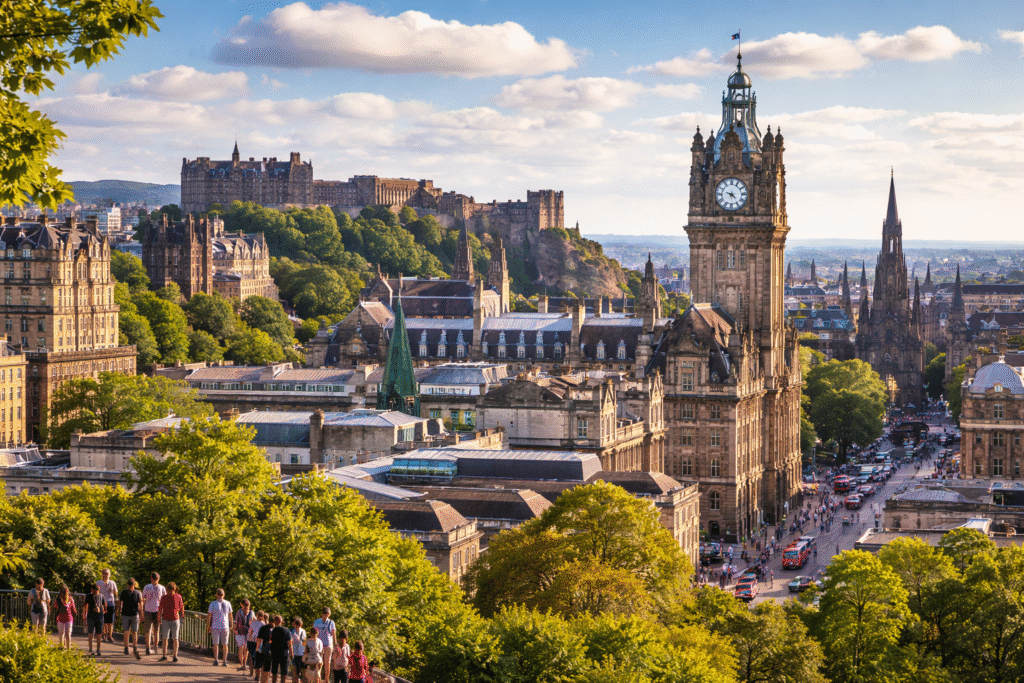
Edinburgh has secured its place among the UK’s top tourism cities. The city now welcomes around four million international visitors each year. Strong growth followed a record Festival Fringe season.
The festival attracts global audiences seeking arts, culture, and live performances. American travelers form the largest visitor group. High spending patterns support hotels, restaurants, and local businesses.
Historic attractions strengthen Edinburgh’s appeal. The Royal Mile, Edinburgh Castle, and Old Town remain major draws. Scenic landscapes add further value for international travelers.
Manchester Leads Regional City Expansion
Manchester continues to grow as a major tourism and business hub. The city attracts over one and a half million international visitors annually. Chinese travelers drive much of this growth.
Luxury retail, sports tourism, and cultural venues fuel demand. Old Trafford and Etihad Stadium attract football fans year round. Museums and music venues expand the city’s appeal.
Manchester Airport supports this growth with strong long haul connections. The city benefits from excellent rail links across the UK.
Liverpool Gains Momentum Through Culture and Music
Liverpool has recorded some of the fastest tourism growth rates. Visitor numbers now exceed eight hundred thousand annually. Travelers from Ireland and the USA lead arrivals.
Music tourism plays a key role. The Beatles legacy continues to attract fans worldwide. Waterfront regeneration has enhanced the city’s visitor experience.
Cruise tourism and improved flight connectivity also support growth. Liverpool now ranks as a strong cultural destination.
Birmingham Strengthens Business and Diaspora Travel
Birmingham continues to attract both leisure and business travelers. Annual visitor numbers exceed one million. Indian travelers form a key growth market.
The city benefits from conference venues, trade exhibitions, and shopping districts. The Bullring and cultural attractions attract international interest.
Strong rail connections place Birmingham within easy reach of London. This accessibility increases short stay tourism.
Belfast Gains Recognition Through Screen Tourism
Belfast has emerged as a rising tourism star. Visitor numbers now exceed one million annually. Screen tourism drives much of this interest.
Game of Thrones filming locations attract global fans. Titanic heritage sites continue to perform strongly. Visitors from the USA and Ireland dominate arrivals.
A growing food and hospitality scene strengthens the city’s appeal. Belfast also benefits from compact walkable attractions.
Aviation Recovery Accelerates Tourism Growth
The UK aviation sector has fully rebounded. Passenger arrivals reached nearly 136 million in the year ending September 2025. This recovery supports rising tourism demand.
Regional airports now play a larger role. Manchester and Edinburgh report record passenger volumes. Liverpool also shows strong growth in inbound flights.
Increased seat capacity supports long haul travel. Improved connectivity encourages visitors to explore beyond London.
Key Source Markets Drive Spending Growth
The USA remains the UK’s most valuable inbound market. American visitors spend heavily on accommodation, dining, and attractions. Spending levels continue to rise in 2025.
China has returned as a major growth driver. Improved flight availability supports recovery. Shopping and cultural travel attract Chinese visitors.
Ireland remains a consistent source market. Short haul travel supports frequent visits to regional cities. India also contributes strong growth, especially in Birmingham and London.
What Travelers Should Expect in 2025
Demand for accommodation continues to rise. Travelers should book hotels and flights early. Peak periods may sell out quickly.
Regional cities offer strong alternatives to London. Travelers can enjoy rich culture with fewer crowds. Event calendars can influence pricing and availability.
Early planning improves travel value and experience. Flexible itineraries help avoid congestion during peak events.
UK Tourism Outlook Remains Strong
The UK tourism economy shows sustained momentum. Edinburgh now stands alongside long established tourism leaders. Regional cities continue to diversify visitor experiences.
Strong aviation recovery supports international demand. High spending markets drive revenue growth. Cultural, business, and screen tourism shape the future landscape.
The UK enters 2025 with confidence and global appeal. Visitors can expect diverse experiences across cities that now share tourism leadership.
For more travel news like this, keep reading Global Travel Wire