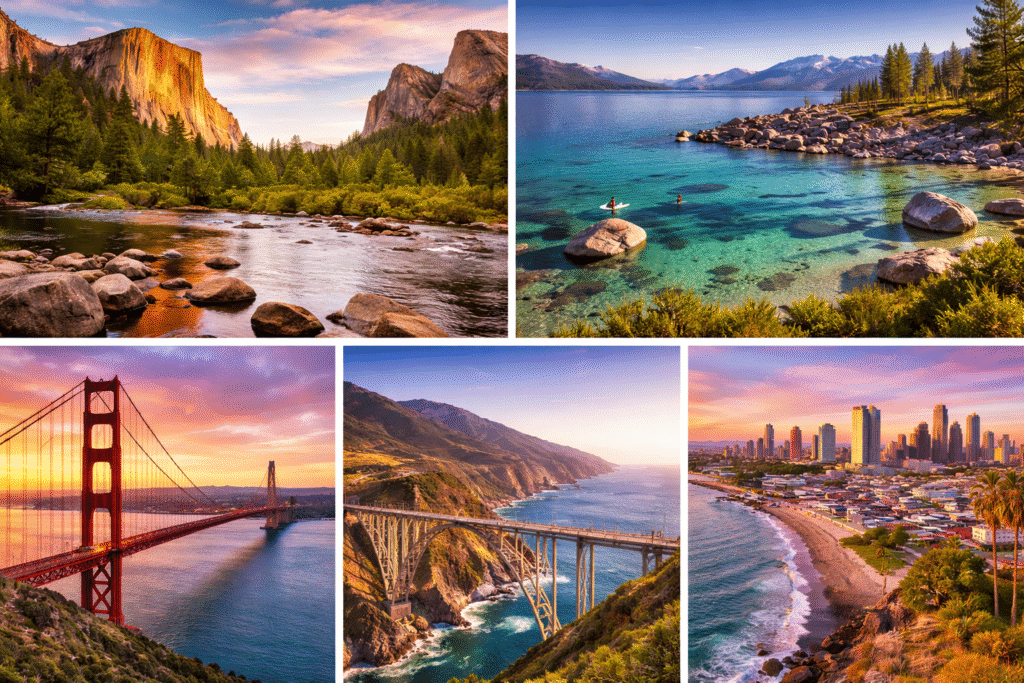
California is heading toward a landmark tourism year in 2026. Five destinations lead this momentum. Yosemite, Lake Tahoe, San Francisco, Big Sur, and San Diego continue to attract global travelers.
Together, these destinations reflect California’s unmatched range. Visitors enjoy national parks, coastal drives, walkable cities, and year-round outdoor activities. Strong national rankings and major global events continue to accelerate demand.
Tourism officials expect higher visitor numbers and increased travel spending. This growth strengthens California’s position as a top global travel destination.
National Recognition Fuels Growing Travel Demand
Recent national destination rankings placed five California locations among the country’s top vacation spots for 2026. These rankings assess traveler feedback and destination quality. Factors include dining, attractions, scenery, culture, and visitor satisfaction.
California stands out across multiple travel styles. Nature lovers, city explorers, and coastal travelers all find strong options. This broad appeal keeps California competitive year after year.
Yosemite National Park achieved the highest ranking among California destinations. This result reinforces its role as a cornerstone of American tourism.
Yosemite Anchors California’s Nature Tourism Appeal
Yosemite National Park continues to draw visitors from around the world. The park features dramatic granite cliffs, vast valleys, and iconic viewpoints. Landmarks such as Half Dome and Glacier Point remain major highlights.
Hiking trails lead through alpine meadows and waterfall corridors. Seasonal changes add variety throughout the year. Spring snowmelt powers waterfalls. Winter delivers serene landscapes and rare natural light displays.
Yosemite also benefits from strong conservation management. Visitor services balance access with preservation. This approach supports sustainable tourism growth.
Lake Tahoe Expands Four-Season Travel Demand
Lake Tahoe ranks among the top ten destinations nationwide for 2026. The lake’s clarity and mountain backdrop define its appeal. Visitors enjoy recreation in every season.
Winter brings skiing and snowboarding across multiple resorts. Summer invites boating, kayaking, hiking, and scenic drives. Fall delivers colorful forests and quieter trails.
The region spans the California and Nevada border. This location enhances its appeal as a flexible getaway. Tahoe continues to attract families, adventure seekers, and luxury travelers alike.
San Francisco Strengthens Urban Tourism Momentum
San Francisco remains one of the most walkable cities in the United States. Compact neighborhoods and strong public transit support easy exploration. Visitors often discover the city without a car.
Each neighborhood offers a distinct character. Historic districts, waterfront areas, and cultural hubs sit close together. Dining scenes reflect global influences and local creativity.
Urban parks and scenic viewpoints add balance to city life. San Francisco continues to attract travelers seeking culture, history, and vibrant street life.
Big Sur Delivers Iconic Coastal Experiences
Big Sur stands as one of California’s most visually striking regions. Rugged cliffs drop toward turquoise waters along the Pacific coast. The area offers a peaceful contrast to busy cities.
Scenic viewpoints line the coastal highway. Hiking trails wind through redwood forests and coastal bluffs. Travelers often visit Big Sur for photography, reflection, and outdoor exploration.
Limited development preserves the region’s natural character. This restraint enhances its appeal for travelers seeking raw beauty and solitude.
San Diego Appeals Through Climate and Diversity
San Diego completes California’s top-ranked lineup for 2026. The city benefits from a mild climate throughout the year. This consistency supports steady visitor demand.
Beaches, coastal reserves, and surf spots anchor outdoor recreation. Cultural districts and historic neighborhoods add depth. Large urban parks house museums, gardens, and family attractions.
San Diego appeals to a wide audience. Families, couples, and solo travelers all find suitable experiences. This versatility strengthens its tourism performance.
Visitor Growth and Spending Set New Records
California recorded more than 271 million visits in 2025. Forecasts predict continued growth in 2026. Travel demand remains strong across domestic and international markets.
Traveler spending is projected to reach record levels. Estimates suggest more than 165 billion dollars in visitor spending during 2026. This increase supports hospitality, transportation, and local businesses statewide.
Major global events also contribute to rising demand. International sports tournaments and entertainment showcases will take place across Northern and Southern California. These events attract global attention and extended stays.
Outdoor Travel Trends Shape Visitor Preferences
Nature-focused travel continues to grow across the United States. California benefits directly from this shift. National parks, coastal regions, and outdoor cities draw strong interest.
Travelers increasingly seek open spaces and active experiences. Hiking, scenic drives, beach activities, and urban walking tours rank high on itineraries. California offers all of these experiences in one state.
This diversity allows travelers to combine multiple destinations in a single trip. Many visitors pair Yosemite with San Francisco or Big Sur with San Diego.
California Reinforces Its Tourism Leadership
As 2026 approaches, California stands ready for a historic travel year. Yosemite, Lake Tahoe, San Francisco, Big Sur, and San Diego drive this momentum together.
These destinations showcase the state’s range and resilience. They attract travelers seeking nature, culture, relaxation, and adventure. Strong rankings and global events continue to amplify interest.
California remains a dominant force in U.S. tourism. With rising demand and record spending ahead, the state prepares to deliver one of its strongest travel years yet.
For more travel news like this, keep reading Global Travel Wire