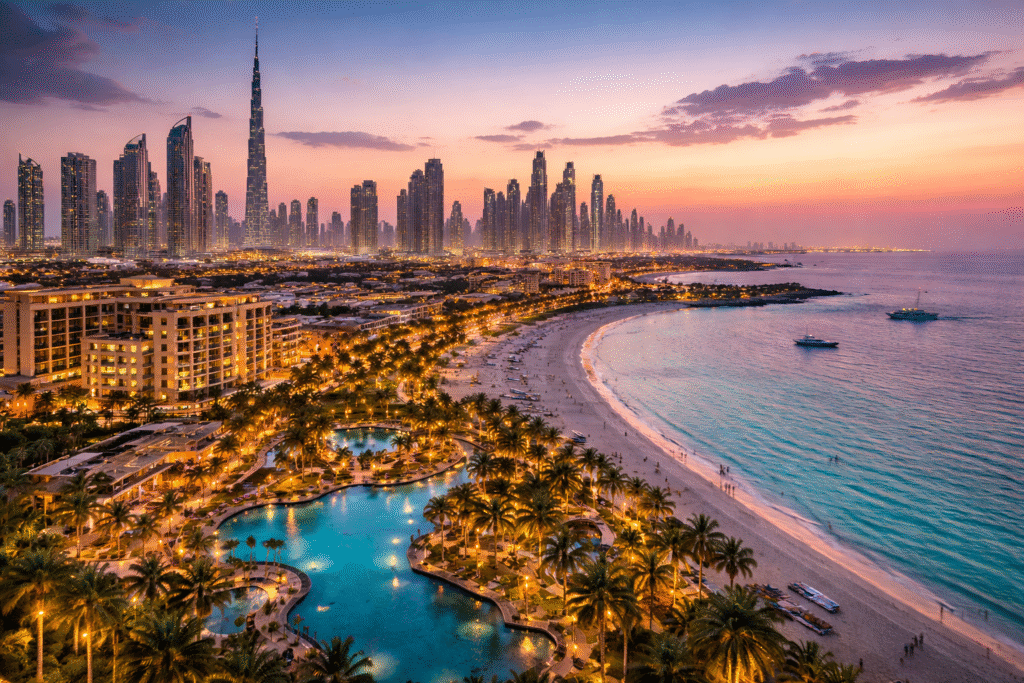
Dubai recorded an impressive 81 percent hotel occupancy rate in 2025. This achievement highlights the city’s strong tourism recovery. It also confirms Dubai’s global appeal. Visitors arrived in growing numbers from Asia, Europe, and Africa.
The hospitality sector benefited from strategic planning and long-term investment. Dubai focused on infrastructure, safety, and visitor experience. As a result, the city maintained momentum throughout the year.
Hotels across all categories reported strong demand. Luxury resorts, business hotels, and budget properties all performed well. This balanced supply helped Dubai attract diverse traveler segments.
Strategic Location Fuels International Travel
Dubai’s geographic position continues to drive tourism growth. The city connects East and West efficiently. Long-haul and short-haul travelers choose Dubai as a stopover or final destination.
Air connectivity plays a major role in hotel performance. Frequent flights link Dubai with major cities across continents. This accessibility supports steady hotel bookings year-round.
The city also benefits from modern airports and seamless transit systems. Travelers experience minimal friction during arrival and departure. This convenience strengthens repeat visitation.
Major Events Drive Consistent Hotel Demand
Large-scale events significantly boosted hotel occupancy in 2025. International exhibitions, sports competitions, and cultural festivals attracted millions of visitors.
Global business events filled hotels during traditionally slower periods. Leisure-focused festivals increased stays during peak seasons. This event calendar reduced seasonal fluctuations.
Retail-driven events also played a role. Shopping festivals encouraged extended stays and repeat visits. Visitors combined leisure, retail, and entertainment in one trip.
Strong Demand from Asia, Europe, and Africa
Dubai welcomed rising visitor numbers from Asia. Travelers from India, China, and Southeast Asia contributed significantly. Family travel and business trips supported hotel demand.
European markets also showed strong recovery. Visitors from the United Kingdom, Germany, France, and Eastern Europe returned in large numbers. Winter travel demand remained especially strong.
African tourism increased as well. Improved air links and business ties boosted arrivals. Dubai’s position as a commercial hub attracted both corporate and leisure travelers.
This diversified demand protected the market from regional volatility. Hotels benefited from consistent international flows.
Luxury Tourism Continues to Lead Growth
Dubai remains a global leader in luxury travel. Iconic beachfront resorts and urban five-star hotels attracted high-spending guests. Personalized services and exclusive experiences drove premium bookings.
Luxury travelers often extended stays. They also spent more on dining, wellness, and shopping. This behavior strengthened hotel revenue and occupancy stability.
New luxury developments also added fresh appeal. Innovative architecture and branded residences attracted global attention. These projects reinforced Dubai’s image as a luxury destination.
Affordable and Mid-Range Hotels Expand Reach
Dubai’s success did not rely only on luxury tourism. Mid-range and budget hotels recorded strong occupancy levels. Affordable options attracted families, solo travelers, and long-stay guests.
Business travelers also favored mid-range properties. Proximity to transport hubs and business districts increased demand. Flexible pricing appealed to value-conscious visitors.
This accommodation diversity allowed Dubai to welcome all traveler types. It also supported longer average stays.
Safety, Cleanliness, and Trust Build Confidence
Dubai invested heavily in safety and cleanliness standards. Clear regulations and consistent enforcement reassured travelers.
Hotels maintained high hygiene protocols throughout the year. Staff training focused on guest comfort and confidence.
These efforts strengthened Dubai’s reputation as a safe destination. Trust played a crucial role in travel decisions during global uncertainty.
Cultural and Experiential Tourism Gains Momentum
Beyond skyscrapers, Dubai promoted cultural exploration. Historic districts, heritage sites, and traditional markets attracted curious travelers.
Visitors explored museums, waterfront areas, and desert landscapes. Cultural dining and local experiences enriched travel itineraries.
This shift encouraged deeper engagement with the destination. Travelers stayed longer and explored beyond typical tourist zones.
Infrastructure Investment Supports Long-Term Growth
Dubai’s infrastructure investments continued to pay off. Efficient public transport improved city mobility. Road networks supported easy access to attractions and hotels.
Smart city initiatives enhanced visitor services. Digital tools improved booking, navigation, and information access.
These developments improved overall guest satisfaction. Positive experiences increased repeat visits and recommendations.
What Travelers Should Expect Going Forward
Dubai’s strong hotel performance signals continued growth. Demand remains high across seasons. Travelers should plan trips early to secure preferred hotels.
Peak periods may see limited availability. Major events will continue to influence pricing and occupancy.
Visitors can expect consistent service quality and diverse experiences. Dubai continues to refine its tourism offering.
A Blueprint for Global Tourism Success
Dubai’s 81 percent hotel occupancy rate reflects careful strategy and execution. The city balanced luxury, accessibility, and safety.
Diversified markets, strong events, and infrastructure investment drove results. Dubai now serves as a model for urban tourism recovery.
As global travel evolves, Dubai remains well positioned. Its hospitality sector continues to adapt, innovate, and thrive.
For more travel news like this, keep reading Global Travel Wire