Overnight flight delays continue to challenge the United States travel industry. A recent American Airlines disruption highlights how airline care policies often meet rules but miss traveler expectations. The incident has reignited debate about hotel standards, passenger comfort, and accountability during extended delays.
Flight disruptions are not new. Weather events, crew limits, and technical issues regularly affect schedules. What stands out is how airlines manage travelers once delays stretch overnight. The experience shows a growing gap between policy compliance and real-world comfort.
Overnight Delay Leaves Travelers Stranded
The disruption involved a domestic American Airlines flight delayed for nearly 12 hours. Passengers were rebooked on flights departing the next morning. As required under standard airline practice, overnight accommodation was arranged.
For many travelers, overnight delays cause more than inconvenience. They disrupt plans, increase stress, and raise safety concerns. Airlines often present hotel placement as reassurance. However, the quality of that accommodation can define the entire experience.
Hotel Quality Raises Health and Safety Concerns
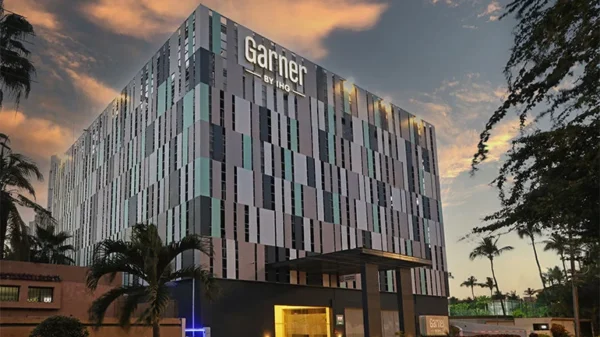
The airline-provided hotel was a budget property near the airport, priced at around $84 per night. While affordable and close, the hotel failed to meet basic expectations for cleanliness and maintenance.
Guests reported serious issues. These included signs of bed bugs, mold, water damage, and lingering smoke odors. Such conditions defeated the purpose of overnight rest. Instead of recovery, passengers faced discomfort and worry.
Travelers later noted that online reviews described similar issues over a long period. This suggests a pattern rather than a one-time lapse. For passengers already stressed from delays, poor accommodation adds another layer of frustration.
Why Airlines Choose Budget Hotels
US airlines follow internal policies when handling overnight delays. These policies usually cover the cost of a hotel room when the delay is within airline control. They rarely guarantee hotel quality, star rating, or amenities.
During large disruptions, airlines prioritize speed and availability. Hundreds of passengers may need rooms at the same time. Budget hotels near airports often have the capacity to absorb sudden demand. Discount contracts help airlines control costs during irregular operations.
This system favors logistics over experience. Airlines rarely inspect hotel conditions in real time. Once rooms are assigned, passengers bear the consequences of poor standards.
Impact on Passenger Trust and Brand Image
Disruption experiences shape how travelers view airlines. Passengers often remember delays more than smooth journeys. When airline-provided hotels feel unsafe or unhygienic, trust erodes quickly.
For leisure travelers, comfort plays a major role in airline choice. Repeated stories of poor delay care can influence future bookings. Business travelers may also reconsider loyalty when rest and recovery are compromised.
International visitors face an added impact. Many associate airline treatment with overall US hospitality standards. Negative experiences during delays can affect perceptions of the destination itself.
Structural Gaps in Delay Management
The incident reveals a deeper issue within US aviation. Airlines may meet formal obligations while failing to meet passenger expectations. Policies focus on providing something, not ensuring quality.
Frontline staff often work under pressure during disruptions. Rebooking flights, managing crews, and handling complaints take priority. Hotel assignments become a box-ticking exercise.
From a tourism perspective, this approach overlooks traveler well-being. Rest, safety, and hygiene are not extras. They are core needs during extended delays.
Smarter Options for Passengers During Delays
Experienced travelers increasingly rely on self-managed solutions during overnight disruptions. While airline hotels offer convenience, independent choices often deliver better outcomes.
Many travel credit cards include trip delay coverage. These benefits can reimburse hotel stays, meals, and transport. Passengers can choose hotels they trust, provided they keep receipts.
Nearby hotels may also offer distressed passenger rates. These discounts are available to travelers affected by flight disruptions. Loyalty program points can be another reliable option near major hubs.
Comparing Passenger Alternatives
| Option | Recommended Action | Key Benefit |
|---|---|---|
| Credit card coverage | Book your own hotel and save receipts | Better comfort and faster check-in |
| Distressed passenger rates | Ask nearby hotels for delay discounts | Lower cost with higher standards |
| Hotel loyalty points | Redeem points at trusted brands | Consistent quality and peace of mind |
These strategies give travelers more control during stressful situations.
What This Means for US Aviation and Tourism
As travel demand grows, overnight delays may become more frequent. Airport-area hotels will face increasing pressure. Airlines may need to rethink hotel partnerships and introduce minimum quality benchmarks.
Better transparency could also help. Clear communication about hotel options and reimbursement alternatives can reduce frustration. Collaboration between airlines, hotels, and local tourism bodies may improve outcomes during disruptions.
The Bottom Line for Travelers
US airlines may provide hotels during overnight delays, but quality varies widely. Budget placements can undermine rest, health, and trust. For many travelers, arranging independent accommodation offers better comfort and control.
While reimbursement requires extra effort, the payoff is often worth it. In today’s travel environment, informed and proactive decisions remain the strongest tools for managing disruption.
For more travel news like this, keep reading Global Travel Wire