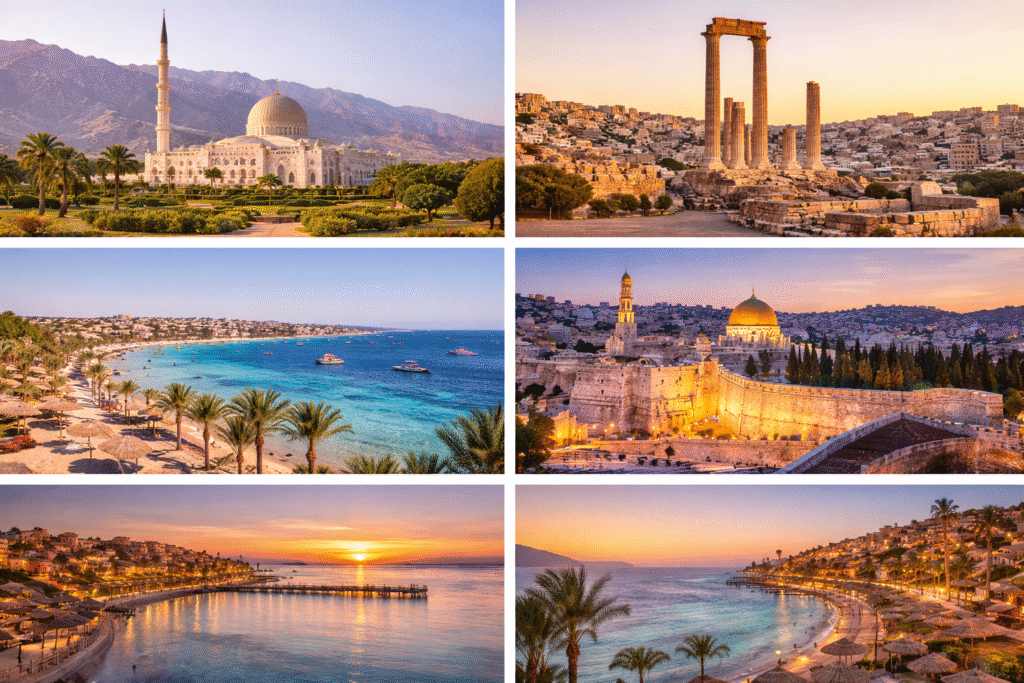
As global travel trends continue to evolve, 2026 is shaping up to be the year of slow travel in the Middle East. Travelers are increasingly prioritizing meaningful experiences over rushed itineraries, seeking destinations that allow time for reflection, cultural immersion, and genuine local connections. In response, cities across the region are emerging as ideal havens for this mindful approach to tourism. Among them, Muscat has joined the ranks of Amman, Jerusalem, Sharm El Sheikh, and Hurghada as one of the ultimate slow travel destinations for the year ahead.
Slow travel is about quality over quantity. Instead of ticking off attractions, visitors stay longer, move less, and engage more deeply with the environment, history, and people. The Middle East, with its layered civilizations, spiritual landscapes, and diverse natural settings, is perfectly suited to this travel philosophy.
Muscat, Oman: Calm, Culture, and Coastal Beauty
Muscat stands out as a leading slow travel destination thanks to its unhurried pace, preserved traditions, and breathtaking natural surroundings. Unlike many rapidly modernized capitals, Muscat has retained its architectural harmony, cultural authenticity, and strong sense of identity. Whitewashed buildings, historic forts, and scenic coastlines create an atmosphere that feels calm and grounded.
Travelers can spend unstructured days wandering through traditional markets, enjoying conversations with local vendors, and sampling Omani cuisine prepared with age-old recipes. The city’s corniche invites long, leisurely walks, while nearby wadis and beaches offer peaceful escapes into nature. Cultural landmarks such as grand mosques and heritage villages encourage quiet contemplation rather than hurried sightseeing, making Muscat a natural choice for slow tourism in 2026.
Amman, Jordan: History Lived at an Easy Pace
Amman offers a rare blend of ancient heritage and modern daily life, making it ideal for travelers who want depth without pressure. Built across rolling hills, the city reveals itself gradually. Roman ruins sit beside bustling cafés, and traditional neighborhoods coexist with contemporary art spaces.
Slow travelers in Amman can explore archaeological sites at their own rhythm, pause for long meals featuring local dishes, and engage with residents known for their warmth and hospitality. Neighborhoods like Jabal Amman and Jabal al-Luweibdeh reward those who linger, offering quiet streets, historic homes, and creative spaces that reflect the city’s evolving identity.
Sharm El Sheikh, Egypt: Red Sea Tranquility
For those drawn to nature-led slow travel, Sharm El Sheikh provides a serene coastal experience. Located between desert landscapes and the Red Sea, the destination offers a calming contrast to Egypt’s urban centers. Life here revolves around the sea, sunshine, and open space.
Visitors can dedicate entire days to snorkeling vibrant coral reefs, enjoying gentle boat excursions, or simply relaxing by the water. Evenings are often quiet and reflective, with desert sunsets and starlit skies setting the tone. The slower rhythm allows travelers to reconnect with nature while learning about local Bedouin culture and traditions.
Jerusalem: Spiritual Slow Travel at Its Deepest
Jerusalem is perhaps one of the world’s most profound destinations for slow travel. With thousands of years of religious, cultural, and historical significance, the city demands time and patience. Rushing through Jerusalem risks missing its essence.
Slow travelers can explore its ancient quarters gradually, absorbing the atmosphere of sacred spaces and historic streets. Markets, gardens, and neighborhoods encourage mindful exploration, while viewpoints and walking paths offer moments of quiet reflection. Jerusalem’s appeal lies not in speed but in stillness, making it especially meaningful for travelers seeking spiritual and cultural depth.
Hurghada, Egypt: Simple Pleasures by the Sea
Hurghada completes the slow travel circle with its relaxed seaside lifestyle. Known for its calm waters and warm climate, the city is ideal for travelers who want rest without isolation. Days unfold gently, with time spent swimming, snorkeling, or enjoying unhurried meals by the sea.
Beyond the beaches, Hurghada offers opportunities to explore local neighborhoods and nearby desert landscapes at an easy pace. The absence of urgency allows visitors to focus on wellness, nature, and simple pleasures, which are central to the slow travel philosophy.
Why the Middle East Is Embracing Slow Travel
The growing appeal of slow travel in the Middle East reflects a broader shift toward sustainability, cultural preservation, and community-based tourism. Governments across the region are increasingly promoting longer stays, heritage tourism, and responsible travel practices that benefit local economies while protecting natural and historical assets.
For travelers in 2026, destinations like Muscat, Amman, Jerusalem, Sharm El Sheikh, and Hurghada offer more than holidays. They provide space to slow down, reconnect, and experience places not as spectators, but as temporary residents.
Looking Ahead to 2026
As travel becomes more intentional, slow tourism is no longer a niche trend but a defining movement. The Middle East’s ability to combine ancient history, spiritual significance, and tranquil environments positions it perfectly for this shift. With Muscat now firmly on the slow travel map, the region is set to attract travelers who value presence over pace and meaning over movement.
For those planning their journeys in 2026, these destinations promise not just memories, but moments worth savoring.
For more travel news like this, keep reading Global Travel Wire