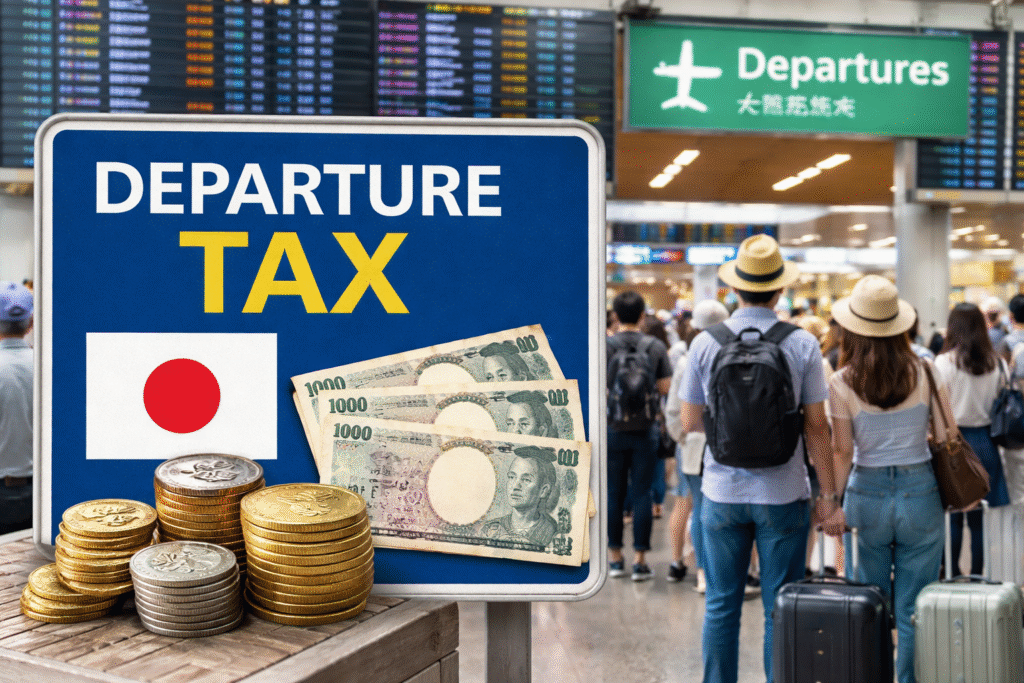
Japan is preparing for a major shift in its tourism policy. From July 2026, all international travelers leaving the country will pay a much higher departure tax. The government plans to triple the current fee as part of a broader fiscal strategy.
The departure tax, officially called the International Tourist Tax, will rise from 1,000 yen to 3,000 yen per person. The charge will apply to every outbound traveler, regardless of nationality. This includes short-term tourists, business travelers, and repeat visitors.
The announcement has already sparked strong reactions across the travel industry.
Why Japan Is Raising the Departure Tax
Japan faces growing pressure to strengthen public finances. National debt levels remain high. Social spending continues to rise due to an aging population. At the same time, the workforce is shrinking.
Instead of raising income or corporate taxes, the government has turned to tourism-related revenue. Overseas visitors have returned in large numbers after border restrictions ended. Tourism now offers a stable source of income.
The higher departure tax will support the national budget for the 2026 fiscal year. Officials expect the revenue to nearly triple once the new rate takes effect.
How Much Revenue the New Tax Could Generate
With the current tax rate, Japan already collects significant tourism revenue. The new rate is expected to boost annual collections to around 130 billion yen.
That figure reflects strong inbound demand and steady outbound traffic. The government plans to use this revenue to fund tourism infrastructure, regional development, and public services.
Airports, transport systems, and visitor facilities remain key areas of spending. The tax also helps spread tourism benefits beyond major cities.
What the Departure Tax Means for Travelers
For individual travelers, the increase may seem modest. A 3,000-yen fee adds a small amount to total trip costs. However, frequent flyers and families may feel the difference more clearly.
Airlines usually include the tax in ticket prices. Travelers may not see a separate charge, but fares could rise slightly. Budget-conscious tourists may compare destinations more carefully.
Despite this, Japan remains a high-value destination. Its safety, transport efficiency, and cultural appeal continue to attract global travelers.
Impact on Airlines and the Travel Industry
Airlines and tour operators will need to adapt. Higher departure costs may affect pricing strategies. Some companies may introduce bundled deals or promotional offers to offset the increase.
Travel agencies may also focus more on premium experiences. Value-added packages could help justify higher overall costs.
The industry expects limited long-term damage. Demand for Japan remains strong across Asia, Europe, and North America.
Japan’s Tourism Boom and Fiscal Reality
Japan’s tourism sector has grown rapidly over the past decade. International arrivals reached record levels before global travel disruptions. Recovery since then has been swift.
This success brings challenges. Overcrowding, environmental stress, and rising infrastructure costs now demand careful management.
The departure tax increase reflects a shift toward sustainable tourism funding. Visitors contribute directly to the systems they use. The approach aligns with similar policies in other global destinations.
Could Tourists Choose Other Asian Destinations?
Higher travel costs may push some tourists to explore alternatives. Nearby destinations such as South Korea, Taiwan, and Southeast Asian countries offer competitive prices and rich cultural experiences.
These destinations may benefit in the short term. However, Japan’s unique appeal remains difficult to replace. Seasonal festivals, culinary tourism, and heritage sites continue to draw repeat visitors.
Most analysts expect Japan to stay competitive despite the tax hike.
What This Signals About Future Tourism Policy
The departure tax increase may not be the last adjustment. Japan continues to review how tourism impacts local communities and national finances.
Future policies may focus on quality over quantity. Regional travel promotion, off-season tourism, and responsible travel practices are likely priorities.
The government aims to balance economic gains with cultural preservation and environmental care.
What Travelers Should Do Before 2026
Travelers planning trips after July 2026 should factor the higher tax into their budgets. Booking early and comparing fares will help manage costs.
Those visiting before the change will still pay the lower rate. This may encourage short-term demand ahead of the increase.
Clear communication from airlines and travel platforms will be essential.
Conclusion: A Small Fee with Big Implications
Japan’s decision to triple its departure tax marks a significant moment in its tourism strategy. The move supports fiscal stability while keeping core taxes unchanged for residents.
For travelers, the impact remains manageable. Japan’s world-class experiences continue to justify the cost.
As global tourism evolves, Japan’s approach may influence other countries facing similar challenges. The message is clear. Sustainable tourism now comes with a shared financial responsibility.
For more travel news like this, keep reading Global Travel Wire