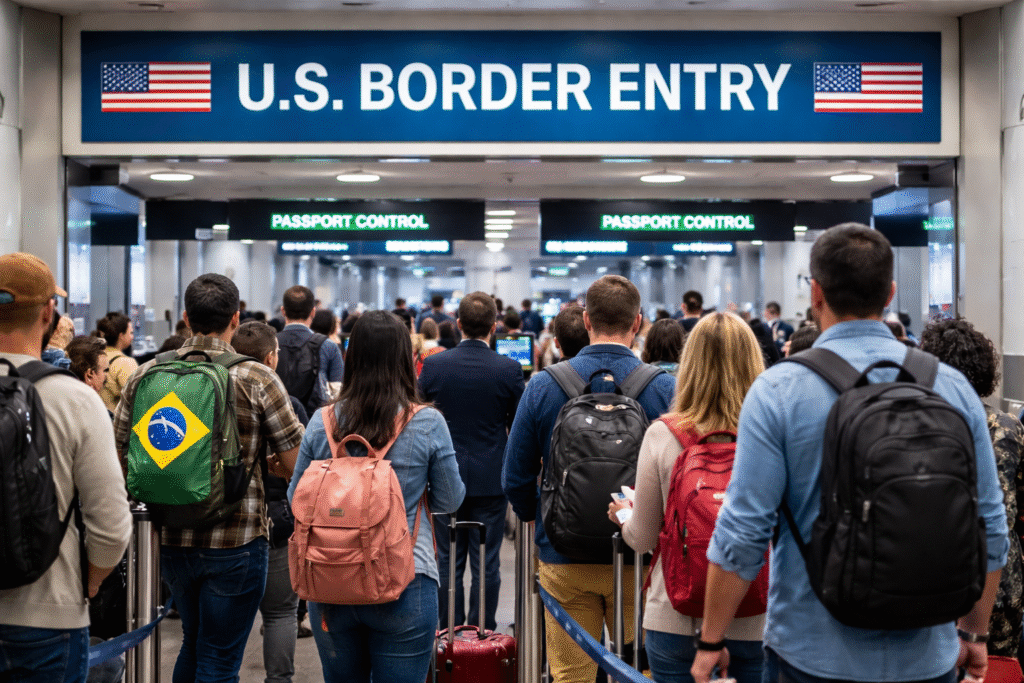
Travel to the United States is changing in a major way in 2025. Canada, along with Mexico, Brazil, Jamaica, Colombia, the Bahamas, Argentina, and several Caribbean and Latin American nations, now faces a tougher set of US entry rules. The shift follows the rollout of stricter security measures designed to reinforce traveler identification and improve border efficiency.
The US government is expanding biometric screening across every airport, land crossing, and seaport. This is part of an effort to track movement more accurately and reduce security vulnerabilities. For millions of travelers, the result is longer queues, more questions, and a more complex travel experience.
What’s Driving the New Visa and Border Changes?
The United States has been moving toward full biometric integration for years. By 2025, the system is finally becoming mandatory at all entry and exit points. Travelers from Canada and across the Americas will now undergo facial scans, digital fingerprinting, and, in some locations, iris scans.
The change aims to reduce identity fraud, strengthen border controls, and better monitor overstays. Authorities want real-time confirmation of who enters and leaves the country. As a result, travelers should expect more structured and data-heavy checks at every crossing.
All Travelers Included — Even Permanent Residents
Previously, some age groups and visa categories were exempt from biometric checks. Those exemptions are now gone. The new rules apply to nearly all foreign nationals, including:
- Tourists
- Business visitors
- Students
- Green Card holders
- Children and seniors
US citizens remain the only group allowed to opt out of facial recognition. Everyone else must follow the biometric process without exception.
Longer Wait Times and More Documentation
Travelers from Canada, Mexico, Brazil, Argentina, Jamaica, and others should now plan for longer inspection periods. Border officers will compare biometric data with digital records, requiring more time per traveler.
Longer waits may also occur when officers examine travel histories more closely. Even regular cross-border travelers may face additional questions about their purpose of travel, length of stay, and previous trips.
Green Card Holders Under New Scrutiny
US permanent residents from affected countries will experience increased monitoring. While their residency rights remain the same, their international travel will now be reviewed more carefully. Officers can ask about:
- Employment and residence details
- Length of time spent outside the US
- Travel patterns connected to countries with security concerns
Those traveling frequently, or with extended absences, may face secondary inspection more often than before.
Visa Applicants See Slower Processing
The strengthened system affects visa applicants as well. Application times across Latin America and the Caribbean were already long due to high demand. The new screening requirements will extend these waits further. Some categories may experience:
- More detailed background checks
- Additional interview requests
- Delays for security-related reviews
This affects both first-time applicants and travelers renewing long-term visas.
Countries Seeing the Biggest Impact
The updated rules apply to many nations, but travelers from the following countries are seeing the most noticeable changes due to higher travel volumes or regional security monitoring:
- Canada
- Mexico
- Brazil
- Argentina
- Colombia
- Jamaica
- Bahamas
- Other Caribbean and Central American nations
These countries have large numbers of regular US visitors. As a result, the shift is already affecting tourism patterns, business travel, and airport operations.
How Biometric Screening Works at the Border
The biometric process is now streamlined into three main steps:
1. Facial Recognition
A quick image is captured and matched with passport data. This step replaces most manual visual checks.
2. Digital Fingerprints
Travelers place their fingers on a scanner. These prints are checked against national and international databases.
3. Iris Scans
Used at select ports of entry, iris scans further confirm identity when facial images or fingerprints aren’t enough.
These tools give the US real-time accuracy in tracking entries and exits. They also help detect identity misuse, overstays, and document fraud.
What Travelers Should Do Now
To avoid delays and complications, travelers should prepare in advance:
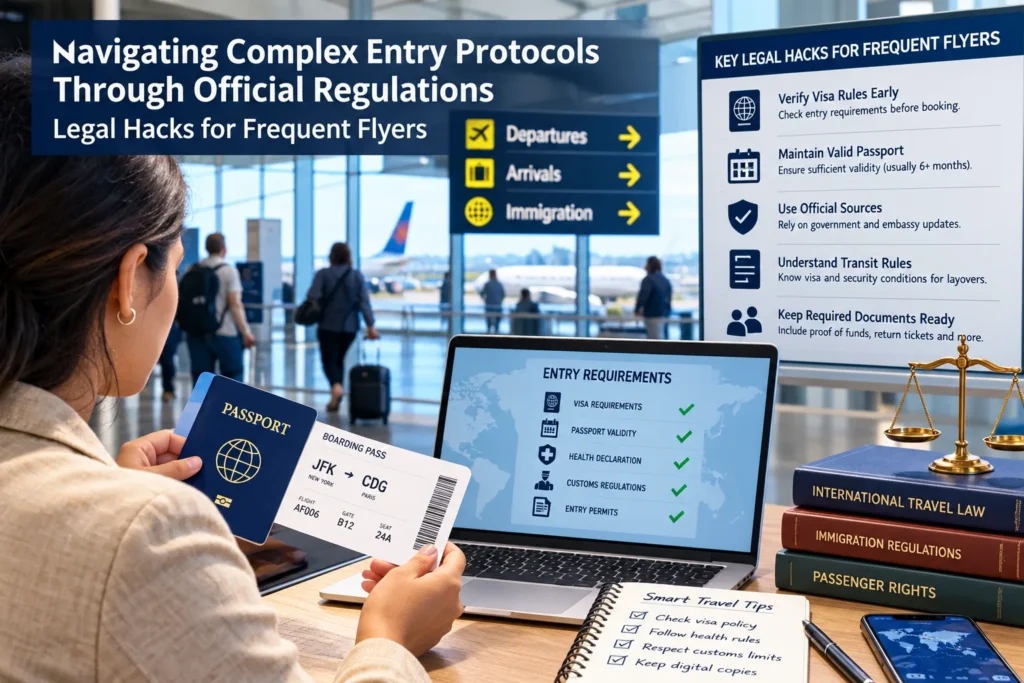
- Keep all travel documents valid and updated
- Carry supporting details for the purpose of travel
- Arrive early for border crossings and international flights
- Review the latest US entry requirements before traveling
- Monitor visa or residency applications for processing updates
Green Card holders should keep proof of residence and employment easily accessible when traveling.
A New Travel Reality for 2025
The tougher US visa and border rules mark one of the most significant travel policy shifts in recent years. While the goal is stronger national security, the process will reshape travel planning for millions of people.
Countries across the Americas, including Canada, now must navigate a more demanding system. As biometric checks become the global standard, travelers should expect a continued shift toward technology-driven borders and stricter document reviews.
Understanding the changes and planning ahead will help ensure smoother, stress-free travel in this new era of US immigration procedures.
For more travel news like this, keep reading Global Travel Wire