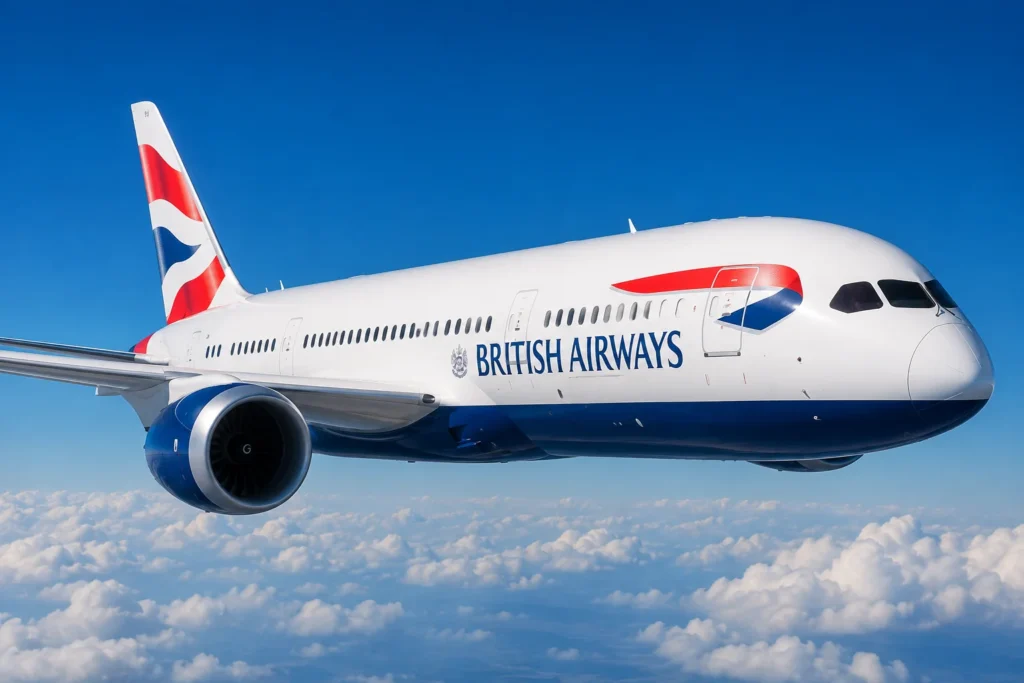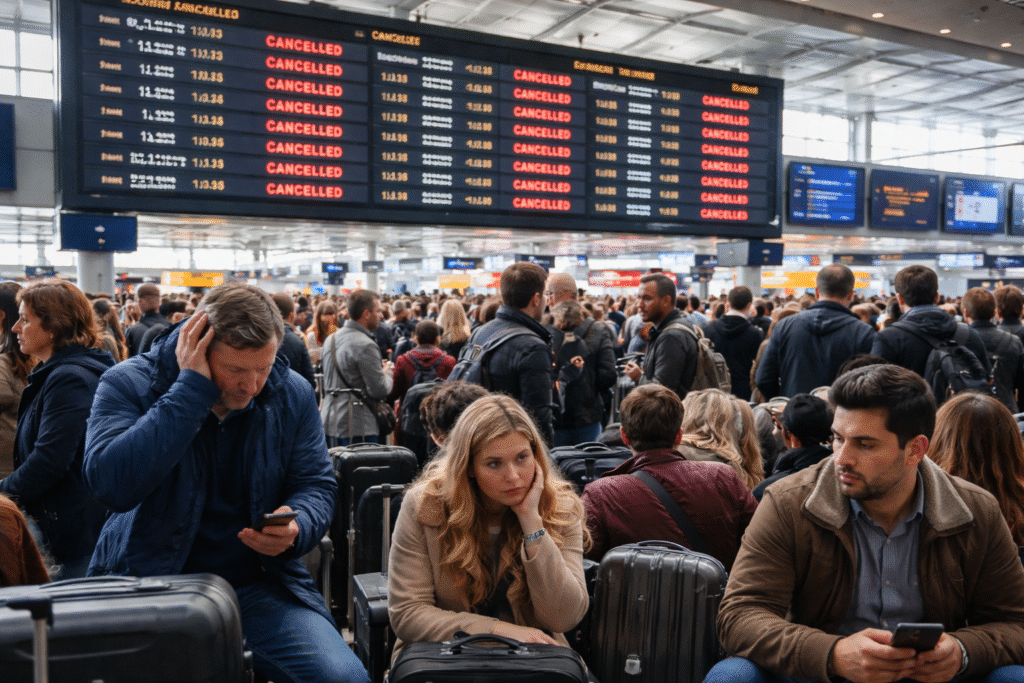
European air travel faced renewed turbulence in early January 2026 as British Airways and Pegasus Airlines cancelled multiple flights and triggered more than 230 delays. The disruption spread across major hubs including London, Istanbul, Amsterdam, and Rome. Thousands of passengers faced missed connections, long airport queues, and sudden itinerary changes.
The situation unfolded during one of the busiest winter travel periods. Business travelers and holidaymakers alike felt the impact as schedules collapsed across key European and regional routes.
Major Airports Hit by Cancellations and Delays
Some of Europe’s most important aviation hubs experienced severe operational pressure.
London Heathrow struggled with cancelled departures and arrivals, especially on short-haul European routes. Amsterdam Schiphol saw repeated schedule changes, affecting both inbound and outbound traffic. Istanbul Sabiha Gokcen emerged as one of the most affected airports due to Pegasus Airlines disruptions. Rome Fiumicino also recorded several cancellations linked to British Airways services.
The ripple effect extended beyond Europe. Passengers connecting to the Middle East and Asia faced extended delays and forced overnight stays.
Pegasus Airlines Disruptions Center on Istanbul Routes
Pegasus Airlines experienced the highest number of cancellations. Most disruptions focused on flights operating between Istanbul Sabiha Gokcen and European destinations.
Routes connecting Istanbul with Amsterdam faced repeated cancellations over several days. Domestic services within Turkey, including Diyarbakir, also suffered sudden suspensions. Regional international flights, such as services to Batumi, added to passenger frustration.
Most cancelled flights used narrow-body aircraft, primarily Airbus A321 and A320 models. Evening and late-night departures faced the highest risk of cancellation, leaving passengers stranded overnight.
Passenger Impact Across Pegasus Network
The Pegasus cancellations created significant congestion inside terminals. Many travelers had limited rebooking options due to high seasonal demand. Some passengers reported waiting over 24 hours for alternative flights.
Families and transit passengers faced the most challenges. Missed connections resulted in lost hotel bookings and delayed onward travel. Airline staff worked under pressure to manage queues, reissue tickets, and arrange accommodation where available.
British Airways Faces Short-Haul Network Disruption
British Airways also cancelled several key flights, mainly on high-frequency European routes.
Flights between London Heathrow and Amsterdam Schiphol experienced repeated cancellations. Services connecting London with Rome also faced disruptions. These routes carry heavy business traffic, increasing the overall impact of the cancellations.
Most affected flights operated with Airbus A320 and A320neo aircraft. Early morning and late evening services faced the highest cancellation risk.
Why These Routes Matter Most
London, Amsterdam, and Istanbul form critical aviation corridors within Europe and beyond. These hubs support long-haul connections, cargo operations, and regional business travel.
Any disruption on these routes quickly spreads across airline networks. Missed arrival slots and aircraft rotations often trigger secondary delays on unrelated routes.
The January disruptions highlighted how tightly interconnected European air traffic remains, especially during peak travel periods.
Possible Causes Behind the Disruptions
Airlines did not release a single confirmed cause for the cancellations. Several contributing factors likely played a role.
Winter weather conditions impacted flight operations across Northern Europe. Air traffic control restrictions reduced airport capacity at key hubs. Operational challenges, including crew availability and aircraft positioning, added further strain.
Seasonal demand increased pressure on airline schedules, leaving little room for recovery once delays began.
What Passengers Can Expect Next
Airlines continued rebooking affected passengers over the following days. Many travelers received alternative flights, though often at less convenient times.
Refund requests increased sharply as some passengers opted to cancel trips entirely. Customer service teams faced heavy demand across call centers and airport desks.
Travel insurance claims also rose, particularly for missed connections and accommodation costs.
Advice for Travelers Flying Through Europe
Passengers traveling through major European hubs should remain cautious during winter schedules.
Checking flight status frequently remains essential. Allowing extra connection time can reduce the risk of missed onward flights. Flexible tickets offer greater protection during periods of instability.
Travelers should also keep receipts for unexpected expenses, as these may support refund or compensation claims later.
Ongoing Challenges for European Airlines
The January 2026 disruptions underline ongoing challenges facing European aviation. High demand, tight staffing levels, and weather-related risks continue to test airline resilience.
While airlines aim to stabilize operations, passengers may still experience delays during peak periods. Industry experts expect continued pressure until schedules fully normalize.
For now, travelers across Europe remain advised to plan carefully and stay informed as airlines work to restore confidence and reliability across their networks.
For more travel news like this, keep reading Global Travel Wire