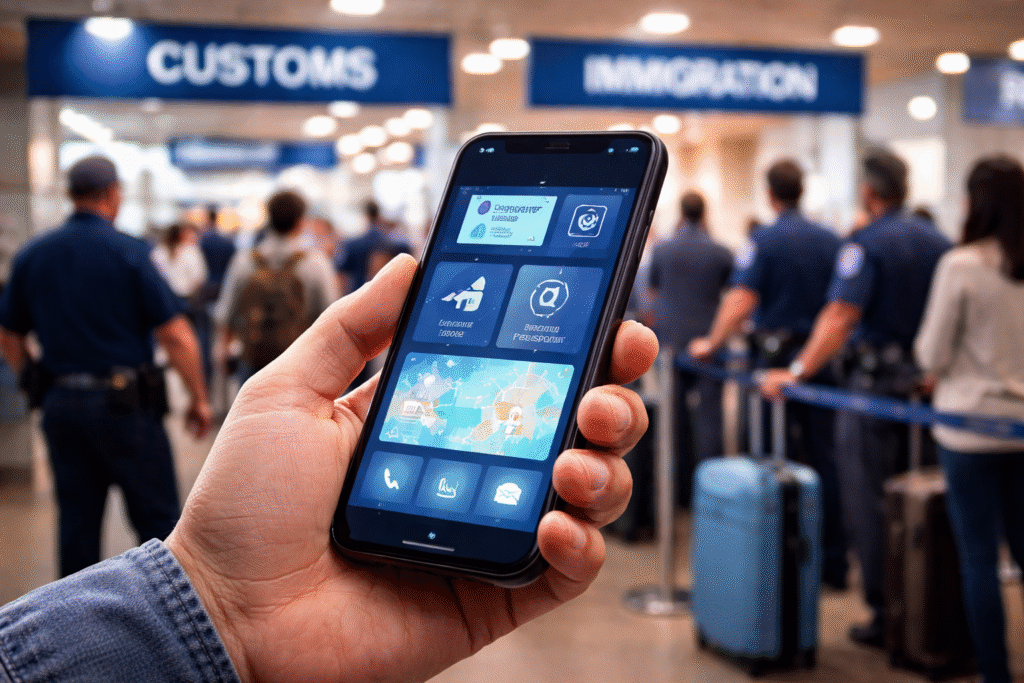
Travel to the United States will change significantly in 2026. Your phone will play a decisive role at U.S. borders. Border officers will rely more on digital evidence than paper documents.
U.S. Customs and Border Protection continues expanding digital screening methods. Officers now treat phones as windows into intent, compliance, and risk.
For tourists, business travelers, and digital nomads, this shift demands preparation. Phones now carry as much influence as passports during entry inspections.
Why Border Officials Focus on Phones
International travel volumes continue rising. Border agencies face pressure to screen travelers efficiently. Digital data offers faster insights than traditional questioning.
CBP believes phones reveal intent more clearly than luggage. Messages, calendars, and emails often show plans travelers never mention verbally.
Government oversight bodies continue urging stronger border controls. Digital screening allows officers to justify decisions using documented evidence.
Device Searches Are Becoming More Common
CBP conducted more than 55,000 device searches during fiscal year 2025. Officials expect higher numbers in 2026. Increased data use drives this trend.
Although searches affect a small percentage of arrivals, the impact remains significant. A single device contains years of personal and professional history.
Privacy groups warn about scope. Border authorities emphasize security and immigration compliance instead.
Legal Authority Behind Device Inspections
U.S. border searches operate under a long-standing legal principle. The border search exception allows searches without warrants at entry points.
CBP divides inspections into two categories. Basic searches involve manual review of content. Advanced searches use forensic tools.
Advanced searches require supervisory approval. Officers must cite security or law enforcement concerns.
Non-U.S. citizens must comply or risk denial of entry. U.S. citizens cannot face denial but may encounter delays or device seizures.
What Officers Look for on Your Phone
CBP officers do not search randomly. They look for specific indicators tied to admissibility and compliance.
Immigration Intent and Visa Compliance
Tourists and visa waiver travelers face close scrutiny. Officers search for signs of unauthorized work or long-term stays.
They may review emails mentioning job offers or freelance work. Messages discussing relocation or study plans raise concerns.
Even casual jokes about working can trigger problems. Officers assess context, not humor.
Consistency and Credibility Checks
CBP compares device content with verbal answers. Officers look for mismatches in travel plans or accommodations.
Calendars, booking confirmations, and maps often reveal inconsistencies. Messaging apps provide additional context.
Any contradiction may lead to extended questioning.
Security and Law Enforcement Flags
In rare cases, officers examine devices for security risks. They may look for links to flagged individuals or regions.
Travel history, encrypted apps, and unusual contacts may prompt deeper review.
These cases remain uncommon for leisure travelers but carry serious consequences.
Criminal Activity Indicators
CBP also searches for evidence of serious crimes. These include trafficking, financial fraud, or exploitation.
If officers suspect criminal content, they may seize devices for investigation.
Social Media Content Draws Attention
CBP states that political beliefs alone do not block entry. However, officers may still view social media activity.
Posts about protests, activism, or controversial events may appear during searches. Group memberships also receive attention.
Journalists and researchers face higher risks due to professional content. Advocacy groups warn about chilling effects on expression.
Gray Areas in Digital Searches
CBP policy limits searches to locally stored data. Officers should avoid cloud-based content.
Modern phones blur this line. Many apps sync automatically. Officers may view content without clear storage boundaries.
Courts continue reviewing these gray areas. Clearer legal standards remain uncertain.
Why 2026 Marks a Turning Point
Experts predict wider use of device searches in 2026. Tourists will face scrutiny once reserved for visa applicants.
Digital intent analysis will guide more entry decisions. Officers will rely less on documents alone.
Border interviews will focus on plans, not paperwork. Phones will provide evidence to support conclusions.
How Travelers Can Prepare
Preparation now forms part of responsible travel. Experts recommend several steps before entering the United States.
Travelers should minimize device content. Remove unnecessary messages, documents, and photos.
A travel-only phone or user profile reduces exposure. Cloud storage offers safer alternatives for sensitive files.
Disable biometric unlocking features. Use strong passcodes instead.
Power down devices before inspection. This step may limit immediate access.
Travelers should understand their legal status. Rights differ for citizens, residents, and visitors.
The Broader Implications for Travel
Digital border screening reflects wider government trends. Agencies worldwide adopt data-driven risk assessment.
Legal challenges continue questioning privacy boundaries. Lawmakers debate modernizing border laws.
Until changes occur, travelers must adapt. Awareness and preparation reduce risks.
What This Means for Your Next U.S. Trip
In 2026, your phone will shape your border experience. Officers will treat digital data as proof of intent.
Preparation now protects privacy and travel plans. Understanding expectations helps avoid costly delays.
As border procedures evolve, informed travelers gain an advantage. Your phone can either support your entry or complicate it.
Smart preparation ensures it works in your favor.
For more travel news like this, keep reading Global Travel Wire