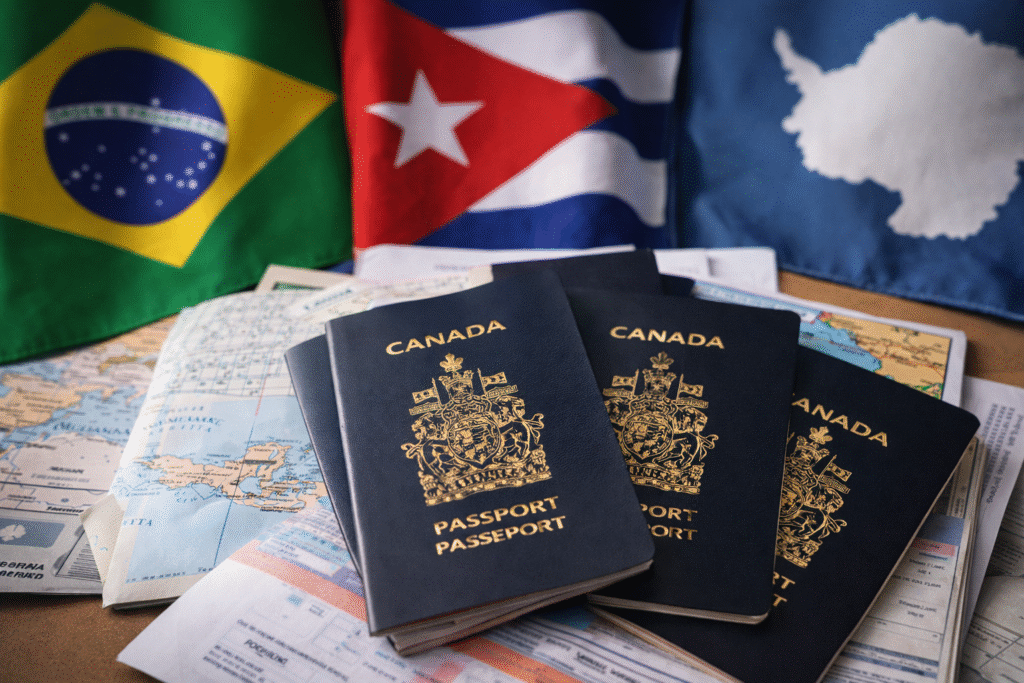
Canada has expanded its high-level travel advisory for 2026. The update now includes Brazil and Antarctica alongside Mexico, the Bahamas, Costa Rica, Cuba, and other destinations. Canadian officials cite growing security threats, border instability, and stricter visa requirements. The advisory urges travelers to exercise extreme caution and prepare carefully before departure.
Global Travel Faces New Pressures
International travel has become more complex in recent years. Governments worldwide now face rising organized crime, political unrest, and border enforcement challenges. Canada’s updated advisory reflects these global pressures. Travelers must now navigate stricter entry rules and unpredictable security conditions across multiple regions.
Brazil Raises Serious Security Concerns
Brazil remains a major tourism destination, yet security risks continue to rise. Canadian officials warn travelers about violent crime in urban centers. Cities like Rio de Janeiro, São Paulo, and Salvador report frequent armed robberies and assaults. Criminal gangs operate openly in several neighborhoods.
Border regions also pose serious dangers. Areas near Colombia, Bolivia, and French Guiana see drug trafficking and arms smuggling activity. Travelers should avoid non-essential travel near borders. Airports, transit hubs, and tourist hotspots also attract thieves and scammers.
Antarctica Poses Extreme Environmental Risks
Antarctica presents a very different type of danger. Canada’s advisory highlights extreme weather and limited infrastructure. Temperatures change rapidly, and storms arrive without warning. Travelers face risks such as frostbite, dehydration, and snow blindness.
Emergency response options remain extremely limited. Medical facilities do not exist across most of the continent. Communication networks remain unreliable. Canadian officials urge travelers to join regulated tours only. Independent travel increases personal risk and environmental damage.
Mexico Remains a High-Risk Destination
Mexico continues to face serious security challenges. Canadian authorities warn against non-essential travel to several states. Drug cartel violence and organized crime fuel these concerns. Regions such as Guerrero, Michoacán, and Guanajuato remain particularly dangerous.
Major tourist cities also face crime. Cancún, Mexico City, and Los Cabos report armed robberies and assaults. Scams targeting foreign visitors have increased. Travelers should avoid night travel and isolated areas. Secure accommodations reduce exposure to risk.
Bahamas Faces Rising Crime Levels
The Bahamas remains popular with international tourists. However, crime levels have increased in recent years. Canadian officials warn about violent crime in Nassau and Freeport. Armed robberies and assaults now occur more frequently.
Petty crime remains widespread in tourist zones. Theft from vehicles and hotel areas remains common. Travelers should avoid poorly lit neighborhoods and late-night travel. Cybercrime also poses risks through unsecured public networks.
Costa Rica Sees Growing Criminal Activity
Costa Rica continues to attract eco-tourism and adventure travelers. However, crime trends have worsened in some regions. Canadian officials warn about pickpocketing and vehicle break-ins. Rental cars often become targets in tourist areas.
Drug trafficking groups contribute to rising violence. Armed robberies have increased near coastal destinations. Travelers should remain alert and avoid isolated locations. Secure lodging and transportation reduce exposure to crime.
Turks and Caicos Joins Advisory List
The Turks and Caicos Islands have experienced a noticeable rise in crime. Providenciales reports increased armed robberies and assaults. Canadian authorities advise caution even in resort areas.
Visitors should use licensed transportation and avoid walking after dark. Criminal activity often occurs outside tourist zones. However, visitors can still face risks through random encounters.
Cuba Faces Economic and Safety Challenges
Cuba remains culturally attractive but faces ongoing economic strain. Canadian officials warn about theft and tourist scams. Fraud, overcharging, and confidence schemes target foreign visitors.
Violent crime remains less common but still occurs. Medical services face shortages and delays. Travelers should carry comprehensive insurance and safeguard valuables. Secure accommodations reduce exposure to risk.
Border and Visa Issues Add New Complexity
Canada’s advisory also highlights evolving visa and entry rules. Border officials in several countries now enforce stricter checks. Travelers may face denial of entry without proper documentation. Sudden policy changes increase uncertainty.
Visa overstays can lead to detention or fines. Travelers should confirm entry requirements before departure. Preparation reduces delays and legal issues.
Tourism Industry Adapts to Changing Risks
Tour operators now adjust itineraries and safety protocols. Travel insurance demand has increased sharply. Airlines and hotels review security measures regularly. Destinations face growing pressure to protect visitors.
Governments also increase traveler awareness campaigns. Safety information now plays a larger role in travel planning. Prepared travelers reduce risk and disruption.
Advice for Canadian Travelers
Canadian officials urge travelers to stay informed before departure. Monitoring local news and advisories remains essential. Travelers should register travel plans when possible. Emergency contacts and insurance coverage provide added protection.
Avoid high-risk regions and late-night travel. Use reputable transportation and accommodations. Awareness and preparation remain the strongest safety tools.
Final Takeaway for Global Travelers
Canada’s expanded travel advisory reflects a changing global landscape. Brazil, Antarctica, Mexico, the Caribbean, and Central America now face heightened scrutiny. Crime, border issues, and visa concerns shape modern travel risks. Travelers can still explore these destinations with preparation and caution. Staying informed remains essential as global conditions continue to evolve.
For more travel news like this, keep reading Global Travel Wire