La Niña is no longer a distant scientific term buried in climate reports. It has evolved into a travel-disrupting, economy-shaking climate force that is reshaping winters across the globe. As temperatures plunge far below seasonal averages, some of the world’s most visited tourist destinations are finding themselves in the grip of unexpectedly harsh winters, paralysed transport systems, shuttered attractions, and a dramatic drop in tourist confidence.
This analytical travel and climate report breaks down what La Niña really is, why it triggers extreme winters, and how it is crippling major tourist hubs across Europe and beyond, with a final, critical look at India’s alarming cold anomalies. This article is optimised for WordPress SEO, designed to rank, engage, and convert.
What Exactly Is La Niña? The Climate Trigger Behind Extreme Winters
La Niña is the cold phase of the El Niño–Southern Oscillation (ENSO), characterised by cooler-than-normal sea surface temperatures in the central and eastern Pacific Ocean. While that sounds geographically distant, its ripple effects are global. For Europe and parts of Asia, La Niña often translates into stronger polar jet streams, allowing Arctic air masses to plunge southward with little resistance.
The result? Longer winters, deeper cold snaps, persistent snowfall, and erratic weather systems that defy historical norms. For tourism-dependent economies, this is not just weather volatility – it is a structural disruption affecting aviation, hospitality, infrastructure, and seasonal travel planning.
Why La Niña Winters Are More Dangerous for Tourism Than Normal Cold Seasons
Unlike predictable winter cycles, La Niña winters are statistically unstable and operationally disruptive. Tourist destinations rely on climate predictability to plan festivals, manage crowds, and maintain transport networks. La Niña breaks that model entirely.
Sudden freezes damage roads and rail lines. Airports face mass cancellations. Outdoor attractions shut down without warning. Even iconic winter experiences become unsafe or inaccessible. From a travel industry perspective, La Niña creates a high-risk environment with low forecast reliability, forcing travellers to cancel, defer, or reroute trips altogether.
The Netherlands: Frozen Canals, Broken Connectivity, Vanishing Tourists
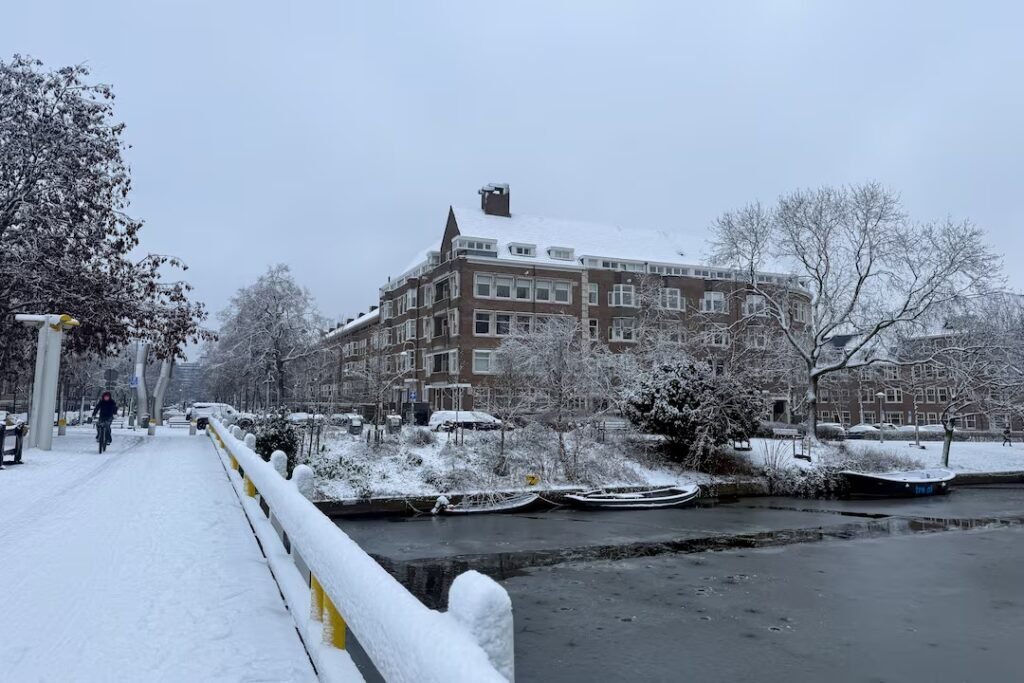
The Netherlands, globally romanticised for its canals, cycling culture, and walkable cities, is experiencing winters far harsher than its maritime climate is built to handle. La Niña-driven cold waves have pushed temperatures well below normal, freezing canals that were never designed for sustained ice cover.
While frozen canals may look picturesque, they spell disaster for transport, river cruises, and waterfront tourism. Cycling infrastructure becomes unusable, flights face delays due to ice accumulation, and hotel bookings drop sharply. Amsterdam’s tourism-dependent economy feels the shock immediately, as city breaks become logistically risky and operationally expensive.
Germany: Historic Cities Paralyzed by Relentless Cold and Snow
Germany
Germany’s reputation for efficiency is being tested by La Niña-induced winters that overwhelm even its robust infrastructure. Cities like Munich, Berlin, and Frankfurt are facing extended snow cover, sub-zero nights, and frozen rail networks.
Christmas markets – a cornerstone of Germany’s winter tourism brand – are repeatedly disrupted or closed. Long-distance trains face cancellations, highways become hazardous, and regional airports struggle to remain operational. The economic impact is severe: fewer international arrivals, higher operational costs, and insurance losses across the tourism sector.
France: Alpine Chaos and Urban Cold Snaps Reshape Travel Patterns
France
France is seeing a dual-impact crisis. In the Alps, ski resorts face paradoxical conditions: too much snow too fast, triggering avalanche risks and resort shutdowns. In cities like Paris and Lyon, cold snaps disrupt urban tourism not designed for prolonged freezes.
La Niña intensifies temperature swings, meaning travellers face unpredictable closures, unsafe walking conditions, and delayed transport. Luxury tourism suffers as premium travellers avoid uncertainty, while mass tourism declines due to safety concerns. France’s tourism diversification model struggles under climate volatility.
United Kingdom: When Mild Winters Become a Thing of the Past
United Kingdom
The UK’s tourism industry has long benefited from relatively mild winters, especially in London and southern England. La Niña is dismantling that advantage. Temperatures are increasingly dropping below historical norms, accompanied by snowstorms and icy rain.
Airports such as Heathrow and Gatwick face knock-on delays, while rail networks buckle under freezing conditions. Domestic tourism suffers as staycations become less attractive, and inbound tourism declines due to weather-related uncertainty. The UK is being forced to rethink winter resilience across its travel sector.
Italy: Cultural Capitals Under Cold Stress and Seasonal Disruption
Italy
Italy’s appeal lies in its outdoor culture – piazzas, walking tours, alfresco dining. La Niña winters undermine this model entirely. Northern cities like Milan and Venice are experiencing prolonged frost and snow, damaging infrastructure and deterring tourists.
Venice’s already fragile ecosystem suffers as freezing conditions interact with flooding cycles, while Rome sees reduced footfall as outdoor sightseeing becomes uncomfortable. Tourism revenue declines sharply, particularly from short-haul European travellers who postpone trips rather than endure climate uncertainty.
Why Airlines, Hotels, and Tour Operators Are Quietly Losing Millions
La Niña doesn’t just freeze destinations – it erodes trust in travel planning. Airlines face cascading cancellations, hotels struggle with unpredictable occupancy, and tour operators absorb refund losses.
From an SEO and behavioural analysis perspective, search trends show spikes in phrases like “flight cancellation winter Europe”, “is it safe to travel winter”, and “best warm destinations during La Niña”. This shift signals a consumer confidence collapse, driven directly by climate instability rather than economic factors.
India: The Unexpected Victim of La Niña’s Expanding Cold Footprint
India
While Europe freezes, India is experiencing an underreported but deeply concerning La Niña impact. Northern and central regions are recording temperatures significantly below normal, triggering severe cold waves. Cities unaccustomed to extreme cold face rising health risks, transport delays, and agricultural disruption.
Tourism hotspots in North India suffer as visibility drops due to fog, trains are delayed, and outdoor travel becomes risky. Hill stations face overcrowding due to snow hype, increasing safety incidents. La Niña’s influence on India underscores a dangerous truth: no destination is climate-safe anymore.
The Bigger Picture: La Niña Is Rewriting Global Travel Rules
La Niña is no longer a seasonal anomaly – it is a systemic disruptor of global tourism. Destinations built on predictable weather models are being forced into reactive crisis management. Infrastructure investments, travel insurance pricing, and destination marketing strategies are all being rewritten in real time.
For travellers, the message is clear: climate awareness is now as important as budgeting or visas. For the travel industry, adaptation is no longer optional – it is existential.
Final Analysis: Travel in the Age of Climate Extremes
La Niña has exposed the fragility of global tourism systems. From frozen European capitals to unexpected cold waves in India, the climate is dictating travel outcomes with ruthless efficiency.
Destinations that adapt, communicate transparently, and invest in resilience will survive. Those that rely on outdated climate assumptions will not. As La Niña tightens its grip, the future of tourism belongs to those who plan for extremes – not averages.
Photo by: Reuters