Tanzania has long held a premier spot on the global tourism map. The country attracts wildlife enthusiasts, mountaineers and beach travelers with the Serengeti, Ngorongoro Crater, Mount Kilimanjaro and the islands of Zanzibar. In 2024, tourism represented one of Tanzania’s most important economic pillars and supported thousands of local jobs across national parks, hotels and transportation services.
However, the international travel environment has shifted. Following the general elections on October 29, 2025, political tensions, protests and a surge in security concerns have triggered elevated travel warnings. The United States upgraded its advisory for Tanzania from Level 2 to Level 3, urging travelers to reconsider travel. The revised notice pointed to increased crime, political unrest, concerns over targeted violence and limited response capacity from local authorities. The advisory now also includes an “unrest” risk indicator, highlighting the volatility of demonstrations in major cities.
Protests and Disruptions After Election Results
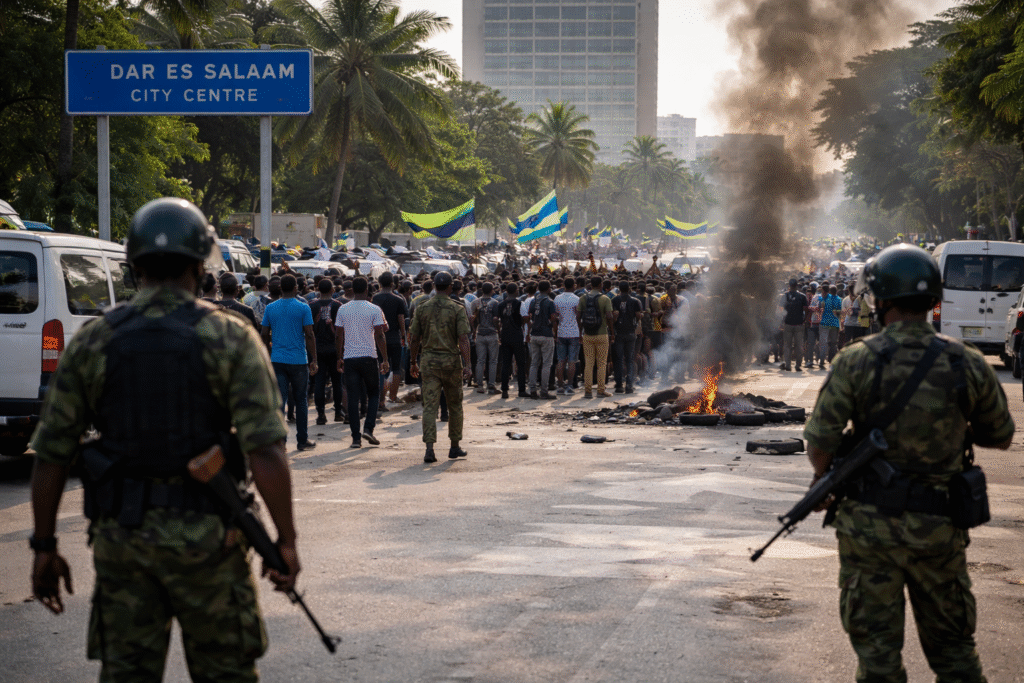
Post-election protests grew in Dar es Salaam, Arusha and Mwanza as opposition groups challenged the vote outcome. Reports described roadblocks, sporadic clashes, curfews and disruptions to public transportation. Telecommunications networks, including mobile data services, experienced slowdowns and intermittent shutdowns. Such disruptions have complicated the movement of residents, tourists and tourism personnel.
Crowded demonstrations and uncertainty around security have influenced traveler confidence. Travel insurers and tour companies have begun reassessing policies tied to political instability. The tourism sector is accustomed to seasonal fluctuations, but political unrest presents a less predictable risk.
Canada Issues Parallel Cautions
The Government of Canada also updated its travel advisory for Tanzania, urging residents to avoid non-essential travel. Its guidance highlighted movement restrictions, interrupted airport and ferry schedules and reduced emergency access. These disruptions can affect evacuation planning, medical care, transportation logistics and basic travel coordination.
Canada also issued specific cautions near the Mozambique border in Mtwara due to armed group activity. Travelers were advised to avoid the immediate border zone and exercise extreme caution in surrounding districts. The warnings align with global security evaluations that monitor terrorism risks and the operational capacity of local security forces.
Tour Operators Modify Itineraries and Support Travelers
The travel industry reacted swiftly to the changing situation. Several international tour operators reviewed their Tanzania programs, focusing on guest safety, itinerary flexibility and repatriation options.
Adventure tour companies temporarily adjusted routing due to cancelled flights, ferry delays and road closures. Some repatriated travelers ahead of potential escalations and communicated directly with future guests regarding alternatives. Tour consultants reported a rise in inquiries from clients seeking clarity about the new advisories and the safety of upcoming departures.
Local safari lodges and guides also reported an increase in postponements for the 2025–2026 travel season. For many, this shift arrived at a time when the sector expected strong recovery momentum following post-pandemic rebound years.
Economic Impacts on Tourism Revenue
Tanzania typically welcomes millions of international visitors annually, with peak seasons tied to the Great Migration and dry months ideal for climbing and wildlife viewing. Tourism has consistently ranked among the country’s top foreign-exchange earners.
The current advisories may temporarily dampen demand, particularly for travelers from North America and Europe who rely heavily on government guidance. Flight cancellations and disrupted ferry operations have strained logistics for safari transfers, Kilimanjaro climbs and Zanzibar beach holidays. Some airlines paused or reduced routes until stability improves.
While the long-term impact remains unclear, tour analysts note that travel disruptions often ripple across hotels, park services, restaurants, craft markets and transportation providers. Local communities near wildlife parks are especially exposed due to their dependency on seasonal tourism income.
Travel Preparation and Safety Guidance
Both the United States and Canada urged heightened situational awareness for those already in Tanzania. Visitors were advised to monitor local news, avoid demonstration zones and maintain flexible itineraries. Government notices encouraged travelers to keep backup plans for accommodation, transportation and communications in the event of curfews, roadblocks or network outages.
Travel experts also recommend checking insurance policies for clauses relating to political unrest, evacuation and trip interruption. In uncertain environments, comprehensive insurance and early planning can ease financial and logistical burdens for travelers and tour operators.
Balancing Safety and Adventure Travel
Despite the current turbulence, Tanzania’s appeal as a destination remains strong. The country continues to offer unparalleled wildlife experiences and some of the world’s most iconic landscapes. Many travelers remain enthusiastic about future trips, choosing to defer rather than cancel. Tourism professionals believe the sector can rebound once stability improves and advisories are downgraded.
Yet for now, safety remains the priority. Travelers planning near-term visits must weigh the updated government guidance, review their risk tolerance and communicate with tour providers. Flexibility, informed planning and awareness are essential in dynamic conditions.
Conclusion: Tourism Under a Watchful Eye
The heightened travel warnings signal a critical moment for Tanzania’s tourism sector. As advisories urge caution and reconsideration of travel, visitors and operators are recalibrating plans. While the country’s natural wonders continue to inspire global travelers, the current environment demands careful preparation and prioritization of personal safety.
For more travel news like this, keep reading Global Travel Wire