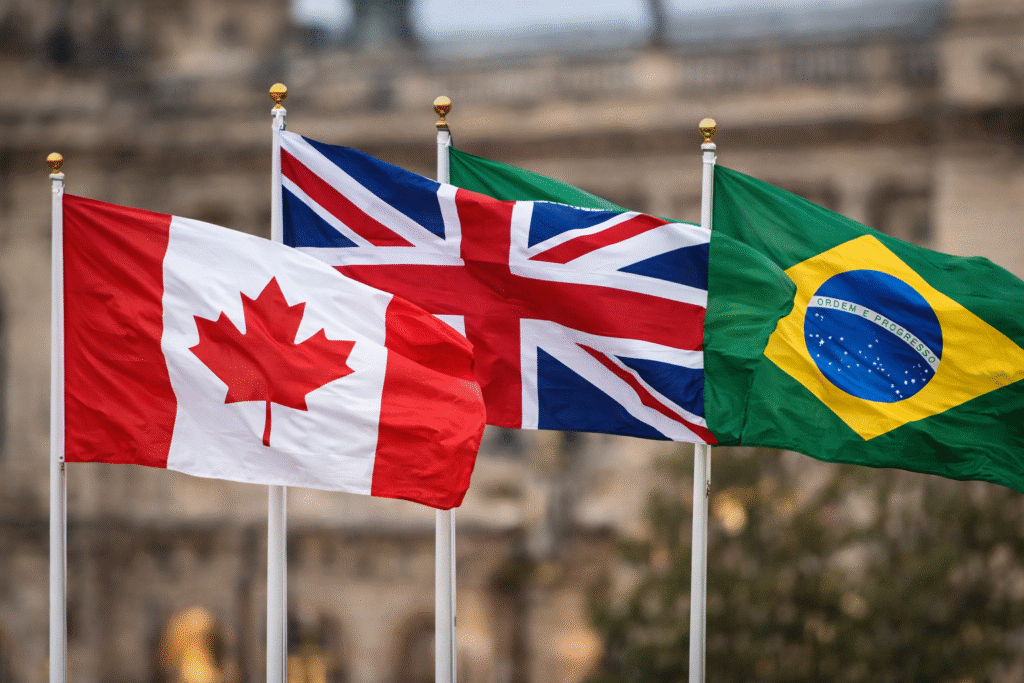
International travel is once again under close scrutiny as the United Kingdom updates travel guidance for several popular tourism and business destinations. The revised advisory highlights heightened security threats, political unrest and documentation challenges across multiple countries, including Canada, Brazil, Mexico, Germany, South Africa, Greece and Italy. The update arrives at a time when global mobility continues to rebound, raising questions about how safety concerns could influence international tourism patterns in 2025.
For the tourism industry, these advisories carry meaningful implications. Many of the countries mentioned are among the world’s most visited destinations, attracting millions of travelers each year for leisure, work and cultural experiences. The advisory does not prohibit travel, but urges visitors to remain aware of evolving risks that may impact transportation, public gatherings, visa processing and border control procedures. Tourism analysts note that such warnings can affect booking confidence, corporate travel planning and travel insurance uptake, especially among risk-averse travelers.
Canada Faces Scrutiny Amid Growing Demonstrations
Canada’s inclusion on the advisory list has drawn attention due to its longstanding reputation as a stable and safe destination. Recent demonstrations in cities such as Ottawa, Montreal and Vancouver have led to disruptions in transportation and increased police deployments around government buildings and commercial centers. The protests, driven by a range of social and political issues, have prompted concerns about potential clashes and traffic congestion in urban cores.
While Canada’s national parks, cultural attractions and resort areas continue to operate normally, visitors are encouraged to avoid protest sites and monitor local updates. Tourism experts expect minimal long-term impact on Canada’s tourism sector, but note that major events and conferences could require additional logistical planning.
Brazil Grapples with Political Unrest and Regional Instability
Brazil, known for its natural wonders and vibrant culture, has been flagged in connection with ongoing political tensions and sporadic civil unrest. Demonstrations in major cities have occasionally escalated into confrontations between protesters and security forces. Regions within the Amazon basin and remote interior states have reported disturbances linked to environmental conflicts and policing efforts.
Despite these issues, Brazil remains a magnet for international visitors attracted to the country’s beaches, festivals and ecotourism. However, travelers may experience localized disruptions in certain cities or rural zones, particularly around government buildings and high-profile public events.
Mexico Confronts Rising Crime and Urban Protests
Mexico continues to draw strong tourism numbers across its coastal resorts and cultural destinations, yet the advisory highlights concerns about crime and political demonstrations in key urban centers. Protest marches attributed to social and political causes have resulted in temporary closures of plazas and thoroughfares in Mexico City and other metropolitan regions.
Security analysts note that these disruptions primarily affect civic districts rather than major tourism corridors. Nevertheless, visitors passing through large cities en route to resort destinations may encounter increased police presence, travel delays or transportation detours. Despite these challenges, Mexico’s tourism sector remains resilient, supported by strong demand for cultural heritage, gastronomy and beach travel.
Germany Faces Terrorism Threats and Civic Demonstrations
Germany’s major cities remain central hubs for European tourism, drawing visitors to historic landmarks, museums and seasonal festivals. The advisory draws attention to recent demonstrations related to political and economic issues, as well as ongoing concerns regarding terrorism threats in crowded public venues.
Security measures around airports, train stations and major attractions have been reinforced in recent years. Tourism authorities have emphasized that most travel continues without incident, although the advisory encourages heightened situational awareness in large gatherings and transit zones.
South Africa’s Crime Challenges Remain a Tourism Consideration
South Africa retains global appeal for wildlife tourism, cultural experiences and coastal scenery. However, crime remains a persistent concern in urban areas, with incidents such as robberies and carjackings receiving attention in the updated advisory. Travelers are encouraged to use reputable transportation providers and avoid unfamiliar areas after dark.
Tourism professionals note that South Africa’s guided tour sector has mitigated many risks through organized itineraries, particularly for wildlife safaris and scenic drives. Nonetheless, visitors planning independent travel may need to exercise additional caution.
Greece Manages Protests in Major Tourism Gateways
Greece remains one of Europe’s most visited destinations, attracting millions to its historical sites and island beaches. The advisory highlights an uptick in protests and industrial strikes in Athens, typically associated with economic and policy debates. These events occasionally disrupt public transport and access to central districts, prompting travel industry groups to issue alternate routing suggestions for tour groups.
Tourism analysts anticipate limited long-term impact on Greece’s visitor numbers, noting that unrest is generally confined to administrative zones rather than tourism-heavy islands.
Italy Navigates Demonstrations in Key Cities
Italy’s political demonstrations have grown more frequent in cities such as Rome and Milan, where government buildings and transportation hubs serve as rally points. While demonstrations are mostly peaceful, they can lead to police cordon zones and temporary rerouting of buses and trams. Tourism operators have responded by adjusting schedules and advising travelers to plan for additional transit time during peak demonstration periods.
Global Tourism Outlook Adjusts to Safety Awareness
As the UK joins other governments in issuing heightened advisories, the effect on global tourism may vary by destination and traveler segment. Business travelers tend to recalibrate itineraries rather than cancel them, while leisure travelers may shift bookings toward perceived lower-risk destinations. Industry experts emphasize that informed, prepared travelers can continue to explore the world safely by staying updated and adapting plans when necessary.
For more travel news like this, keep reading Global Travel Wire