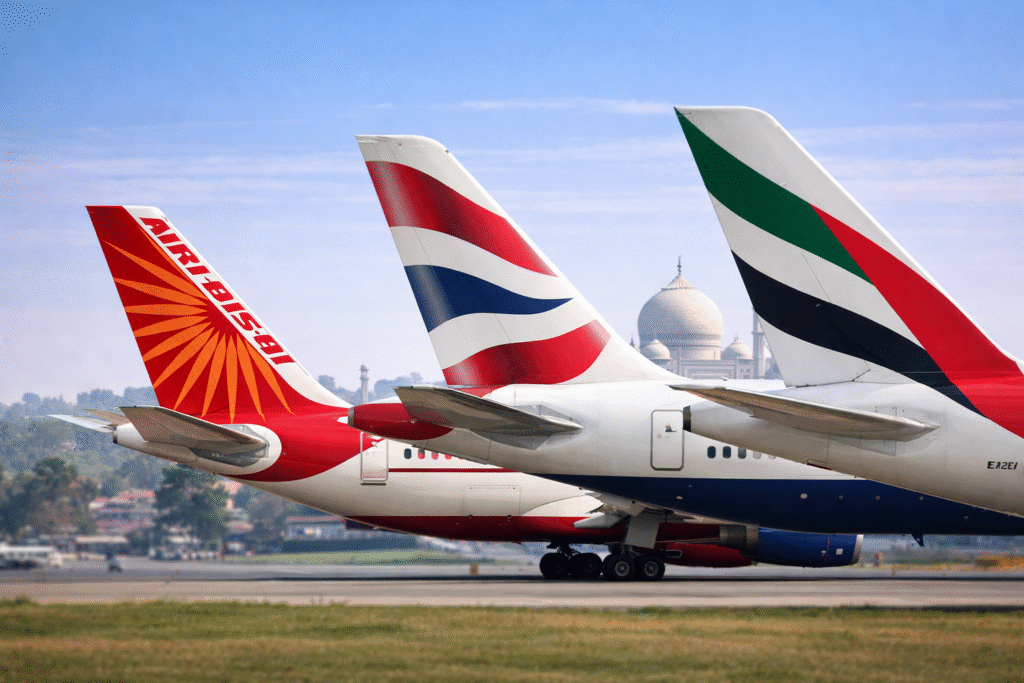
India is preparing for a record-breaking tourism year as inbound travel from the United States, the United Kingdom and Australia accelerates into 2026. With global travel now firmly in recovery mode, India’s cultural heritage, diverse landscapes and expanding tourism infrastructure are drawing international visitors at levels not seen before. Airlines including Air India, British Airways and Emirates are responding to this surge by expanding flight capacity, opening new routes and enhancing long-haul travel experiences to meet rising demand.
The surge in arrivals from these three markets reflects broader trends reshaping global tourism. American travelers are increasingly seeking international cultural destinations, British visitors are returning to familiar routes strengthened by cultural ties, and Australians are looking for long-haul destinations that offer both adventure and affordability. Together, these traveler groups represent a significant share of India’s inbound tourism economy—and their return is reshaping air connectivity across the Indo-Pacific and trans-Atlantic corridors.
USA, UK and Australia Drive India’s International Tourism Revival
India has long been on the radar for international tourists, but interest from the USA, UK and Australia has grown rapidly in the post-pandemic period. Tourism economists attribute this rise to several factors: improved aviation connectivity, stronger marketing of Indian destinations, enhanced airport infrastructure and a global shift toward experience-based travel.
India’s appeal spans a broad spectrum of tourism interests. Visitors can explore iconic heritage sites such as the Taj Mahal and Jaipur’s palaces, unwind on tropical beaches in Goa and Kerala, trek in the Himalayas, discover wildlife reserves, attend wellness retreats or immerse themselves in culinary and spiritual journeys. This range provides India with the ability to attract multiple traveler segments simultaneously—from backpackers and digital nomads to luxury travelers and retirees.
Airlines Expand Routes and Services Ahead of 2026 Demand
To accommodate rising tourism numbers, major airlines are making strategic adjustments to their India portfolios. Air India, now undergoing one of the largest fleet expansions in its history, is adding wide-body aircraft and boosting its long-haul routes connecting New York, Chicago, San Francisco and other U.S. hubs directly with Delhi and Mumbai. The airline is also refining its premium cabins and in-flight services to compete more aggressively in international markets.
British Airways, which has maintained long-standing connections between London and India, is increasing flight frequencies to major Indian cities and exploring seasonal service enhancements. The carrier sees strong year-round demand from both leisure and business travelers, supported by historical ties, visiting-friends-and-relatives travel and corporate traffic.
Emirates continues to serve as a central connecting airline for long-haul travelers from Australia, the UK and the USA through its Dubai hub. With its extensive network into Indian metros and tier-II cities, the airline is positioned as a key player linking diverse outbound tourism markets to India. Its focus on service quality, seamless transfers and flexible schedules has strengthened its appeal for long-haul travelers heading to South Asia.
Infrastructure Upgrades Strengthen India’s Tourism Competitiveness
India’s aviation and airport sectors have undergone major modernization efforts over the last decade, contributing to the improved travel experience. Airports in Delhi, Mumbai and Bengaluru are expanding terminal capacity, adding international lounges and streamlining passenger movement ahead of projected traffic increases.
Regional connectivity has also improved, enabling tourists to fly beyond India’s major entry points to coastal, heritage and nature-focused destinations. This decentralization strengthens India’s capacity to distribute tourism revenue while reducing pressure on major cities.
Hospitality Sector Rises to Meet Demand
India’s hospitality industry is also preparing for record tourism flows. Luxury brands, boutique hotels and eco-resorts report strong bookings from foreign travelers, many of whom are seeking experiential stays that showcase regional culture, local cuisine and sustainable tourism practices.
Major domestic and international hotel groups are expanding their footprints in cities such as Mumbai, Delhi and Bengaluru as well as leisure destinations including Goa and Kerala. Interest in wellness tourism—spanning Ayurveda retreats, meditation centers and yoga resorts—continues to grow among Australian, American and British visitors, reflecting global trends in holistic and restorative travel.
Eco-friendly tourism is also gaining momentum. Resorts in coastal and mountain regions are incorporating conservation programs, renewable energy solutions and waste-reduction systems in response to rising demand for responsible travel options.
India’s Global Position Strengthens Ahead of 2026
Industry analysts expect 2026 to be a milestone year for India’s tourism sector. The country’s global visibility has increased through international cultural events, trade partnerships and outbound tourism marketing campaigns. Meanwhile, strong foreign demand from the USA, UK and Australia demonstrates that India’s tourism reboot is not merely returning to pre-pandemic patterns—it is expanding into new markets and higher-value traveler segments.
For airlines and hospitality operators, the outlook is equally positive. Expanded flight capacity, improved airport infrastructure and new tourism products position India to compete more effectively with global destinations in Europe, Southeast Asia and the Middle East. For international travelers, the combination of enhanced connectivity and enriched tourism offerings means that visiting India in 2026 will be more accessible, more comfortable and more diverse than ever before.
For more travel news like this, keep reading Global Travel Wire