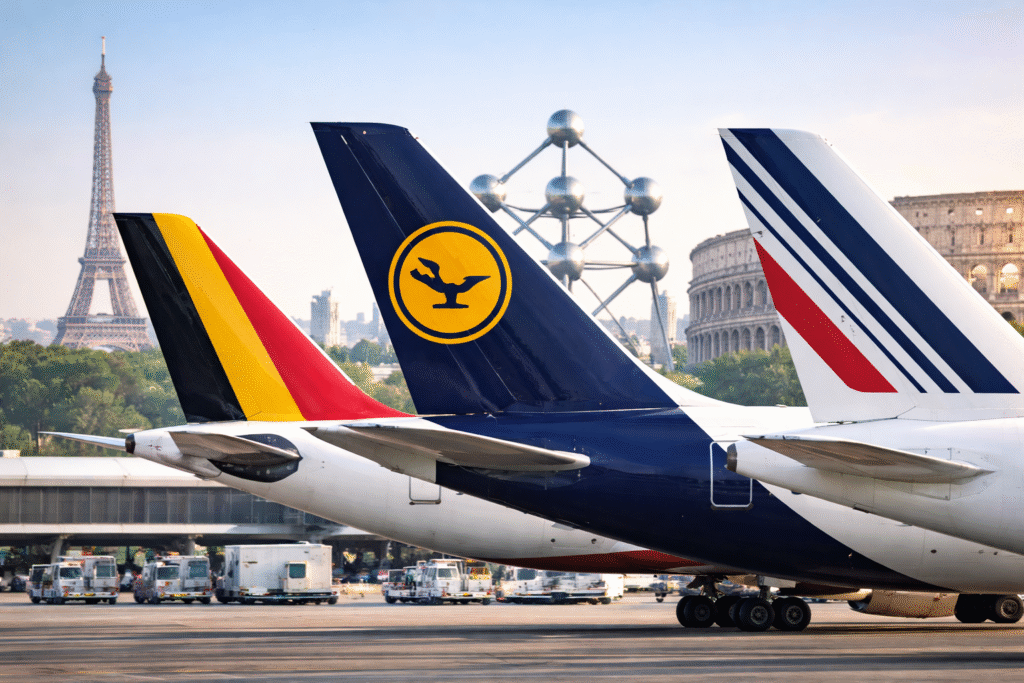
Europe’s tourism sector is entering a groundbreaking phase, and 2025 stands out as the year event-driven travel pushed the industry to new heights. Cultural festivals, global exhibitions, sporting championships and high-profile conferences have reshaped the way tourists move across the continent. While major players such as Germany, France and the United Kingdom continue to contribute the highest volumes of event tourism revenue, Belgium has emerged as Europe’s most impressive success story, recording a striking 20 percent surge in event-related tourism spending and outperforming larger markets in growth pace.
Belgium’s tourism model for 2025 has become the benchmark for other European nations. The country’s well-organized conference infrastructure, world-renowned exhibitions and dynamic sporting events have drawn millions of visitors to cities such as Brussels, Antwerp and Ghent. These destinations have leveraged unique cultural assets alongside modern event facilities, successfully attracting both leisure tourists and corporate travelers. The result has been an exceptionally strong year for hotels, restaurants, transport operators and cultural institutions, boosting Belgium’s tourism revenues at an unprecedented rate.
Europe as a whole saw a seven percent increase in total spending linked to events and live experiences, signaling a shift in how travelers prioritize destinations. Instead of planning trips purely for sightseeing, more tourists are arranging travel around specific events — from film festivals to tech expos to international sports tournaments. This shift benefits countries that can organize events with global appeal, ensuring year-round arrivals rather than predictable seasonal peaks.
Belgium’s performance is particularly notable because it surpassed growth rates in powerhouse tourism markets. The United Kingdom recorded a ten percent rise in event-driven spending in 2025 despite hosting fewer events than in previous years, an indication that the UK’s strategy is leaning toward high-value visitor segments. Iconic events such as London Fashion Week, Wimbledon and the Edinburgh Festival Fringe continue to attract affluent international audiences willing to spend more per trip. Hotels, cultural venues and transportation networks benefited from this shift toward premium tourism.
Germany also experienced solid increases in event-related tourism revenue driven by its robust trade fair and exhibition ecosystem. Cities like Berlin, Frankfurt and Munich are among Europe’s most established MICE (Meetings, Incentives, Conferences and Exhibitions) hubs, with events such as Berlinale, the Frankfurt Book Fair and international industrial expos drawing vast global attendance. The combination of efficient transport networks, world-class venues and strong business travel demand has kept Germany in the top tier of event tourism performance.
France continued to cement its status as a cultural superpower, benefiting from a calendar of fashion shows, art festivals, music events and sporting competitions. Paris alone hosted dozens of cultural showcases, contributing to strong inbound travel numbers. France’s tourism industry also gained momentum from regional destinations, as cities like Lyon, Marseille and Bordeaux hosted high-profile events that spread tourism demand beyond Paris.
Other European nations are also rising as specialized event tourism markets. Spain has grown its sports-driven visitor arrivals, especially through international football, cycling and motorsport events, in addition to festivals that already attract massive crowds. Italy’s event tourism expanded through both cultural showcases and business conferences, strengthening its role as a global center for fashion, art and heritage tourism. Meanwhile, Greece saw a surge in demand tied to sports tourism, with marathons, open-air performances and cultural celebrations drawing audiences from around the world. Greece’s tourism authorities have increasingly promoted sporting events to extend the travel season beyond summer.
Northern European countries such as Sweden and the Netherlands also made noticeable gains in 2025. Sweden saw increased visitor spending connected to winter sports and music festivals, while the Netherlands benefited from exhibition-driven growth and a strong convention center network that continues to attract corporate events and international attendees.
The economic ripple effect of event-driven tourism has been significant across the continent. Industry analysts note that nearly half of event-linked visitor spending flowed into food and beverage services, including restaurants, pubs, cafes and catering. Another large portion was absorbed by hotels and accommodation providers, while transportation networks benefited from increased domestic and international mobility. Local tour operators, cultural venues, guides and retail districts also reported stronger revenue due to the growing demand for contextual experiences that complement marquee events.
As Europe looks toward 2026, projections indicate even further acceleration in event-driven tourism. Investments in stadiums, conference centers, transport networks and sustainable tourism initiatives are already underway across multiple EU nations. Europe is also preparing for major future sporting events, music festivals and business gatherings that are expected to elevate the continent’s profile among global travelers seeking memorable live experiences.
Belgium’s exceptional 2025 performance symbolizes the future of European tourism — strategic, diversified, and increasingly event-centric. By capturing the international appetite for live cultural and sporting experiences, Belgium has transformed from an under-the-radar market into a powerhouse of event tourism growth. In doing so, it has set a new standard that other nations will likely follow as the continent enters a new era of high-value tourism demand driven not just by landscapes, but by experiences that can’t be streamed or replicated digitally.
For more travel news like this, keep reading Global Travel Wire