Visa drives rapid innovation in digital payments and strengthens its position in financial technology. The company pushes tokenization deeper into consumer and merchant systems. This shift redefines security, speed, and convenience in the payment process. Digital payments grow fast across the globe, so Visa treats tokenization as a core tool for the next decade of financial infrastructure.
Tokenization replaces sensitive customer data with unique codes. These codes allow secure payments without exposing real credit card or bank data. This approach enhances safety and improves transaction efficiency. Many industry analysts view tokenization as a major milestone in the evolution of payment technology.
How Tokenization Works in Digital Finance
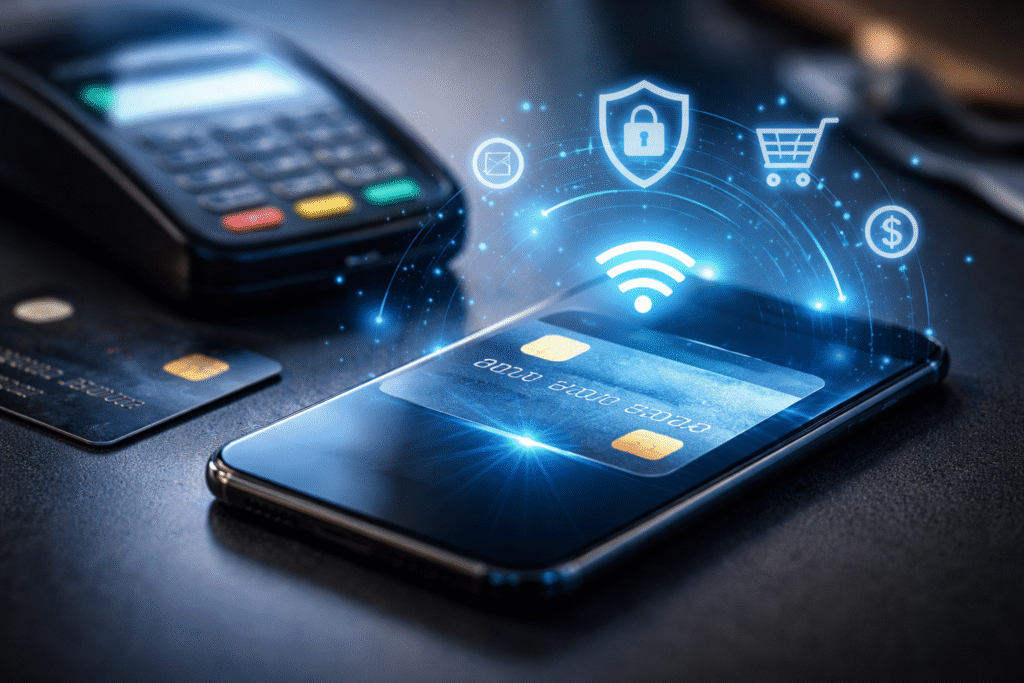
Tokenization converts card details into secure tokens. These tokens map to actual account numbers inside a protected environment. The original information never leaves the secure vault. Consumers complete purchases without sharing real account details with merchants. Hackers gain nothing if they intercept token data. Tokens carry no direct financial value outside controlled systems.
Digital wallets use this method every day. Consumers pay through tap-to-pay systems or online checkouts. The token links to the account behind the scenes. The customer enjoys fast and safe transactions. Merchants reduce risk and streamline their commerce platforms.
Security Benefits Drive Market Adoption
Cybercrime hits financial institutions and retailers on a regular basis. Many merchants struggle to secure customer data. Tokenization reduces exposure and prevents major leaks. Visa integrates tokenization into core payment products. Customers gain more confidence with every transaction. Merchants cut fraud losses and reduce compliance burdens. The global market now treats tokenization as the next standard for digital transactions.
Banks, fintech firms, and mobile wallet platforms support this trend. Visa collaborates with them to expand token coverage across industries. Financial leaders highlight tokenization as an essential tool for a cashless ecosystem.
Tokenization Enhances User Experience
Security dominates the conversation around tokenization, yet user experience matters just as much. Tokenized systems simplify checkout flows. Consumers no longer type long card numbers or dates. They store tokenized credentials in digital wallets. A simple click or tap completes most payments within seconds. This reduces friction and helps merchants improve conversion rates.
Travelers enjoy smooth payments across airports, hotels, ride apps, and booking platforms. Shoppers also complete purchases on mobile apps with minimal barriers. This ease supports global tourism growth and helps digital commerce scale across borders.
Seamless Integration Across Platforms and Devices
Tokenization does not limit itself to e-commerce channels. Consumers move between phones, laptops, kiosks, and in-store terminals. Tokens follow them across platforms. Merchants unify online and offline payments. This creates a smooth omnichannel environment.
Retail, travel, entertainment, and hospitality brands benefit from this versatility. They expand mobile checkouts, subscriptions, membership apps, and loyalty platforms. These features gain more traction in markets with high smartphone adoption.
Tokenization Moves Beyond Card Payments
Visa explores tokenization for more than credit and debit cards. Bank transfers, digital wallets, and even cryptocurrency networks can use tokenization. Open banking programs also integrate token systems to support secure data sharing. This aligns with global policy shifts toward consumer-controlled financial data. The market shifts toward instant settlement and direct transfers, so tokenization helps protect the process.
Many experts expect tokenization to support identity systems as well. Digital identity plays a major role in both travel and finance. Governments explore digital IDs for airports, border checks, licensing, and benefits. Tokenization can protect these systems from misuse.
New Business Models and Revenue Streams Emerge
Tokenization helps businesses lower data handling costs. Companies can avoid storing sensitive financial details. This reduces liability and compliance burdens. Subscription services store token data for recurring billing without risk. Customers update payment details less often, so churn drops.
Tokenization also supports new loyalty models. Merchants attach rewards to tokenized credentials. Customers earn benefits through everyday purchases. Tourism brands, airlines, and hotels explore these models to boost repeat bookings. Entertainment platforms use similar strategies to retain subscribers.
Visa Positions Tokenization for the Next Era
Visa signals long-term commitment to tokenization. The company invests in partnerships with banks, merchants, and technology firms. These projects aim to scale tokenization across global finance. Many financial regulators encourage the adoption of safer payment methods, so tokenization aligns with policy goals in many regions.
Consumers care more about data privacy and financial control. Tokenization meets both objectives and satisfies rising user expectations. Developers also benefit because tokenization enables smoother system design for new apps and payment products.
Conclusion
Visa treats tokenization as more than a security fix. The technology upgrades convenience, speed, and flexibility across digital payments. It supports new business models, strengthens consumer trust, and prepares the financial system for a cashless future. Visa plans to use tokenization as a key pillar in its global innovation strategy.
For more travel news like this, keep reading Global Travel Wire