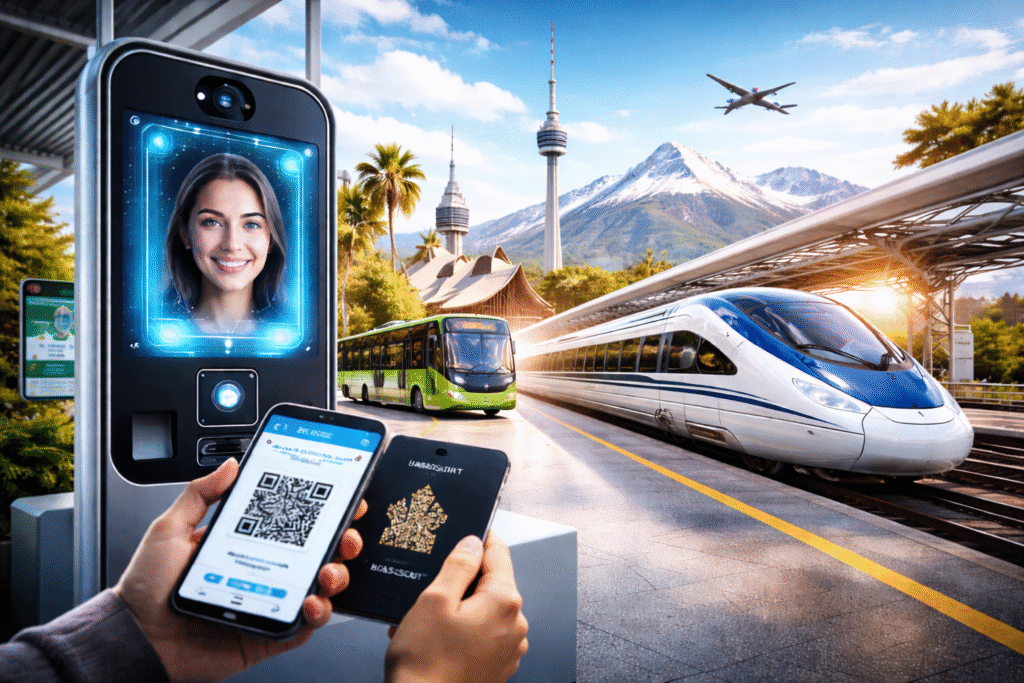
Australia and New Zealand embrace a new phase of tourism innovation in 2026. Both nations adopt digital technologies that support faster movement, better security, and more sustainable transport. Travelers gain smoother airport experiences, greener mobility options, and smarter itinerary planning. Officials view tourism as a critical economic pillar, so they invest heavily in digital infrastructure that improves visitor satisfaction and reduces environmental impact.
These upgrades position Oceania as a global leader in smart tourism. The region offers travelers advanced border processing, personalized tools, clean transportation, and more efficient public transit networks.
Biometric Borders Transform Airport Flow
Biometric identity systems now operate across major airports in both countries. Facial recognition and fingerprint scanning replace manual passport checks and reduce queues. Sydney, Melbourne, Brisbane, Auckland, and Wellington lead adoption. Travelers pass through digital border gates with minimal waiting. This shift enhances security while reducing stress for visitors who want quick airport exit.
New Zealand expands its SmartGate system to support seamless movement for eligible international travelers. Australia deploys biometric gates for both arrivals and departures. These systems support contactless verification and tighter border accuracy. Tourists enjoy more time in cities and less time standing in terminals.
Biometric travel corridors reflect a growing global shift toward digital identity. Oceania adopts these systems earlier than most regions, which strengthens its role as a testing ground for next-generation travel models.
Artificial Intelligence Personalizes Discovery
Artificial intelligence reshapes itinerary planning and improves trip navigation. AI travel platforms recommend experiences based on traveler interests, weather forecasts, cultural preferences, and crowd levels. Visitors receive suggestions for festivals, museums, restaurants, and adventure activities in real time.
AI systems also monitor airline network data to predict delays and propose alternate routes. Business travelers receive alerts for gate changes and transport options that reduce downtime. Tourists avoid peak hours and discover lesser-known attractions that often sit outside major hubs.
Tourism boards use AI-based analytics to study visitor flows. This helps spread tourism demand across regions and prevent overcrowding in fragile natural sites. Smaller destinations benefit from increased exposure and new visitor spending.
High-Speed Rail Projects Connect Major Regions
High-speed rail enters the planning phase for both countries. Australia prepares a corridor that links Sydney, Canberra, Melbourne, and Brisbane. This corridor reduces travel times and offers a greener alternative to short-haul flights. Train options provide more legroom, easier luggage handling, and city-to-city connectivity without airport queues.
New Zealand explores electric rail proposals that could link Auckland, Wellington, and Christchurch. These projects align with national climate targets and economic development strategies. High-speed rail supports tourism expansion by linking urban centers with scenic coastal and alpine regions.
The introduction of modern rail networks reflects growing interest in decarbonizing transport while improving mobility for both residents and visitors. Many travelers prefer trains for sustainability reasons, so these projects attract international attention.
Electric Mobility Expands Across Tourist Routes
Electric vehicles gain momentum across Oceania. Australia expands its fast-charging network along highways and scenic touring routes. Tourists rent EVs and explore coastal drives, wine regions, and national parks with fewer emissions. Rental car companies offer more electric fleets to meet new traveler expectations.
New Zealand mirrors this shift with extensive charging infrastructure across tourist corridors. Government policies encourage EV adoption and reduce reliance on gasoline vehicles. Visitors now explore mountain ranges, geothermal zones, and wildlife reserves using cleaner transport options.
Cities in both countries adopt electric buses and low-emission public fleets. These upgrades support net-zero goals and improve urban air quality.
Smart Transport Systems Improve City Mobility
Contactless transport systems now operate across both nations. Travelers pay for buses, trains, and ferries with mobile wallets and contactless bank cards. The need for paper tickets fades as cities embrace digital fare platforms.
New Zealand introduces Motu Move, a unified national ticketing system for public transport. The system supports tap payments across regions and modes. Australia expands its city-based smart systems with more mobile ticketing and real-time transit information. Tourists navigate urban networks with fewer delays and more convenient payment options.
These smart systems remove friction and reduce confusion for international arrivals who may not understand local fare rules.
Sustainability Enhances Tourism Appeal
Both countries prioritize sustainability across the tourism sector. Protected areas adopt digital visitor management to control overcrowding and protect wildlife. Tourism agencies promote responsible travel practices that support conservation goals and Indigenous tourism initiatives.
Younger travelers show strong interest in low-carbon mobility and nature-based tourism. This demand strengthens government efforts to expand clean infrastructure and reduce environmental impact across popular sites.
Looking Ahead
Australia and New Zealand signal a strong commitment to next-generation tourism design. Biometric identity systems, AI travel platforms, electric mobility, and smart ticketing shape a more efficient and sustainable visitor experience. Travelers in 2026 enjoy shorter airport queues, smarter itinerary support, and greener transport choices across Oceania.
The region presents a blueprint for how technology, sustainability, and tourism strategy can work together. The future of travel in Australia and New Zealand looks connected, clean, and traveler focused—setting a global standard for tourism modernization.
For more travel news like this, keep reading Global Travel Wire