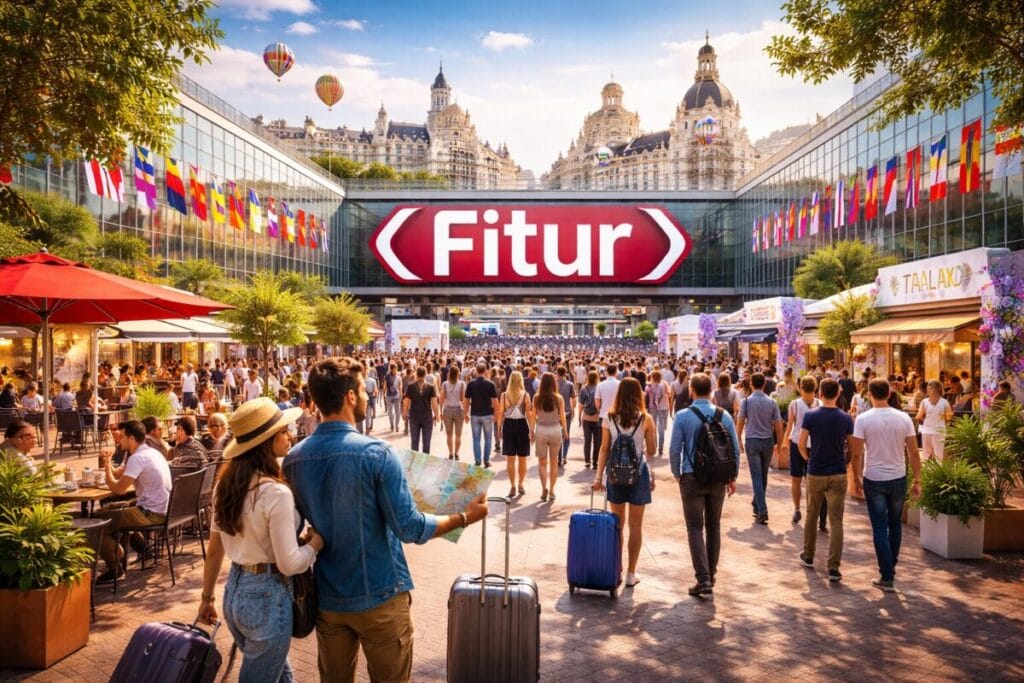
The upcoming FITUR Madrid 2026 tourism fair is not only expected to bring record attendance, but it is also revealing a profound shift in how global travelers plan and book their trips. According to new data examining hotel activity across the Community of Madrid during the January 19–25 event week, visitors are now securing accommodations more than two months before the fair begins. This advance planning marks a clear departure from past years and indicates a new era of strategic and experience-focused tourism behavior.
Event-driven travel has always been a vital segment of global tourism, but the timing of bookings has historically been compressed — with many attendees reserving rooms just weeks, or even days, before arrival. FITUR’s 2026 booking patterns overturn that trend. Analysts attribute this shift to multiple factors, including travelers’ desire for convenience, better room options, and favorable pricing during high-demand periods.
Booking Lead Times Surge as Travelers Plan Ahead
Data for FITUR 2026 shows that the average lead time for hotel reservations has reached 69 days. In comparison, the average booking lead time in 2024 was only 11 days, rising to 17.5 days in 2025. The sixfold increase between 2024 and 2026 illustrates a decisive behavioral shift among both leisure and business travelers attending industry events.
The extended lead time suggests that attendees are becoming increasingly proactive. Rather than waiting for last-minute discounts — a behavior common in the pre-pandemic landscape — travelers are now securing rooms early to avoid scarcity and inflated event pricing. Such planning is particularly relevant for FITUR, where global exhibitors, buyers, tourism boards, and media converge in significant numbers, often overwhelming local accommodation supply.
Higher Spending and Premiumization Trends Gain Momentum
In addition to earlier bookings, travelers appear more willing to invest in upgraded accommodations. The Average Daily Rate (ADR) for FITUR 2026 week has risen to €186, compared to €153 in 2024 — reflecting a 20 percent increase within two years. Analysts note that the rise in ADR is indicative of broader tourism “premiumization” trends, where travelers seek hotels with enhanced amenities, convenience, and experiential value rather than simply opting for the lowest price.
For Madrid’s hotel sector, the uptick in ADR suggests renewed confidence in the city’s tourism strength, particularly as Spain continues to rank among the world’s leading tourism destinations. FITUR plays a major role in the country’s tourism ecosystem by connecting buyers and suppliers, promoting global destinations, and spotlighting industry innovation.
Longer Stays Reflect Blended Business and Leisure Travel
Another notable development is the extension of average length of stay. In 2024, FITUR attendees booked an average of 2.7 nights; in 2026, the average stay has increased to 4 nights. This extension implies that the event is no longer perceived purely as a work trip. Instead, attendees are blending business activities with leisure exploration — a growing trend known as “bleisure” travel.
Madrid stands to benefit significantly from this shift, with extended stays driving increased spending on dining, cultural experiences, shopping, and regional excursions. Travelers who once would have flown in and out for meetings are now taking time to explore the city’s museums, gastronomy, neighborhoods, and historical attractions.
Travel Industry Observers Note a Structural Shift
Industry observers emphasize that these behavior changes are not temporary fluctuations but part of a structural transformation in global travel planning. Executives monitoring the FITUR booking trends note that travelers are not only booking earlier and staying longer but also displaying greater willingness to pay for premium experiences. This combination signals a more discerning visitor profile that values preparation, quality, and efficiency.
Instead of reacting to demand at the last minute, hotels in Madrid will now need to anticipate bookings earlier in the cycle, manage inventory more strategically, and adjust pricing models to reflect the heightened competitiveness of major events.
Madrid’s Tourism Landscape Positioned for Strong Performance
The timing of these shifts is favorable for Spain. Official tourism forecasts project strong international arrivals in 2026, supported by cultural tourism, business events, and continued interest in Iberian gastronomy and heritage. Madrid, in particular, has emerged as a leader in urban tourism thanks to expanded museum offerings, enhanced transportation networks, and a growing reputation for dining and nightlife.
FITUR’s global reach plays a complementary role by attracting tourism decision-makers from more than 130 countries. For airlines, hotels, travel agencies, destination marketing organizations, and technology providers, the fair serves as a hub for trend-setting and industry negotiation.
Hotels Adapt to Capture Early Demand
With booking lead times accelerating, Madrid’s hotel operators will need to adjust revenue management strategies. Early-bird incentives, flexible cancellation policies, and segmented pricing will be key tools for capturing demand from travelers who now book months ahead instead of weeks. Meanwhile, the rise in ADR presents a strong opportunity for hotels to optimize yield during event periods.
A New Era for Event-Driven Travel Planning
FITUR Madrid 2026 stands as a clear milestone in the evolution of event-driven tourism. Earlier bookings, longer stays, and heightened spending behavior suggest that travelers are embracing more intentional planning, reflecting a maturing post-pandemic travel mindset.
For Madrid and for Spain’s broader tourism industry, these patterns point toward sustained growth, stronger event tourism performance, and greater economic impact per visitor — setting the stage for a new era in how major travel events shape global mobility.
For more travel news like this, keep reading Global Travel Wire