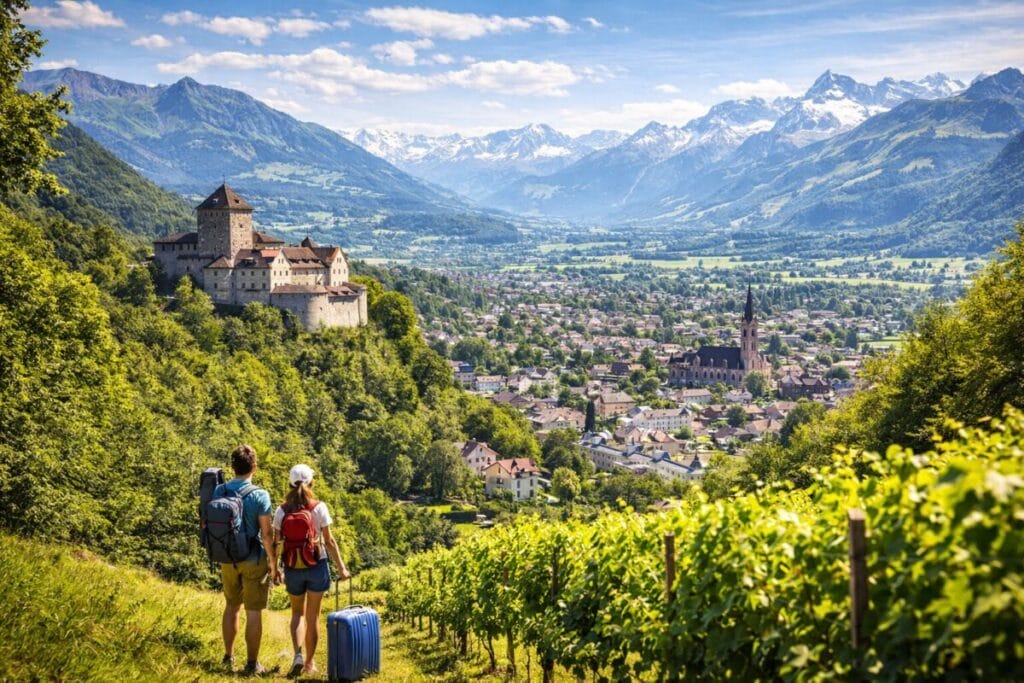
Liechtenstein, a tiny alpine principality nestled between Austria and Switzerland, is attracting renewed attention from global travelers seeking tranquility, culture, and natural beauty. Despite its modest size and population, Liechtenstein offers a rich travel experience that rivals larger European destinations—without the overwhelming crowds of major capitals. For 2026, tourism experts and travel planners are spotlighting the principality as one of Europe’s most compelling hidden gems.
With dramatic mountain landscapes, medieval castles, museums, and pristine alpine villages, the country blends outdoor adventure with cultural sophistication. Its location in the heart of Europe makes it an accessible and peaceful retreat for visitors who value slow travel and authentic local experiences.
A Haven for Outdoor Enthusiasts and Nature Lovers
Liechtenstein’s landscapes are defined by the Rhine River Valley on one side and the towering peaks of the Alps on the other. Outdoor recreation forms a major part of the country’s tourism appeal, with well-maintained hiking networks, cycling paths, and winter sports facilities catering to active travelers. The principality offers more than 400 kilometers of marked trails suitable for both seasoned hikers and casual walkers.
During the warmer months, visitors can trek through the lush Malbun region or follow panoramic ridge trails that overlook the Rhine and the Swiss Alps. Winter transforms the country into a compact alpine playground ideal for skiing, snowshoeing, and cross-country skiing. Unlike larger European ski resorts, Liechtenstein’s slopes retain a serene and intimate atmosphere appreciated by families and experienced skiers alike.
Travelers seeking slower experiences can opt for gentle riverside walks or explore vineyard routes that connect villages and farms. The focus on sustainability, outdoor wellness, and minimal environmental impact aligns strongly with rising global tourism trends.
Castles, Museums and Heritage at the Heart of the Principality
Liechtenstein’s cultural heritage adds a distinctive dimension to its tourism offering. Its most iconic landmark, Vaduz Castle, overlooks the capital city and serves as the residence of the princely family. While the interior remains private, the castle grounds and viewpoints provide sweeping vistas of the valley and mountains.
South of Vaduz, Schloss Gutenberg in Balzers stands as another imposing medieval fortress. Perched on a hilltop, the castle dates back centuries and offers visitors a glimpse into the region’s medieval history. It remains a favored site for cultural events and seasonal performances.
Cultural institutions further enrich the visitor experience. The Kunstmuseum in Vaduz showcases modern and contemporary art, while the National Museum provides historical context spanning archaeology, folklore, and state development. Liechtenstein’s dedication to preserving identity and heritage has won the principality acclaim among culture-focused travelers.
Quiet Luxury and a Sophisticated Ambience
Liechtenstein appeals strongly to travelers who appreciate refined yet understated luxury. Rather than dazzling with opulence, the principality excels at delivering comfort, quality, and calm. Upscale boutique hotels, spa retreats, and high-end guesthouses offer premium hospitality with a personal touch. Guests can expect attentive service, mountain views from private terraces, and access to wellness programs that blend alpine air with restorative treatments.
The country also hosts cultural events ranging from classical music concerts to seasonal exhibitions. These programs attract patrons of the arts and create an atmosphere of sophistication rarely found in destinations of similar scale.
Local Cuisine and Culinary Exploration
Liechtenstein’s cuisine reflects Central European influences, particularly Swiss and Austrian culinary traditions. Hearty mountain dishes share space with contemporary gastronomy, and dining venues range from rustic chalets to award-winning restaurants. Travelers can sample regional specialties such as cheese-based dishes, smoked meats, fresh alpine produce, and wines produced in the principality’s own vineyards along the Rhine.
Food tourism in Liechtenstein is growing steadily, supported by a focus on farm-to-table practices and seasonal ingredients. Culinary experiences often pair well with cultural excursions, making gastronomy an increasingly valuable pillar of the country’s tourism identity.
Strategic Location in the Heart of Europe
Despite its discreet international profile, Liechtenstein is conveniently positioned for travelers touring Central Europe. The principality is located within short driving distance of major hubs such as Zurich, Munich, and Innsbruck, making it an ideal extension to broader itineraries involving Switzerland, Austria, Germany, or Italy. This accessibility is further enhanced by efficient public transport options that connect visitors to alpine villages, museums, and hiking regions.
Increasing numbers of travelers are incorporating Liechtenstein into multi-country rail journeys, road trips, or alpine adventure routes. For those seeking to explore Europe’s quieter corners, the principality offers an appealing balance between remoteness and convenience.
An Alternative to Europe’s Crowded Tourist Hubs
As European tourism rebounds, major cities and resorts have once again become crowded during peak seasons. Liechtenstein offers a markedly different atmosphere. Its compact scale and absence of mass tourism infrastructure mean visitors can explore at a relaxed pace, connect with locals, and enjoy natural settings without congestion.
This “quiet luxury” positioning aligns with global tourism trends favoring wellness, authenticity, sustainability, and transformative travel experiences—especially among travelers seeking to disconnect from fast-paced urban environments.
Conclusion: A Small Country With Outsized Appeal
Liechtenstein may be one of Europe’s smallest nations, but it offers immense value for travelers seeking culture, nature, and serenity. From alpine trails and medieval castles to art museums and boutique hotels, the principality delivers a blend of refinement and authenticity that is often overlooked on the European tourism map.
For those planning 2026 travel within Europe, Liechtenstein stands out as a destination where heritage and nature coexist harmoniously—and where visitors can enjoy tranquility without sacrificing comfort or sophistication.
For more travel news like this, keep reading Global Travel Wire