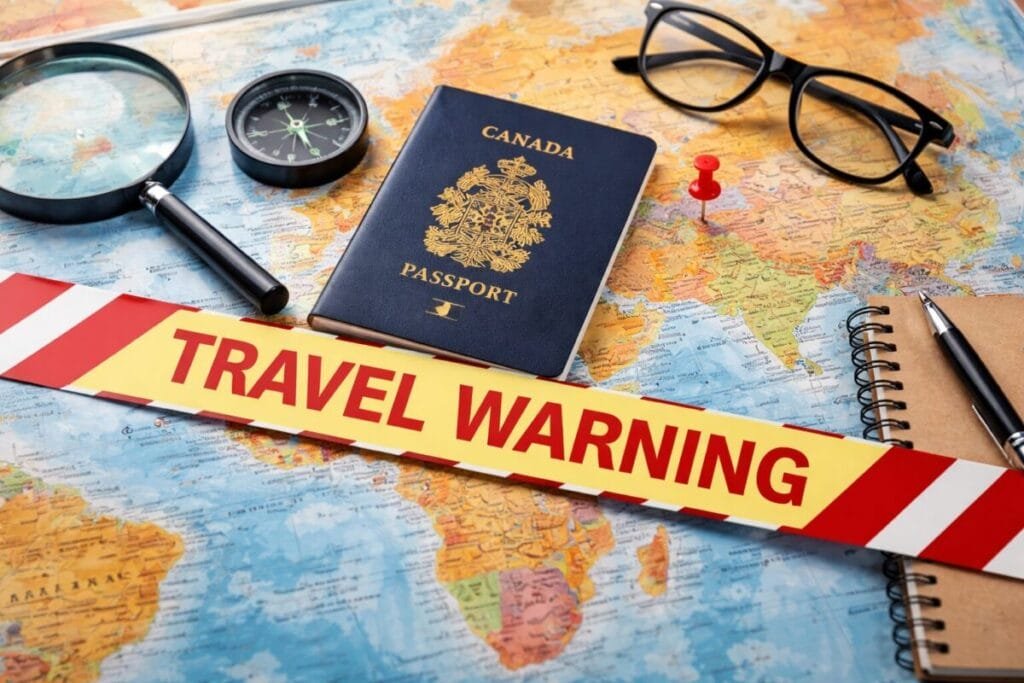
Canada has issued expanded travel warnings for more than fifteen countries in early 2026. The alerts cite surging political tensions, mass protests, armed conflict, terrorism threats, and collapsing public services. This update aims to protect Canadian citizens and guide tourism decisions in a rapidly shifting global landscape.
Government officials have stressed that the updated advisories focus on prevention. Many countries on the list have experienced fast changes in political control, disrupted transportation networks, and limited embassy support for foreign nationals.
Countries Under ‘Avoid All Travel’ Advisory
The most severe alert applies to nations where violence, arbitrary detention, and civil conflict pose extreme risks. These destinations include:
- Iran
- Venezuela
- Somalia
- Sudan
- Russia
- Niger
- Mali
- Libya
- South Sudan
- Iraq
- Yemen
- Burkina Faso
- Belarus
- Afghanistan
- Ukraine
- Haiti
- Myanmar
- North Korea
Many of these countries face active armed conflict or insurgency. Others show sharp political crackdowns, unstable governance, collapsed infrastructure, or widespread shortages of electricity, food, and fuel.
Case Focus: Iran
Iran remains one of the highest-risk destinations flagged for 2026. Demonstrations, anti-government protests, and mass arrests continue in major cities. Foreign nationals may face travel restrictions, questioning, and detention. Air travel disruptions also complicate evacuation planning. Travelers who remain in Iran are urged to find safe exit routes and maintain constant communication with family and consular contacts.
Case Focus: Venezuela
Venezuela’s security climate continues to deteriorate. Crime rates are severe, and foreign nationals have faced arbitrary detention. Food and medicine shortages have strained daily life. Military activity earlier this year escalated tensions in Caracas and neighboring regions, adding risk for travelers.
Case Focus: Somalia
Somalia remains extremely dangerous. Local authorities continue to confront domestic terrorist groups, armed militias, and unpredictable attacks in urban hubs. Canada also lacks a diplomatic presence inside the country, which makes emergency assistance unlikely. Even planned tourism or business travel is not advised.
Countries Under ‘Avoid Non-Essential Travel’ Advisory
Canada also placed several countries under a second tier advisory. The warning targets destinations where serious risks exist but are more localized or limited to specific regions. These countries include:
- Nepal
- Ethiopia
- Burundi
- Chad
- Democratic Republic of Congo
- Eritrea
- Lebanon
- Mauritania
- Nigeria
- Papua New Guinea
Travel remains possible, but tourists should prepare for sudden curfews, airport shutdowns, or communications failures. Localized conflicts and natural hazards such as earthquakes, flash floods, and drought contribute to the heightened caution.
Regional Advisory: India
India is widely considered safe for tourism. However, Canada has marked several zones for heightened caution due to security pressures and political friction.
- Assam and Manipur: Violent clashes and protests have occurred intermittently.
- Jammu and Kashmir / Ladakh: Marked under “avoid all travel” due to militant activity and terrorism concerns.
- Border Regions near Pakistan: Some parts of Gujarat, Punjab, and Rajasthan contain unexploded ordnance from past military conflicts.
India remains a major global travel hub, so travelers are encouraged to review local advisories before planning itineraries.
Impact on Global Tourism
Canada’s alerts influence both leisure tourism and corporate travel. International booking platforms have reported a shift toward stable destinations with strong medical infrastructure and predictable entry rules. Countries in Western Europe, East Asia, and the South Pacific show steady demand as travelers look to avoid uncertainty.
Tourism experts note that the warnings may disrupt tourism-dependent economies. Iran, Venezuela, and parts of East Africa historically welcomed cultural explorers and adventure travelers. Reduced arrivals may strain local workers and tour operators who rely on foreign spending.
Safety Planning for Travelers in 2026
Canadian citizens who proceed with travel to high-risk zones are urged to build thorough safety plans. Recommended measures include:
- Comprehensive travel insurance
- Emergency evacuation coverage
- Reliable communication tools
- Cash reserves and alternative payment methods
- Local news and government update monitoring
- Pre-arranged transportation and accommodations
Travelers with medical conditions should confirm access to hospitals, pharmacies, and emergency care before departure. In some high-risk countries, specialized care may be extremely limited.
Growing Tensions in the Global Landscape
International relations remain strained across multiple continents heading into 2026. Territorial disputes, elections, and power shifts contribute to uncertainty. Terrorism threats, cybersecurity interference, and misinformation campaigns also elevate risk for foreign visitors.
Canada has reiterated that travel advisories are not travel bans. However, officials stress that citizens should weigh leisure travel against evolving hazards and potential difficulty returning home during crises.
Outlook for the Year Ahead
As 2026 progresses, more countries may see upgraded or downgraded advisories depending on reforms, ceasefires, elections, or peacekeeping efforts. For now, Canadian travelers are encouraged to stay informed, prepare early, and consider alternate destinations that offer cultural appeal without security concerns.
For more travel news like this, keep reading Global Travel Wire