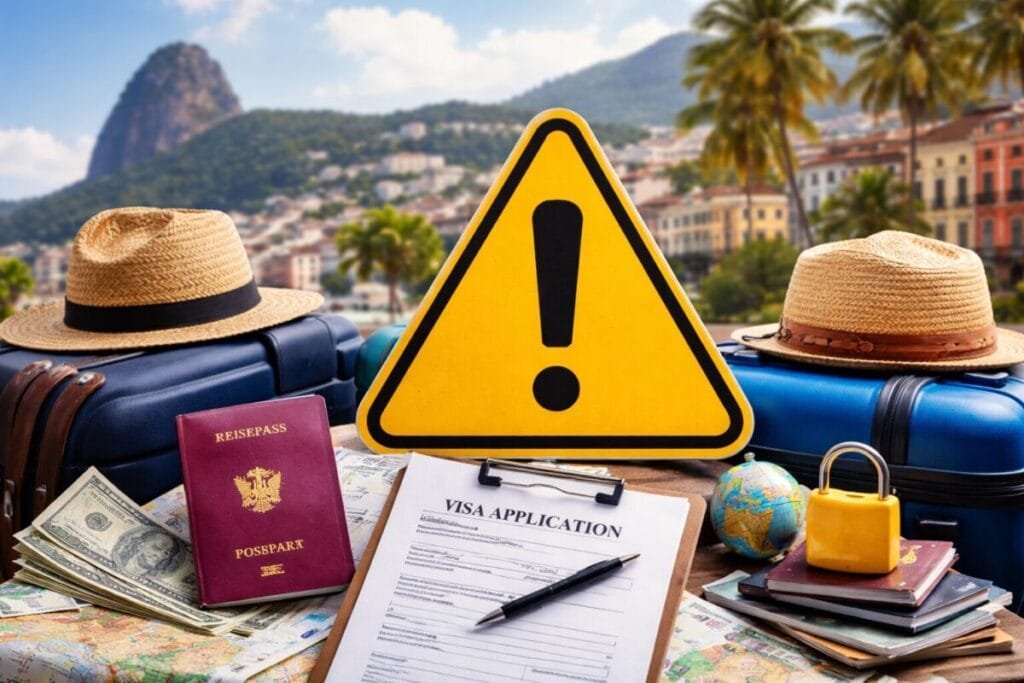
Tourism across Latin America is entering a turbulent phase. Germany has issued updated travel advisories for several countries in the region, citing higher security risks, stricter immigration rules, and more complex tax and visa processes. The alerts cover major destinations including Brazil, Costa Rica, Mexico, Argentina, and Chile, all known for their scenic attractions and cultural richness.
Germany’s Foreign Office noted an increase in obstacles for tourists. These include longer visa processing times, identity verification delays, and new tax policies affecting foreign travelers. Rising street crime and civil unrest in specific urban areas have also contributed to the heightened precautions.
Brazil: Security Cases Rise as Tax and Visa Barriers Grow
Brazil, a regional tourism leader, is facing growing crime incidents in major cities. Rio de Janeiro, São Paulo, and Salvador have recorded increases in robberies and assault cases targeting both residents and visitors. Night travel in isolated districts is discouraged, and tourists are urged to use licensed transportation options.
Brazil has also adopted more complex customs and tax rules. Travelers face stricter declarations and higher taxes on imported personal items. Slow visa approvals and identity checks are causing delays for business visitors, students, and long-term travelers. Tourist hotspots such as Copacabana and Ipanema continue to report pickpocketing and card fraud cases, making vigilance essential.
Costa Rica: Eco-Tourism Hub Faces Crime Spike
Costa Rica remains a popular eco-tourism destination. Yet, the country has reported a rise in petty theft and bag snatching in San José and several coastal regions. Tourists are urged to carry limited cash and avoid sharing travel plans in public spaces.
Taxi scams are another growing concern. Reports indicate that unlicensed drivers target travelers near transport terminals. Visitors are advised to rely on official taxi lines or app-based services. Organized crime has triggered sporadic violence in parts of the Caribbean region, leading to cautionary guidelines for certain routes.
Mexico: Tourist Demand Overshadowed by Security and Political Tensions
Mexico consistently ranks among the most visited countries in the world. However, cartel-linked violence continues in regions near the U.S. border and select Pacific and Gulf states. Germany’s advisory warns against travel after dark in certain municipalities with documented criminal activity.
Political demonstrations are also shaping tourism mobility. Large protests in Mexico City and other major metros disrupt road travel and local transport. While most protests are peaceful, clashes can occur when marches intersect with criminal elements or heavy policing. A rise in digital extortion cases known as “virtual kidnappings” has also prompted warnings for tourists to limit personal information exposure online.
Argentina: Protests and Crime Add Pressure on Tourism Operations
Argentina’s tourism sector faces challenges linked to economic volatility. Inflation, currency shortages, and sporadic labor strikes are affecting local transportation networks. Roadblocks and delayed flights have occurred during national protest days, often overstretching emergency services.
Tourists have reported more theft incidents in Buenos Aires, especially around La Boca, San Telmo, and transport hubs. Express robbery cases involving brief abductions for cash withdrawals have also surfaced. Visitors are advised to avoid isolated streets at night and use registered taxis or ride-share services. Currency exchange scams remain common, pushing travelers toward official exchange points or banks.
Chile: Stability Tested by Protests and New Entry Controls
Chile has long projected an image of stability in the region. However, recent social protests related to economic reform and political change have led to clashes with law enforcement in parts of Santiago and Valparaíso. Germany’s advisory recommends avoiding large gatherings, especially when demonstrations coincide with public holidays or elections.
Chile has also introduced more detailed visa and biometric procedures. Foreign nationals applying for study or work permits face longer wait periods and additional document requirements. Public spaces, including transit zones and tourist sites, are reporting more pickpocketing cases, prompting safety reminders for visitors.
A Broader Trend: Tax Reforms, Visa Delays, and Identity Controls
A shared trend across Latin America is the tightening of border and immigration standards. Germany notes that several countries now demand proof of funds, confirmed onward travel, and in some cases mandatory health insurance. Biometric identity systems are expanding, increasing document checks at airports and land crossings.
Tax reforms also impact travelers. Customs duties on electronics, alcohol, and luxury items have risen in select countries. Business travelers face new reporting standards and, in some cases, digital tax compliance requirements.
These government measures aim to boost transparency, combat smuggling, and enhance national security. However, they add layers of complexity for tourism operators and visitors navigating the region.
Tourism Outlook: Caution and Prepared Planning Needed
Despite the warnings, tourism authorities across Latin America continue to promote travel and cultural exchange. Their campaigns highlight national parks, beaches, heritage sites, and gastronomic tourism. Travel analysts expect demand to remain strong, especially during holiday seasons, but note that tourists must prepare more thoroughly than in past years.
Germany encourages travelers to stay informed through updated advisories, avoid high-risk districts, secure valuables, and verify local visa rules before booking flights.
Tourism experts believe the region will adapt once reforms stabilize. However, for now, the new travel landscape demands heightened awareness and planning.
For more travel news like this, keep reading Global Travel Wire