The global cruise industry has returned to the spotlight as travel demand strengthens, but financial shifts behind the scenes are creating new conversations about the future of cruising. A recent move by Meeder Asset Management to reduce its holdings in Royal Caribbean Cruises Ltd. has attracted attention from investors, analysts, and travel enthusiasts. While such news often circulates in financial circles, travelers are increasingly interested in how these decisions might influence ticket pricing, ship offerings, and vacation experiences over the next few years.
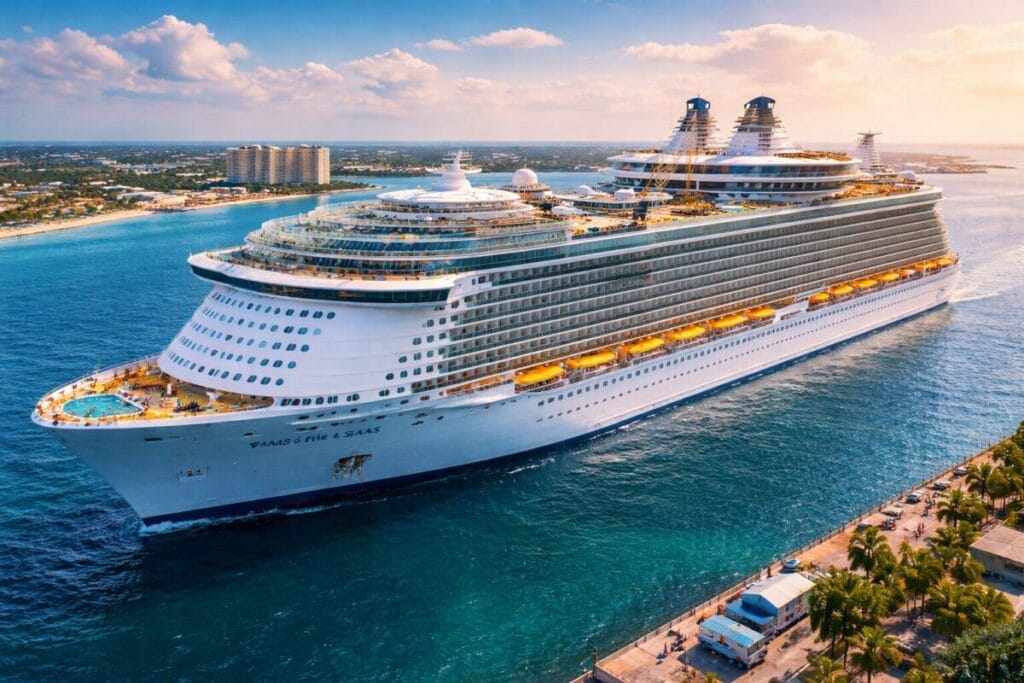
Royal Caribbean is one of the largest and most recognized cruise operators in the world, with a reputation for introducing innovative vessels, premium onboard entertainment, and expansive global itineraries. As a result, any sign of changing investor confidence can have broader implications for the travel sector. Although the reduction of holdings by Meeder Asset Management does not indicate an immediate crisis, it raises questions about how financial markets perceive the cruise industry’s long-term performance and resilience.
Financial Movements and What They Mean for the Cruise Sector
Institutional investors adjust portfolios for a variety of reasons, ranging from shifts in market sentiment to portfolio rebalancing or concerns about sector risk. For cruise operators, financial performance remains closely tied to global economic conditions, fuel pricing, travel regulations, and consumer behavior. Rising operational expenses, workforce shortages, and inflationary pressures have challenged operators in recent years, even as demand for leisure travel remains robust.
Royal Caribbean, like other major cruise lines, spent years recovering from the shutdowns and travel restrictions that disrupted the industry. While passenger bookings have surged since the reopening of global tourism, the company still faces high capital costs tied to ship construction, fleet maintenance, and port infrastructure. These financial realities can affect the sentiment of investors who may be evaluating long-term profitability.
The stock market’s volatility also plays a role. Global markets have experienced fluctuations driven by interest rate changes, geopolitical tensions, and shifting consumer spending. During these periods, institutional investors often review holdings in industries viewed as discretionary — including travel — and adjust exposure based on their outlook.
Possible Effects on Cruise Travelers: Pricing, Packages, and Experience
For travelers, one of the most significant questions is whether financial pressure could lead to changes in pricing. If cruise operators face higher borrowing costs or seek to strengthen their financial position, ticket pricing could gradually increase. Travelers may also see adjustments in the cost of specialty dining, excursions, beverage packages, and premium onboard experiences.
In certain scenarios, companies may focus more heavily on routes or ship deployments that yield the highest profit margins. This could mean prioritizing popular destinations such as the Caribbean, Mediterranean, or Alaska, while scaling back on less profitable itineraries. While this might limit niche offerings, it could also result in more refined and higher-quality cruise products in core markets.
However, financial caution does not always translate into weaker customer experiences. Cruise lines may shift resources toward improving guest satisfaction to maintain their competitive edge. Enhanced loyalty programs, bundled fares, and promotional pricing could emerge as tools to keep cabins full and attract repeat passengers.
Competitive Dynamics Could Benefit Passengers
The global cruise market is highly competitive, with multiple operators vying for passengers through new ships, themed voyages, eco-friendly designs, and expanded destinations. If Royal Caribbean adjusts its pricing strategy or itineraries due to investor pressure, other cruise lines may respond with attractive incentives to capture additional market share. For travelers, this could mean discounted fares, added amenities, or seasonal promotions.
A sustained competitive environment can also encourage technological innovation and higher service standards. In recent years, cruise lines have introduced features such as wearable technology, faster embarkation processes, upgraded culinary offerings, and improved private island destinations — all designed to strengthen the value proposition for travelers.
Traveler Confidence and Booking Considerations
Travelers who have already booked sailings generally have little reason for concern. Cruise itineraries, ship operations, and customer services continue as planned regardless of fluctuations in investor holdings. The cruise sector has shown resilience through economic cycles, supply chain challenges, and regulatory shifts, demonstrating strong passenger demand and brand loyalty.
For those considering future voyages, it may be beneficial to monitor seasonal deals and booking windows. Historically, the cruise industry offers some of its best promotions during wave season — typically the first quarter of the year — and during periods of heightened competition.
Broader Outlook for 2026 and Beyond
The long-term travel outlook remains strong. Cruise tourism continues to be one of the fastest-growing segments in leisure travel, with expanding passenger demographics that include families, retirees, multigenerational groups, and younger travelers seeking immersive experiences. Governments in major cruise destinations have invested in port expansions and tourism infrastructure, signaling confidence in the sector’s continued growth.
While investor adjustments such as those made by Meeder Asset Management introduce interesting variables, they do not define the trajectory of the cruise market on their own. Royal Caribbean retains a solid position through its global brand presence, large fleet, innovative ship designs, and high guest satisfaction ratings.
Final Thoughts
In short, the reduction of holdings by Meeder Asset Management highlights market considerations but does not indicate imminent changes to the cruise experience. Travelers may see shifts in pricing or itinerary strategy in the future, but competition, pent-up travel demand, and new ship launches continue to fuel optimism within the sector. As 2026 approaches, the cruise market remains a dynamic part of global tourism, offering diverse itineraries and evolving experiences for passengers worldwide.
For more travel news like this, keep reading Global Travel Wire