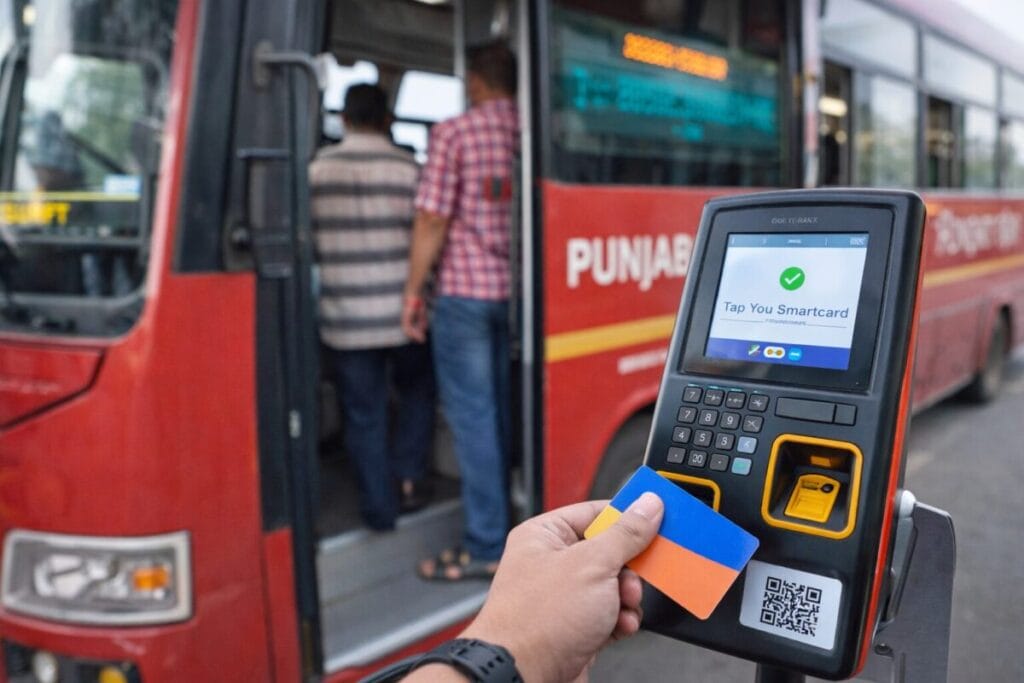
In a major stride toward building smarter, more commuter-friendly travel systems, Punjab has launched a comprehensive digital upgrade of its state-run bus services. The new initiative includes the deployment of electronic ticketing machines, smart cards for passengers, and GPS-enabled real-time tracking—marking a pivotal shift from cash-based, manual systems to a tech-driven public transport model.
This transformation is part of India’s broader push to integrate digital solutions into public infrastructure. Punjab‘s initiative promises to deliver greater convenience, transparency, and reliability to millions of daily passengers traveling across urban centers and remote rural areas.
Digital Ticketing: Moving Beyond Cash and Queues
At the core of this public transport overhaul is the introduction of electronic ticketing machines across all state-operated buses. These machines support a range of digital payment options including QR code payments, Unified Payments Interface (UPI), debit/credit cards, and even offline payments for regions with limited connectivity.
By offering a broad array of payment methods, the system aims to eliminate long queues, reduce dependency on cash, and speed up the ticketing process—especially critical during peak travel hours. This also makes buses more accessible for a growing population of mobile-savvy citizens who already rely on digital wallets and contactless transactions for daily purchases.
GPS-Enabled Buses: Real-Time Tracking and Route Visibility
In addition to digital ticketing, GPS integration across the bus fleet will enable real-time bus tracking. Commuters will be able to check live bus locations, identify nearby stops, and monitor service availability via mobile apps or transit displays.
This shift promises to ease one of the most frustrating elements of public transportation—uncertainty. With access to real-time updates, passengers can better plan their trips, reduce waiting times, and make more informed travel decisions. For students, workers, and daily commuters, this change is expected to significantly improve the predictability of their journeys.
Smart Cards for Seamless and Inclusive Travel
The introduction of smart travel cards is another cornerstone of the new system. These reloadable cards will serve as digital wallets for passengers, allowing seamless boarding without the need to purchase paper tickets. They also support integration with existing social welfare travel schemes.
Women eligible for free travel under state-run initiatives will now be issued smart cards, maintaining their entitlement with added dignity and convenience. Similarly, students can recharge their smart cards online, reducing the need to visit counters and ensuring uninterrupted access to education-related travel.
Tourists visiting Punjab will also benefit from this innovation. With smart cards accepted across the entire bus network, visitors can navigate local routes without confusion over fares or language barriers, making travel more welcoming for domestic and international guests alike.
Better Planning Through Data-Driven Transport
From an operational standpoint, these changes offer more than just convenience—they unlock powerful new tools for transit planning and management. With every digital transaction and GPS ping, the transport system collects real-time data on passenger flows, route performance, and service utilization.
This data-driven approach allows transport authorities to make informed decisions. Overcrowded routes can be identified and reinforced, underused services can be re-evaluated, and underserved areas can be targeted for improved access. Over time, the system will evolve based on actual usage patterns rather than estimations—leading to smarter, more efficient public transport planning.
Operational Efficiency and Environmental Impact
The digital transformation of bus services is also expected to improve operational efficiency. Automated ticketing reduces paperwork and manual cash handling, lowering the risk of revenue leakage while increasing accountability. Conductors can focus more on safety and passenger assistance rather than handling transactions.
Environmentally, the shift away from paper tickets contributes to sustainability. Faster boarding reduces idling times, improving fuel efficiency and lowering emissions—a small but significant step toward greener transport.
Transforming the Rural Commute
While the benefits of digital travel systems are often associated with urban centers, Punjab’s rollout extends across rural areas too. In many parts of the state, public buses are the only reliable mode of transport. By bringing real-time tracking, digital payments, and smart card access to these regions, the government is narrowing the urban-rural divide in mobility infrastructure.
Access to accurate travel information can be life-changing in remote areas, where uncertainty over bus timings often leads to missed appointments, disrupted school schedules, or lost workdays. With the new system in place, even passengers in small villages can plan ahead with confidence.
Looking Ahead: A Blueprint for Future Mobility
Punjab’s adoption of digital ticketing and smart travel solutions sets a compelling example for other Indian states. It demonstrates how relatively low-cost technological upgrades can dramatically improve public services, increase accessibility, and boost user satisfaction.
The integration of mobile apps, real-time data, and cashless payments aligns with India’s national vision of building a Digital India—where public infrastructure evolves to meet the needs of a rapidly changing population.
As the system rolls out across the state, continuous feedback from commuters and operators will help refine and expand its features. With strong implementation and public awareness, Punjab’s new transport model has the potential to become a benchmark in modern mobility management.
Conclusion: Toward a Smarter, More Reliable Travel Experience
Punjab’s transition to a digital public transport ecosystem marks a transformative moment for mobility in the state. By combining technology with inclusivity and accessibility, the initiative elevates public buses into a modern, efficient, and dependable travel option. For passengers across demographics—whether students, working professionals, rural residents, or tourists—the travel experience in Punjab is now set to become more streamlined, safer, and smarter than ever before.
For more travel news like this, keep reading Global Travel Wire