Busan is preparing for one of the most anticipated tourism events of 2026 as global supergroup BTS returns to the stage for two major concerts on June 12 and 13. With tens of thousands of domestic and international fans expected to visit the coastal city, authorities have announced a series of measures designed to prevent accommodation price gouging and protect visitors from unfair business practices. These efforts signal Busan’s broader commitment to becoming a more transparent and tourist-friendly destination as it prepares for a wave of concert-related travel.
Safeguarding Tourists Ahead of a Major Tourism Surge
Whenever major cultural events take place, destination cities often face a spike in demand for accommodation, transportation, and hospitality services. In some cases, rate surges can exceed reasonable market adjustments, leading to accusations of exploitation and damaging the city’s tourism reputation. Busan experienced such criticism following previous large-scale events, including an earlier BTS performance that saw extreme hotel price increases. Learning from that experience, Busan is now prioritizing fairness and affordability to ensure that concertgoers enjoy a positive and memorable stay.
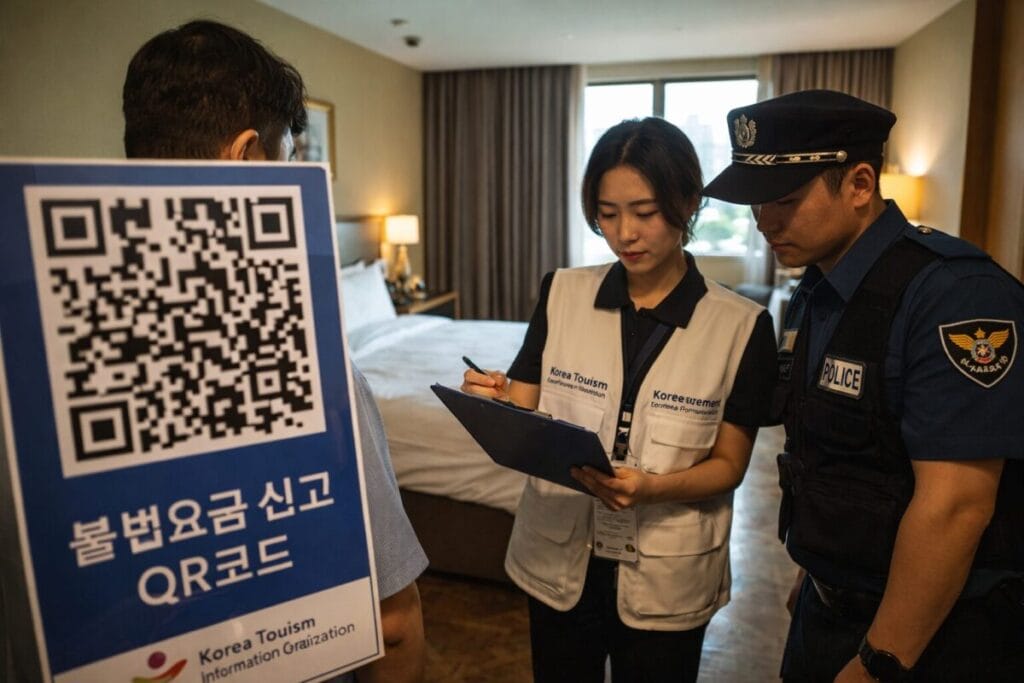
The city’s newest measure is the introduction of a QR-based reporting system that allows visitors to report potential cases of hotel overcharging in real time. The system empowers tourists by creating a direct channel for consumer protection and price oversight. Upon scanning the code, visitors can submit price complaints that will automatically be forwarded to the Korea Tourism Organization and relevant authorities for review. Promotional materials, posters, and digital banners have been distributed across the city to raise awareness of the program among both domestic and international travelers.
Inspections Strengthen Enforcement and Accountability
To reinforce these digital reporting tools, Busan is also deploying on-site inspection teams to monitor compliance during the concert period. Joint teams consisting of local district representatives and municipal officials will visit accommodations flagged through the reporting system and evaluate whether properties are adhering to business guidelines. Violations such as extreme markups, reservation manipulation, or refusal to honor confirmed bookings will be recorded and may influence the accommodation provider’s rating evaluations.
These inspection efforts are intended not only to enforce regulations but also to send a strong message to the travel sector that inflated pricing strategies will not be tolerated during high-profile events. Transparent pricing plays an increasingly important role in tourism competitiveness, and Busan’s actions demonstrate a commitment to supporting travelers at a time when global tourism recovery continues to strengthen.
The Problem of Price Inflation in Event Tourism
The concerns surrounding price gouging are not unfounded. Hotel prices in districts such as Haeundae and Suyeong have risen significantly due to the upcoming BTS concerts, with certain room types more than doubling in price. Some accommodations that typically charge under 300,000 KRW per night have been listed at rates above 700,000 KRW for the concert dates. This practice has generated public frustration and amplifies broader discussions surrounding event tourism and pricing ethics.
Excessive pricing during large events is not unique to Busan; destinations worldwide face similar challenges during major festivals, sporting events, and concerts. In 2026 alone, South Korea is expected to benefit from an upswing in cultural tourism due to increased concert activities, global fan tourism, and MICE-related travel. Ensuring that tourism remains accessible and affordable is vital to sustaining long-term industry growth rather than short-lived commercial gains.
Government Response and National-Level Discussion
The issue has drawn attention at the national level as well, leading political leaders to publicly criticize exploitative pricing practices. Concerns have been raised that price gouging undermines consumer trust and harms South Korea’s image as a welcoming tourism destination. Calls for stronger penalties and greater regulatory oversight have added urgency to discussions about how best to protect visitors and maintain a fair market environment during major cultural events.
These conversations reflect a broader governmental push toward improving visitor experience and tourism sustainability. Fair pricing practices, clear consumer rights, and consistent regulation are increasingly seen as core elements of responsible tourism management—not only during concerts but also during peak travel seasons and international events.
Promoting Affordable Accommodation Alternatives
In addition to regulatory measures, Busan City is taking proactive steps to reduce concentrated demand in high-priced districts by promoting alternative accommodations in other neighborhoods with transit access to the concert venues. Through targeted marketing campaigns across social media and tourism channels, the city is encouraging travelers to consider surrounding districts that offer more stable pricing and convenient transportation options.
This strategy supports more balanced tourism distribution and helps reduce pressure on the most popular waterfront areas. It also enhances visitor experience by offering broader choices and encouraging exploration beyond typical tourist corridors.
Reinforcing Busan’s Tourism Reputation
Mayor Park Heong Joon has reiterated Busan’s commitment to ensuring that the BTS concerts are remembered positively by fans and residents alike. Authorities have pledged to leverage administrative tools to support fair tourism practices and safeguard the interests of both visitors and local businesses. By taking a firm stance against price gouging, Busan aims to enhance its reputation as an international cultural destination and strengthen its tourism appeal ahead of future mega-events.
Toward a More Transparent Tourism Environment
The city’s efforts highlight an important shift in how destinations manage tourism surges associated with major entertainment attractions. The combination of digital reporting, on-site inspection, visitor guidance, and regulatory pressure showcases a comprehensive model for protecting tourists while supporting sustainable industry growth.
As the concerts draw nearer, Busan’s proactive measures may serve as a case study for how cities can maintain a fair travel environment during peak demand. By prioritizing transparency, accessibility, and consumer protection, Busan is signaling its readiness to embrace tourism growth without compromising visitor trust.
For more travel news like this, keep reading Global Travel Wire