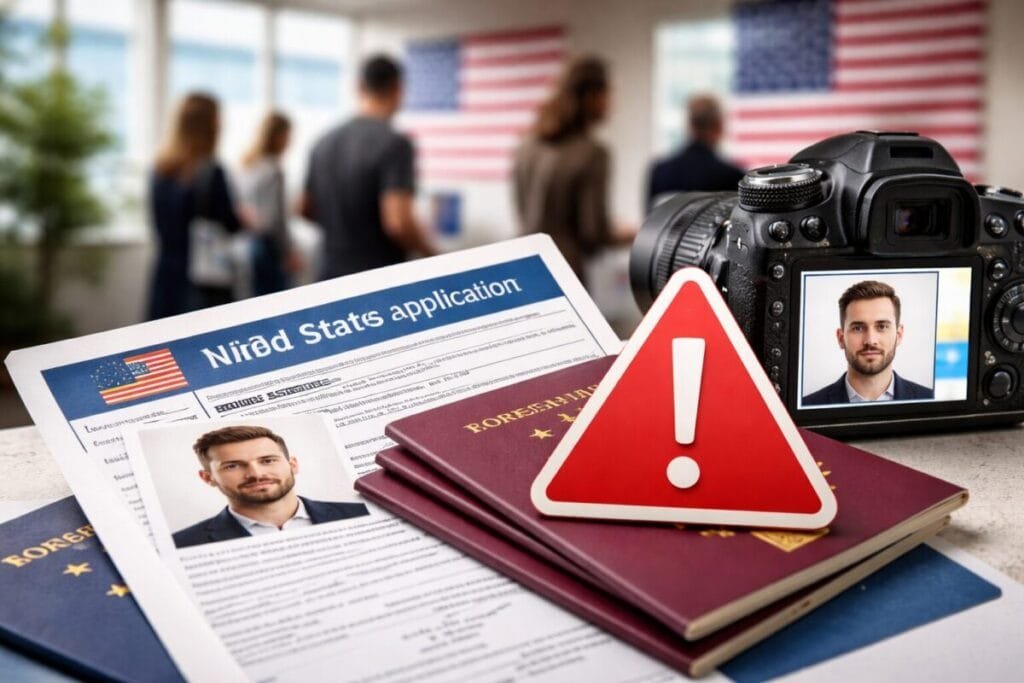
Ireland has joined France, Poland, Spain, Italy, Switzerland, Portugal, and dozens of other European nations in facing new travel disruptions. The U.S. government has implemented a three-year photo rule for immigration applicants. This rule ends the previous allowance that enabled photos to remain valid for up to ten years. The U.S. also ended the option for self-submitted photos. Applicants now must schedule appointments for biometric photos at government facilities. These changes affect travelers in the tourism, work, study, and family migration categories.
The U.S. aims to tighten identity verification standards within its immigration system. This shift reflects a broader global trend toward biometric screening and digital identity control. Europe now feels the consequences of these changes due to strong travel flows between Europe and the United States.
Why the New Rule Matters for European Travelers
European applicants seeking U.S. immigration benefits must now ensure that their photos remain less than three years old. Anyone holding photos older than that threshold must attend a new biometric session. This rule impacts visa applicants, Green Card holders, work permit seekers, and citizenship applicants.
Ireland, France, and Poland maintain large numbers of U.S. visa applicants each year. Spain, Italy, Switzerland, and Portugal also rank high due to steady tourism and family migration patterns. The new rule increases scrutiny during the application process and lengthens processing timelines for many European travelers.
Elimination of Self-Submitted Photos Adds Complexity
The U.S. decision to eliminate self-submitted photos has created new obstacles for applicants. Photos now require controlled capture environments. Applicants must comply with strict biometric standards. They must also attend appointments at Application Support Centers. This step ensures that image data matches government criteria for facial recognition accuracy.
Travelers now face longer timelines for obtaining U.S. immigration benefits. They must secure appointments at authorized locations. They must also align these appointments with broader travel timelines. Tourism professionals note that many travelers now adjust trip dates to complete biometric steps before departure.
Impacts Across Forty-Four European Countries
The new policy applies to forty-four European countries. These include Ireland, France, Poland, Spain, Italy, Switzerland, and Portugal. It also covers the United Kingdom, the Nordic region, and Eastern European countries. Citizens from these countries now face similar travel hurdles. This rule affects both leisure travel and long-term relocation plans.
European consulates report increased inquiries after the rule change. Travel agents also note rising concern among tourists who booked U.S. trips for summer and holiday seasons. Countries with strong U.S. business travel ties such as Germany and the Netherlands now see increased demand for appointment scheduling support.
Longer Processing Times Shape Travel Behavior
Longer appointment queues may influence how Europeans plan travel. Tourists with urgent itineraries often seek premium appointments if available. Others extend their lead time before trip planning. This shift benefits organized travel agencies that offer immigration and documentation services. Independent travelers now invest more time in research to avoid delays.
Tourism analysts predict that longer processing timelines may reduce spontaneous U.S. trips among European tourists. Trips tied to business, reunions, and events may also require stronger scheduling discipline.
Identity Verification and Security Concerns Drive the Policy
The U.S. government aims to enhance identity accuracy during immigration processing. Officials claim that older photos make verification difficult. Facial features change over time and reduce recognition accuracy. Fresh biometric data improves fraud detection and reduces misidentification errors. Global security concerns have also driven governments to tighten documentation rules. The U.S. follows similar biometric trends in Canada, Australia, and the United Kingdom.
European Applicants Must Prepare for New Requirements
European applicants now must check the date of their last biometric session. If more than three years have passed, they must schedule a new session. They must also prepare for longer processing timelines. They should also expect stricter documentation verification and additional identity checks.
Travel experts advise applicants to confirm application timelines before making travel bookings. Airlines observe no ticketing impact yet, but they expect increased schedule changes during peak travel seasons.
Tourism Sector Responds to Disruptions
U.S. national parks, museums, and major tourism cities attract millions of European visitors each year. New York, Los Angeles, Miami, Chicago, Las Vegas, and Orlando attract strong tourism flows. Tourism boards now monitor whether the new rule influences European arrival volumes. The United States remains a top long-haul destination for Irish, British, German, Italian, and French tourists.
Travel companies began offering advisory packages to support documentation planning. These services include biometric scheduling assistance, pre-travel checklists, and document verification support. College recruiters and cultural exchange programs also inform students of the new rules due to increased application scrutiny.
What European Travelers Should Do Now
Applicants should act early. They should schedule biometric appointments months before travel. They should verify document validity dates. They should monitor updates from U.S. immigration authorities. They should also prepare for possible rescheduling or administrative delays during peak seasons.
A New Era of Stricter Immigration Protocols
The U.S. photo policy signals a new era for immigration and travel administration. Identity verification now plays a central role in travel policy worldwide. Ireland and major European nations will adapt to these standards as biometric travel becomes normal. Travelers who prepare early will continue to enjoy smooth access to U.S. destinations.
For more travel news like this, keep reading Global Travel Wire