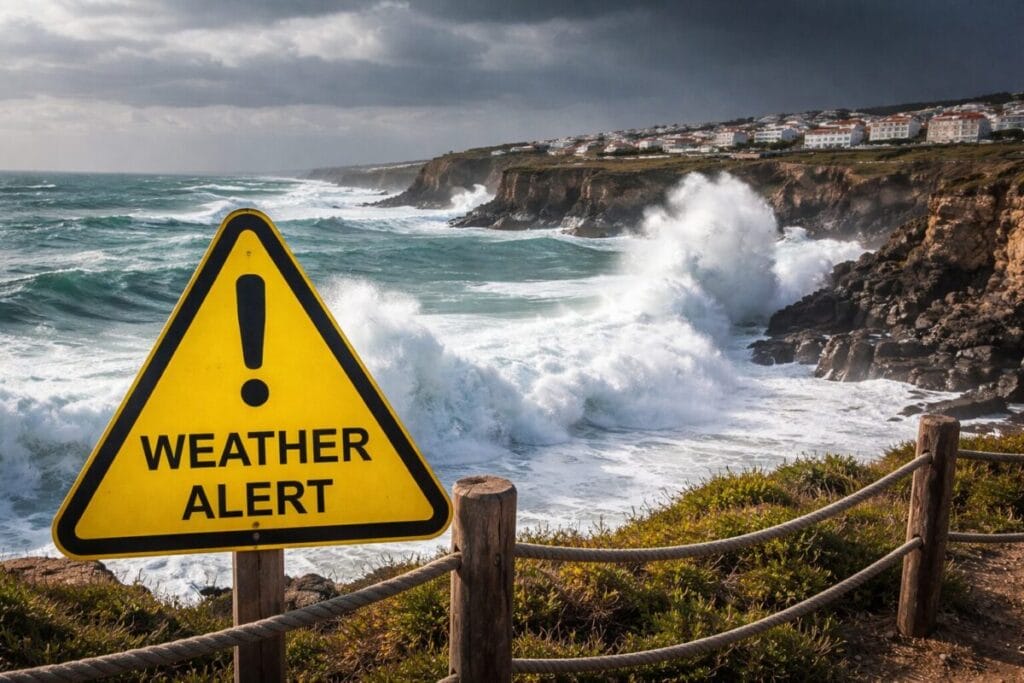
Portugal’s iconic Atlantic coastline is under a yellow weather warning due to rough seas and high waves from January 20 to 21, 2026. The Portuguese Institute for the Sea and Atmosphere (IPMA) forecasts powerful north-west swells reaching 4 to 5 meters, posing risks for coastal activities and travel plans. The alert affects ten mainland districts, including popular tourist hubs known for their beaches and seaside culture.
The yellow alert signals that weather conditions may impact regular activities, including marine and coastal tourism. Travelers and locals should expect rough surf and take precautions before heading to beach areas.
What the Yellow Warning Means for Visitors
A yellow warning is the lowest level in the IPMA system but still highlights potential hazards. It indicates that sea conditions may affect normal activities and that caution is needed. This warning covers coastal regions from Porto in the north to Faro in the south.
With such high waves, shipping schedules, boat tours, and water sports could face delays or changes. Even if you planned boating, surfing, or fishing, it’s wise to reconsider or check for updates before venturing onto the water.
Coastal Districts Under Alert
Included in the alert are major districts that are frequent stops for tourists:
- Porto
- Viana do Castelo
- Aveiro
- Lisbon
- Setúbal
- Leiria
- Beja
- Coimbra
- Faro
- Braga
These districts are expected to see rough Atlantic conditions during the warning period. Tourists should monitor updates daily, as wave heights can vary with changing weather patterns.
How Rough Seas Impact Tourism Activities
Boating and Ferry Services
Water travel and ferry crossings may be postponed or cancelled if conditions worsen. Small vessels are especially vulnerable in strong swell conditions.
Beach Visits and Swimming
Large swells make entry into the water dangerous. Even experienced swimmers should avoid entering the sea during high surf conditions.
Surfing and Water Sports
Surf schools and equipment rentals may temporarily close or alter schedules. Waves of 4–5 meters are powerful and can create dangerous undercurrents.
Coastal Walks and Scenic Views
Cliff-top walks remain safe but stay well back from the edge. Strong winds and waves can spray water onto walkways, making them slippery and risky.
Safety Tips for Travelers
Check Local Weather Updates:
Weather conditions along the Portuguese coast can change rapidly. Check official forecasts and local updates throughout your trip.
Avoid Unnecessary Sea Activities:
Postpone non-essential marine trips, surf sessions, or boat tours until conditions improve.
Follow Local Advice:
Signs, lifeguard notifications, and local authorities will offer guidance. Always follow posted warnings on beaches.
Plan Alternative Activities:
Portugal offers rich indoor and cultural experiences. Consider visiting historic sites, museums, wineries, or sampling regional cuisine while waiting for calmer seas.
Enjoy Portugal’s Coast Even With Rough Weather
A yellow warning doesn’t mean canceling travel. It’s a caution to stay informed and adjust plans if needed. Portugal is still breathtaking in winter, and many coastal towns remain charming even with choppy waters.
You can still enjoy scenic overlooks, seaside towns, and local culture. Many coastal restaurants, cliff paths, and historic areas are unaffected by sea conditions. Once the alert ends, the traditional serene beauty returns, and calm beaches welcome visitors again.
How IPMA’s Warnings Work
IPMA uses a color-coded system to signal weather threats. The levels are:
- Yellow: Weather may affect activity. Stay alert.
- Orange: Moderate risk. Expect disruptions.
- Red: High risk. Severe weather conditions.
This helps travelers and locals prepare for strong winds, heavy rain, snow, or rough seas. A yellow alert for coastal events, such as high waves, means waves of 4 to 5 meters are expected — enough to disrupt tourism and pose hazards nearshore.
Final Tips Before You Go
Before exploring Portugal’s beaches and coastal attractions:
- Check the latest weather forecast each morning.
- Confirm the status of tours or water activities.
- Have a flexible itinerary that allows quick changes.
Portugal remains a top travel destination. With a bit of planning around the yellow sea alert, you can still enjoy its natural beauty and vibrant culture safely. Stay informed, stay cautious, and make the most of your Portuguese adventure this winter!
For more travel news like this, keep reading Global Travel Wire