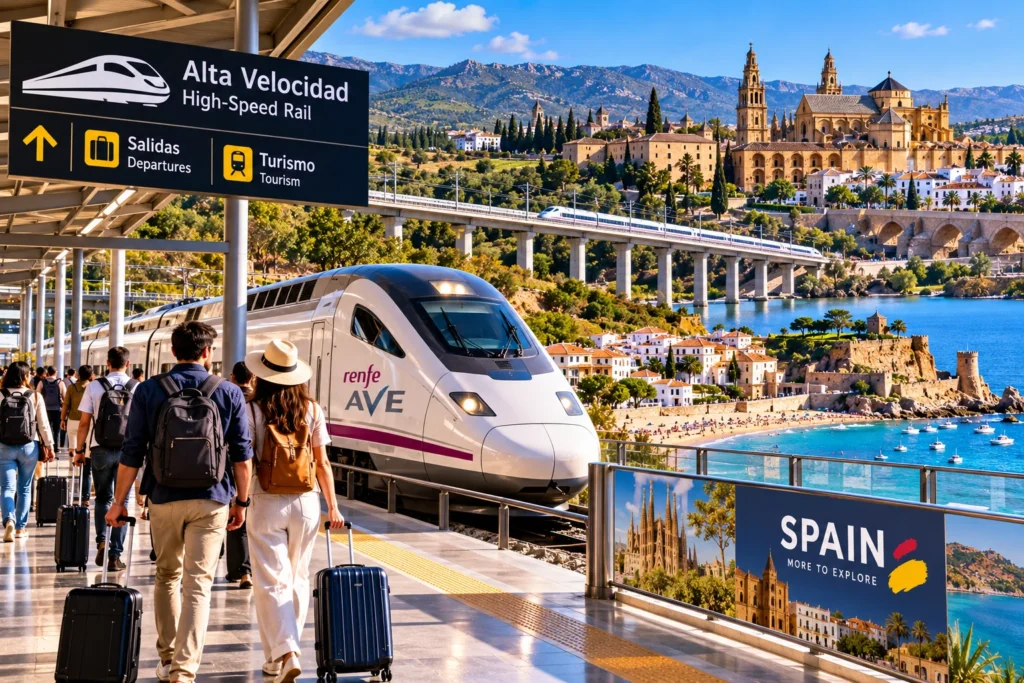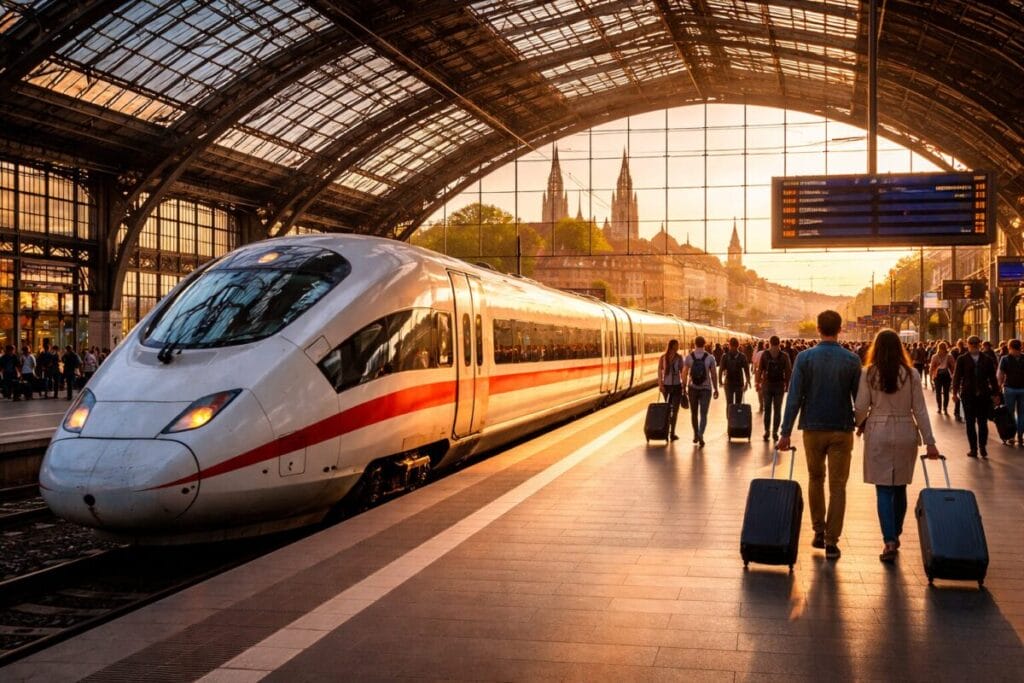
Europe is preparing for a new era in rail travel as the European Union accelerates long-term investment and regulatory reform across the continent’s transport network. The move is expected to reshape tourism by making train travel faster, more convenient, and significantly more sustainable for visitors exploring major cities, coastal destinations, and lesser-known rural regions.
For decades, trains have been an essential feature of European mobility and tourism, connecting travelers to some of the world’s most iconic cities. From Paris to Berlin and Florence to Vienna, the rail network supports cultural tourism, business travel, and cross-border holiday journeys. However, with climate goals intensifying and consumer demand shifting toward lower-carbon travel, Europe is now positioning its railways as a central pillar of future tourism development.
A Strategic Push for Modernization and Sustainability
European institutions and key railway bodies have underscored the need for stable financing and modernization to secure the long-term health of rail infrastructure. Investment will not only improve travel times and network reliability but will also help the tourism sector accommodate rising demand for sustainable mobility. By strengthening rail services, the EU aims to make trains a more attractive alternative to short-haul flights, aligning tourism with broader climate objectives.
The initiatives support the EU’s vision of doubling high-speed rail passenger numbers by 2030. For tourists, this could mean smoother journeys between major tourism hubs and reduced travel stress compared to navigating airports. High-speed routes linking Brussels, Paris, and Amsterdam have already demonstrated the potential of efficient rail corridors, outperforming air travel in both time and convenience for many passengers. As such connections continue to expand, they are expected to stimulate tourism flows across Europe’s most visited destinations.
Infrastructure Improvements to Boost Destination Access
One of the most significant opportunities tied to rail investment is the improved accessibility to regions that historically attracted fewer tourists due to limited transport options. While Europe’s flagship cities continue to thrive, many smaller towns and rural areas offer rich cultural, culinary, and natural attractions that remain underexplored by international travelers.
Upgrading regional lines, expanding high-speed corridors, and modernizing older networks will allow tourists to travel seamlessly beyond conventional routes. This could open pathways to scenic regions such as the Black Forest in Germany, the wine terraces of southern France, or the historic towns across Slovakia and Hungary. Improved rail service would also support local economies by distributing tourism demand more evenly across regions.
Recent efforts in countries such as Italy showcase this potential. Investments in regional train networks have made it easier for tourists to reach coastal villages, UNESCO heritage sites, and countryside landscapes, boosting rural tourism and supporting small businesses. As similar initiatives take shape across Europe, rail could become the backbone of a more inclusive tourism model.
Simplifying Regulations for Cross-Border Travel
While physical infrastructure is essential, regulatory reform is equally important. Europe’s rail systems have traditionally been fragmented, with differing national standards, ticketing systems, and operational rules. This complexity has made international rail travel more difficult for visitors who are unfamiliar with the system.
The EU is now working toward regulatory harmonization to create a more unified and user-friendly rail ecosystem. The objective is to make booking cross-border journeys as simple as purchasing a single ticket, rather than managing multiple carriers and schedules. This change would streamline travel between major routes such as Madrid to Paris, Vienna to Prague, and Milan to Munich, lowering barriers for tourists and encouraging longer multi-destination trips.
By aligning standards across member states, the EU seeks to build an integrated rail market that enhances both tourism and economic mobility. Harmonized rules will also support operators by reducing administrative burdens, fostering competition, and encouraging new service providers.
Supporting Tourism Growth Through Sustainable Travel
The shift toward train travel aligns closely with Europe’s sustainability agenda and the growing preference among travelers for lower-carbon transportation. Rail emits far fewer greenhouse gases compared to flying or driving, making it an appealing option for environmentally conscious visitors seeking to reduce their travel footprint. As tourism boards increasingly promote responsible travel, rail is becoming a key selling point for sustainable tourism campaigns across Europe.
Tourism analysts note that improved rail services could encourage longer stays and multi-country trips, particularly for international visitors arriving from North America or Asia. Cross-border itineraries such as “London–Paris–Amsterdam” or “Rome–Zurich–Munich” are already popular with tourists and are expected to gain traction as networks modernize.
A Promising Future for Europe’s Tourism Landscape
The future of European tourism is closely tied to mobility, accessibility, and sustainability—all factors influenced directly by rail policy. With enhanced investment, consistent regulation, and strategic long-term planning, the EU’s rail ambitions have the potential to redefine how tourists experience the continent.
From smoothly connecting iconic capitals to opening doors to rural heritage regions, improved rail networks promise a more diverse, eco-friendly, and interconnected tourism experience. As Europe continues to position rail as a central component of its tourism strategy, visitors will gain more efficient ways to explore the continent, while local communities benefit from increased economic participation.
With ongoing EU support, rail is poised to become one of the leading pillars of European travel, offering a greener and more accessible alternative that will strengthen the region’s tourism economy for decades to come.
For more travel news like this, keep reading Global Travel Wire