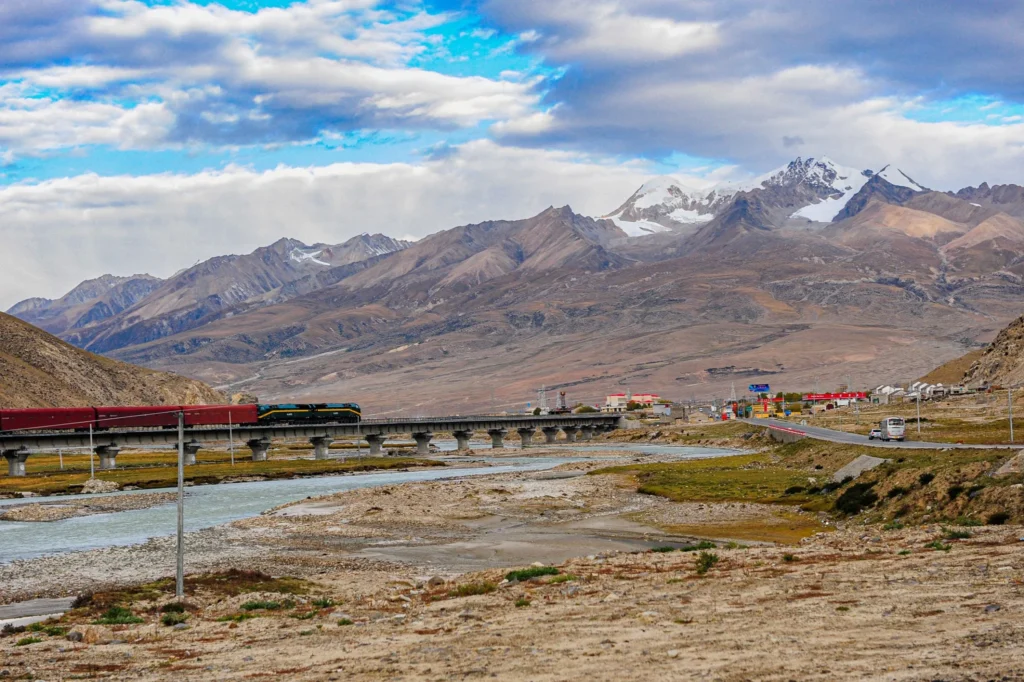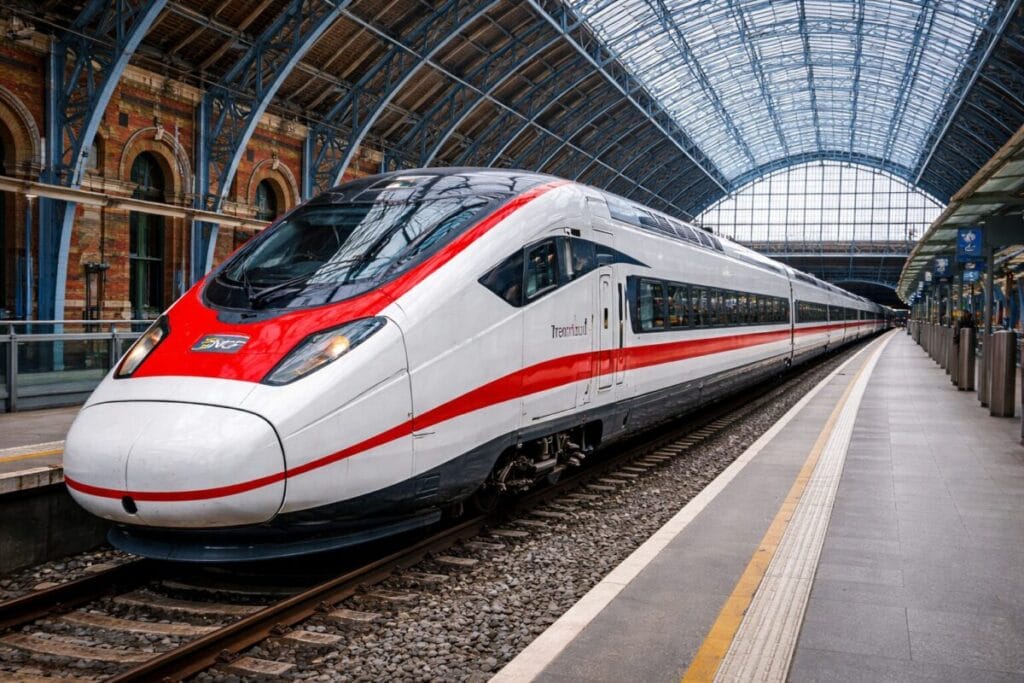
A major shake-up could be coming to one of Europe’s most iconic travel corridors as Trenitalia moves forward with plans to operate high-speed trains between London and Paris through the Channel Tunnel. If successful, the service could be running as early as 2029, ending decades of limited competition on the route and offering travelers new options for one of the most popular city pairs in Europe.
For more than thirty years, Eurostar has been the sole operator ferrying passengers between the British and French capitals via the Channel Tunnel. Its services have become a symbol of European rail integration, offering direct connections from London St Pancras to Paris Gare du Nord and onward links to Brussels and other continental cities. The potential entry of Trenitalia marks the first serious bid to challenge this dominance and signals the emergence of a more competitive international rail market.
A New Travel Era for Tourists and Business Travelers
Trenitalia’s ambition represents more than the arrival of a new train company. It introduces the prospect of different fare options, wider departure windows, tailored onboard services, and potentially more competitive ticket pricing. For travelers accustomed to limited alternatives along the corridor, the change could transform everything from weekend city breaks to corporate itineraries.
The announcement aligns with a shift in European travel trends. Many passengers are choosing rail over air for short to medium-distance trips due to convenience, reduced airport hassles, and growing interest in sustainable mobility. The London–Paris journey, which takes approximately 2 hours and 15 minutes by high-speed train, is a prime example of where rail can outperform flights once airport transfers, security, and check-in times are factored in.
Investment and International Expansion Strategy
Trenitalia’s plans are tied to a broader investment program estimated at around one billion euros, supported by international financing partnerships aimed at expanding the company’s presence in the cross-border high-speed market. The Italian operator has already advanced its position in France through high-speed Frecciarossa services connecting Paris with Lyon and Milan, demonstrating operational capability across national networks and international borders.
One of the logistical innovations in Trenitalia’s plan is the creation of a dedicated maintenance depot near Paris. Instead of depending on facilities in the United Kingdom, this approach is expected to simplify operations and reduce turnaround times. For passengers, this could translate into a more consistent service schedule with improved reliability.
Competition Signals a New Chapter for Rail Travelers
Competition often brings benefits for consumers, and tourism analysts expect similar dynamics here. Increased operator choice can lead to:
- more flexible departure schedules
- varied cabin classes and service levels
- competitive fare structures
- differentiated onboard environments
- improved digital booking experiences
Such advantages align with modern travel expectations, where passengers look for personalization, comfort, and value. Tourism boards in France and the United Kingdom increasingly market rail connectivity as a central selling point for multi-city travel, and more capacity could help support visitor growth on both sides of the Channel.
Impact on Short-Haul Flights Between the Capitals
The London–Paris air corridor is one of the busiest in Europe. Although high-speed rail already captures a substantial share of direct city-center journeys, air travel still accounts for roughly forty percent of passenger traffic due to frequency, legacy customer behavior, and the structure of airline networks.
Should Trenitalia match or improve on Eurostar’s timings with enhanced service offerings, analysts believe a further modal shift toward rail is likely. Governments in both the UK and EU have expressed interest in reducing emissions from aviation, particularly on short-haul routes where rail is a viable alternative. The introduction of competing high-speed rail operators could accelerate these environmental objectives.
A More Competitive Transport Landscape Emerges
Trenitalia is not alone in exploring Channel Tunnel operations. Virgin Trains Europe has signaled interest in entering the corridor, with services potentially beginning around 2030. Trenitalia’s target start date of 2029 places it ahead of this timeline and offers an opportunity to shape the competitive landscape early.
Introducing competition would end what has effectively been a monopoly situation since the tunnel opened to passenger services in 1994. For decades, passengers have had limited recourse during peak-demand price spikes or service disruptions. Additional operators could alleviate congestion, provide alternatives during interruptions, and expand overall route capacity.
Shifting Passenger Expectations and Sustainability Goals
Rail travel sits at the intersection of multiple policy and consumer trends. Passengers increasingly prioritize low-carbon travel, while tourism authorities across Europe encourage multi-destination itineraries that use rail links instead of flights. For the tourism sector, high-speed trains offer an attractive solution: they integrate seamlessly into city centers, avoid time-consuming airport transfers, and offer space conducive to both leisure and productivity.
The London–Paris corridor is uniquely positioned to benefit. Visitors frequently combine the capitals in a single trip, and high-speed access could allow easier connection to additional destinations such as Brussels, Lyon, or Milan through extended networks.
Looking Ahead: What Travelers Can Expect
While the service is still subject to regulatory, safety, and infrastructural approvals, momentum behind the project suggests a growing appetite for competition in international rail services. If Trenitalia succeeds, the latter half of the decade could mark the beginning of a revamped travel ecosystem in which passengers choose between operators based on experience, value, and convenience — not necessity.
For tourists, business travelers, and the broader tourism market, expanded high-speed rail through the Channel Tunnel could become one of the most significant changes to European travel mobility in years.
For more travel news like this, keep reading Global Travel Wire