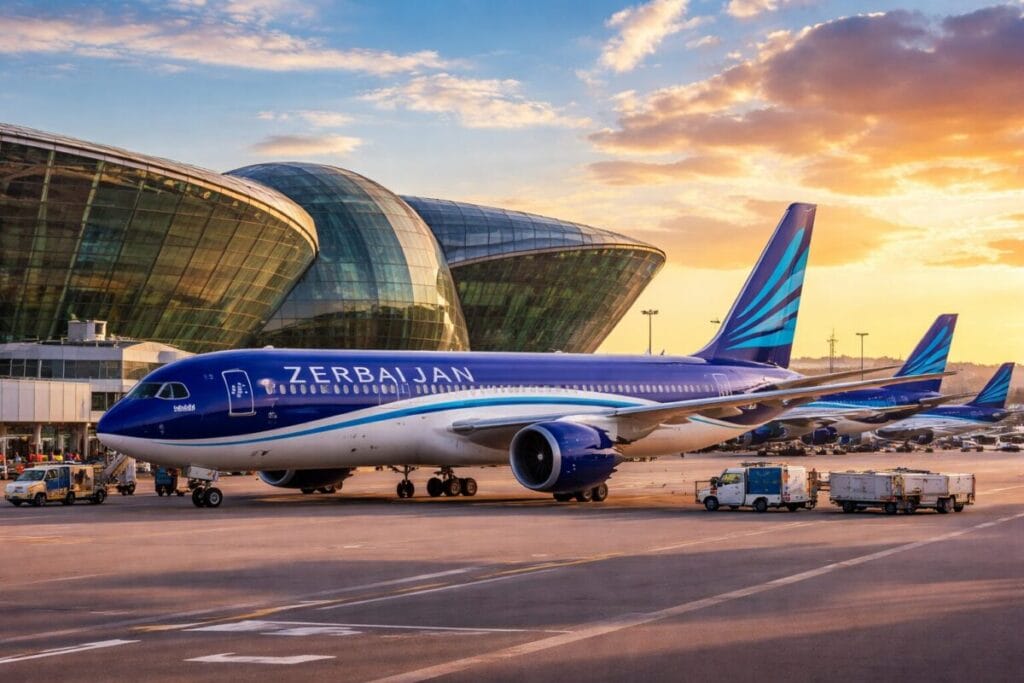
Azerbaijan Airlines (AZAL) has taken a landmark step toward the future of digital airline commerce by adopting New Distribution Capability (NDC) technology through a multi-year collaboration with Accelya, a major global provider of airline software solutions. This development places Azerbaijan’s national carrier among the most forward-thinking airlines in its region, helping it enhance its international presence in the travel and tourism sector.
NDC is rapidly transforming how airlines sell their products by enabling real-time, personalized offers rather than the one-size-fits-all fares that dominated under legacy systems. Through Accelya’s FLX Select platform, AZAL aims to improve how it distributes fares, ancillaries, and tailored travel packages across a wide range of travel agents and indirect channels, including global distribution partners. While many airlines have discussed the value of NDC, comparatively few have turned it into a meaningful commercial capability. AZAL’s move signals a decisive shift toward a more modern retailing strategy.
This transition also aligns with broader tourism development goals within Azerbaijan, which has been steadily strengthening its aviation and hospitality infrastructure. The country has invested in airport upgrades, expanded route connectivity, and promoted inbound tourism through cultural initiatives and destination marketing. Enhanced airline retailing complements these efforts by improving the customer journey from trip planning through to booking and travel.
Accelya’s FLX Select platform enables carriers to deploy NDC technology without the constraints traditionally imposed by outdated systems. It gives airlines more control over how they package services such as baggage, priority boarding, flexible fare families, and specialty tourism offers. Instead of relying solely on third-party distributors to present fares, airlines can take a more active role in shaping how customers experience their brand, even when bookings occur through external sellers.
According to industry experts, travelers increasingly expect retail-style flexibility from airlines, especially in markets where tourism competition is growing. Modern distribution platforms allow airlines to respond more quickly to market demand, adjust pricing in real time, and send richer content to travel sellers, such as promotional bundles for vacationers, cultural festival packages, and business-travel upgrades.
For Azerbaijan Airlines, the modernization journey also carries strategic significance. As the carrier expands international routes and positions Baku as a major hub between Europe and Asia, being able to deliver clearer and more competitive offers becomes instrumental. Better distribution tools help ensure that AZAL’s products remain visible, dynamic, and adaptable in a competitive global landscape dominated by well-funded airlines from Europe, the Middle East, and Asia.
Accelya’s broader technology ecosystem is powered through the FLX ONE platform, utilizing scalable cloud infrastructure. This cloud-based approach allows airlines to handle high transaction volumes and deliver retailing innovations without large hardware investments. Cloud models are also considered more secure and cost-efficient — key factors as airlines seek to modernize while managing operational budgets.
Industry analysts tracking the growth of NDC note that more carriers are expected to adopt the technology as tourism continues to rebound worldwide. Evolving traveler expectations, the rise of digital booking platforms, and demand for personalized services are pushing airlines to rethink how they design and distribute offers. While early adoption was once focused primarily on major European and North American airlines, carriers across the Middle East, Central Asia, and the Caucasus region are now catching up, contributing to a broader modernization wave in global aviation.
With this partnership, Azerbaijan Airlines becomes a regional example of how digital retailing can drive commercial results rather than remain a theoretical goal. The airline will gain better control over pricing strategy, product differentiation, and inventory visibility — all essential for building stronger relationships with both customers and travel sellers. It also reinforces Azerbaijan’s broader tourism ambitions, as seamless booking experiences play an essential role in shaping how travelers choose destinations and airlines.
Ultimately, FLX Select enables AZAL to transition from a legacy-driven distribution model to a modernized, flexible retailing framework. The collaboration demonstrates that the future of airline retailing lies in real-time, dynamic offer creation and direct engagement with sellers and customers. As NDC adoption accelerates globally, industry observers expect more airlines in the region to follow suit, transforming traditional distribution practices and elevating competitiveness in the tourism marketplace.
The Bigger Picture for Tourism
From a tourism standpoint, the modernization of airline retailing is more than a technological upgrade — it enhances how destinations compete for travelers. Personalized fares, bundled experiences, and flexible offers encourage longer stays, more domestic exploration, and higher spending across hospitality, transportation, and cultural sectors.
Azerbaijan’s aviation transformation therefore comes at a strategic moment. With rising interest in the nation’s cultural heritage, modern attractions, and major international events, the country stands to benefit significantly from travel technologies that make purchasing simpler and more compelling for global visitors.
As NDC continues to shift from a niche innovation to an industry standard, AZAL’s partnership with Accelya positions Azerbaijan as a proactive participant in shaping the future of travel retailing, tourism development, and digital transformation in aviation.
For more travel news like this, keep reading Global Travel Wire