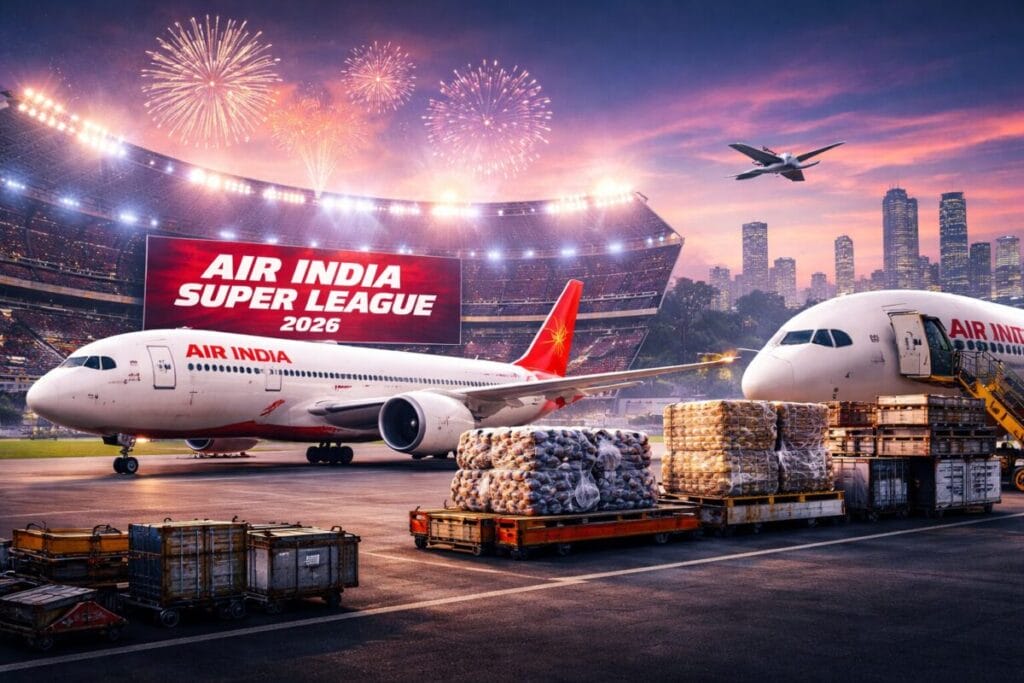
Air India Group has announced the return of the Air India Super League (AISL) for its second season in 2026, along with the first-ever edition dedicated to its cargo partners. The airline aims to strengthen tourism, trade, and stakeholder engagement across India’s aviation ecosystem through these dual events. The move comes as India pushes to position itself as a global aviation hub while prioritizing connectivity, hospitality, and logistics.
Aviation and Sports Join Forces
The Air India Super League first kicked off in 2025 and quickly attracted attention across multiple sectors. The combination of aviation branding, competitive sports, and tourism promotions helped the league stand out in India’s growing sports calendar. Season 2 is expected to draw even higher engagement from travelers, corporate sponsors, and hospitality operators.
Sports tourism has expanded rapidly in India over the past decade, with major tournaments boosting arrivals in host cities. Events like AISL create additional demand for flights, hotels, transportation, and leisure activities. For Air India, the league serves as a platform to promote domestic connectivity and highlight destinations beyond major metros.
Tourism Benefits for Host Cities
Cities hosting matches during the inaugural season experienced a surge in visitor numbers. Fans traveled for weekend games, while families combined matches with local sightseeing. Hotels reported increased occupancy and tourism authorities saw higher spending at attractions, restaurants, and local markets.
For 2026, the list of venues is expected to expand, potentially adding emerging destinations. Cities like Mumbai, Delhi, Bengaluru, and Hyderabad are already preparing tourism campaigns around the league. Smaller cities hosting matches will gain valuable exposure, helping diversify tourism beyond traditional circuits.
Domestic tourism authorities view events like AISL as catalysts for sustainable travel growth. With rising disposable incomes and improved airport infrastructure, India’s aviation and tourism sectors are becoming increasingly interconnected.
Cargo Partners Receive Industry Spotlight
For the first time, Air India has introduced a cargo partner edition of the league. While playful in nature, the initiative highlights a serious sector that contributes significantly to global commerce. Air cargo services transport pharmaceuticals, electronics, textiles, and perishables—many of which support tourism-oriented industries such as fashion and food exports.
India’s cargo market has expanded as e-commerce booms and manufacturing strengthens. The cargo edition aims to recognize logistics collaborators, incentivize operational excellence, and strengthen long-term partnerships. The move aligns with India’s national goals to improve supply chains, enhance export capabilities, and support the “Make in India” initiative.
Growing Demand for Air Logistics in Tourism
Tourism generates high cargo demand through souvenirs, artisanal products, packaged foods, and business shipments linked to trade fairs and conventions. Fast delivery is especially important for inbound travelers purchasing goods that require quick dispatch back home. Air India’s cargo growth strategy supports these needs by upgrading infrastructure and expanding route coverage.
The tourism sector also benefits from air cargo during festive seasons, when international travelers consume higher quantities of local goods. This synergy between tourism and freight strengthens regional economies and opens new opportunities for small businesses.
Enhancing Connectivity and Partnerships
The twin events form part of Air India’s broader plan to improve global connectivity, expand its fleet, and modernize services. India continues to develop new international routes and airport upgrades, increasing accessibility for leisure and business travelers. Government aviation policies also emphasize sustainable operations, passenger rights, and regional airport development.
These improvements help position India as a competitive stopover hub between East and West, attracting international tourists and trade flows. With the Super League focusing on passenger engagement and the cargo edition targeting trade partners, Air India is leveraging both sides of aviation to support national growth objectives.
Seasonal Travel Boost Expected
Tour operators are already preparing packaged experiences around the 2026 season. Expect bundles that include game tickets, flights, hotel stays, city tours, and culinary itineraries. Airlines and hospitality brands view the league period as an opportunity to launch discounts and loyalty promotions.
Local businesses also benefit. Restaurants, malls, and entertainment venues often experience higher activity during such events. Increased spending supports jobs in tourism, logistics, and retail.
Future Impact on India’s Tourism Landscape
If momentum continues, the Air India Super League may evolve into a major international sporting attraction, drawing foreign tourists and expanding India’s tourism brand image. Countries across Asia and the Middle East have used sporting events to strengthen national tourism. India’s aviation-driven model adds a unique twist by integrating passenger travel and cargo trade under one promotional umbrella.
Conclusion
Air India’s announcement of Season 2 of the Air India Super League and the inaugural cargo edition marks a strategic milestone for the airline and for India’s tourism economy. The convergence of sports, travel, and logistics creates new avenues for growth, innovation, and global engagement. With its commitment to enhancing both passenger and cargo services, Air India is positioning itself as a key player in shaping the future of tourism and trade across India in 2026 and beyond.
For more travel news like this, keep reading Global Travel Wire