Tourism destinations across the Caribbean, Mediterranean and Asia will welcome new hotels and improved properties as accommodation growth accelerates into 2026 and 2027. Palladium Hotel Group plans to expand its international footprint through major openings and strategic repositioning projects. The investments aim to enhance traveler choice, increase destination competitiveness and strengthen tourism infrastructure across key global markets.
The group closed 2025 with a managed business volume of €1.162 billion. This performance supports a development pipeline backed by more than €1.1 billion in owner investment. These funds target projects that boost accommodation quality, improve guest experiences and raise the long-term value of tourism destinations.
Hotel development continues to play a major role in how destinations evolve. More accommodation options encourage higher visitation, longer stays and more diversified tourism flows.
Investment Drives Tourism Growth
Global tourism has entered a new phase of demand. Travelers expect more choice, stronger experiences and higher hotel quality. Destinations now compete through enhanced hotel infrastructure just as much as through beaches, culture or attractions.
Palladium Hotel Group’s expansion focuses on regions with sustained international demand and strong air connectivity. Development includes both new hotels and the repositioning of existing properties. Repositioning often improves design, services and amenities without increasing land use. This approach supports sustainability goals that resonate in mature tourism markets.
For travelers, these investments provide new levels of comfort, fresh accommodation styles and improved access to cultural and leisure experiences. For destinations, hotel investment encourages balanced tourism growth and strengthens the economic ecosystem that surrounds hospitality.
Caribbean Tourism Strengthens Through Resort Development
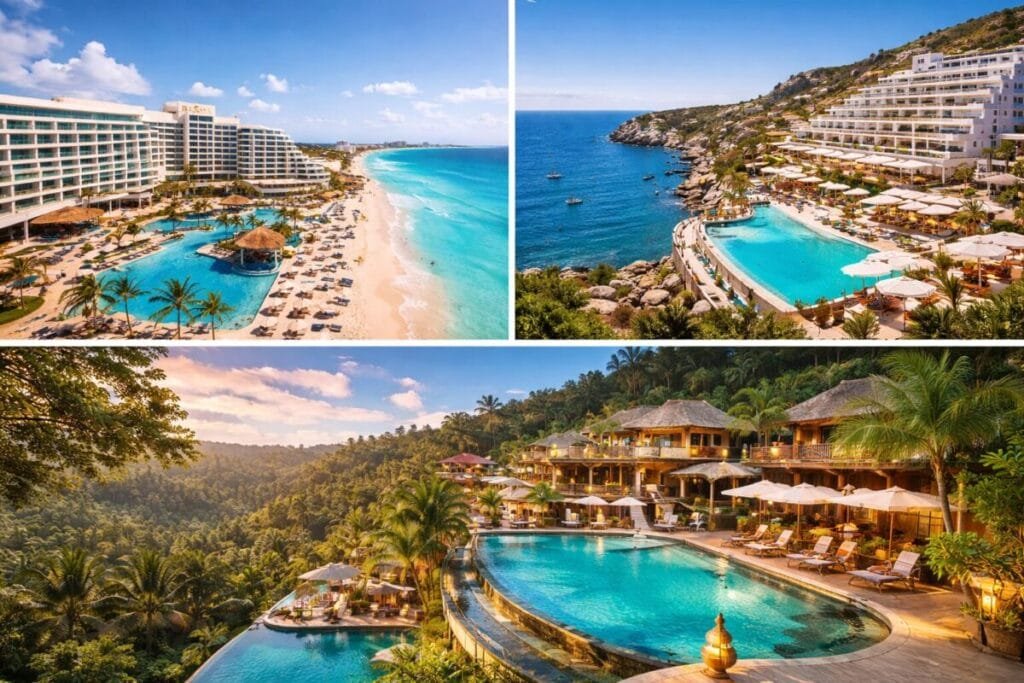
The Caribbean remains a core pillar of the development strategy. Resorts across the region attract travelers who want beach holidays, water sports, marine excursions and all-inclusive stays. New properties support year-round tourism, which reduces reliance on winter peaks and helps stabilize employment across seasons.
Air connectivity continues to expand from Europe and North America. Airlines now operate more direct flights to major Caribbean destinations, improving access for both short breaks and longer vacations. Accommodation growth ensures that supply keeps up with demand, avoiding price spikes during peak weeks and encouraging repeat visitation.
Resorts also serve as tourism gateways. Visitors use them as bases for sailing, diving, cultural visits and regional excursions, spreading tourism revenue across communities.
Mediterranean Repositions for Seasonal Demand
Mediterranean tourism trends differ from the Caribbean model. Demand peaks in summer, with additional boosts from spring and autumn city travel. Projects in this region focus on hotels that pair beach access with proximity to historic towns and urban attractions.
Repositioning projects support these destinations by refreshing aging hotel stock and aligning it with modern travel expectations. This approach conserves land, reduces environmental impact and maintains cultural continuity. Travelers benefit from upgraded properties in locations that already fit established visitor patterns.
The Mediterranean increasingly attracts cultural tourists, cruise passengers and short-stay travelers. Upgraded accommodation enhances these segments and supports tourism spread beyond July and August.
Asia Welcomes Selective Expansion
Asia represents a different stage of development. Expansion targets destinations that show growing demand from both regional and long-haul markets. Hotels in Asia often cater to mixed travel purposes, including leisure, business, extended stays and experiential tourism.
New openings in Asia support city-break travel, coastal tourism and cultural itineraries. Infrastructure improvements such as new airports, road networks and rail lines help drive hotel demand. Travelers gain access to destinations that combine relaxation with deep cultural immersion.
Brand Identity Influences Traveler Choice
Brand clarity remains a crucial element of the expansion strategy. Different brands serve distinct traveler groups, from families to adults-only travelers and lifestyle-focused guests. Clear segmentation helps travel planners align accommodation with traveler needs.
For tourism boards, brand clarity supports marketing campaigns and helps attract target visitor profiles. For travelers, it simplifies booking decisions and reduces uncertainty about the on-the-ground experience.
Hotel Development Expands Tourism Ecosystems
New hotels shape more than the accommodation supply. They influence local employment, attract new service providers and stimulate upgrades in transportation infrastructure. Restaurants, tour operators, retail businesses and cultural attractions gain additional demand from higher hotel occupancy.
Travelers benefit from consistency. Well-established hotel groups often provide reliable service, strong safety standards and predictable amenities. These factors shape booking confidence and destination loyalty.
Tourism Trends Guide Future Growth
Global tourism shows strong shifts toward experience-led travel, longer stays and higher expectations for hotel design. Hotels with flexible spaces, wellness facilities and cultural integration perform well with both leisure travelers and digital nomads. Destinations that enhance accommodation offerings attract repeat visitors and extend seasonal travel windows.
Palladium Hotel Group’s development strategy aligns with these patterns by prioritizing hotels that elevate guest experience while remaining cost-efficient and sustainable for destinations.
Looking Ahead for Global Travel Markets
As new hotels and repositioned properties open across the Caribbean, Mediterranean and Asia, travelers will gain new options in some of the world’s most popular tourism markets. Fresh capacity supports both short-haul and long-haul travel and provides more opportunities for families, wellness travelers and adventure seekers.
For destinations, the expansion aligns with broader tourism strategies that emphasize quality over volume. For travelers, it means more choice, better amenities and more reasons to extend vacations into emerging seasons.
Hotel development will continue to shape the future of global tourism one destination at a time, as investment fuels the next era of travel experiences.
For more travel news like this, keep reading Global Travel Wire