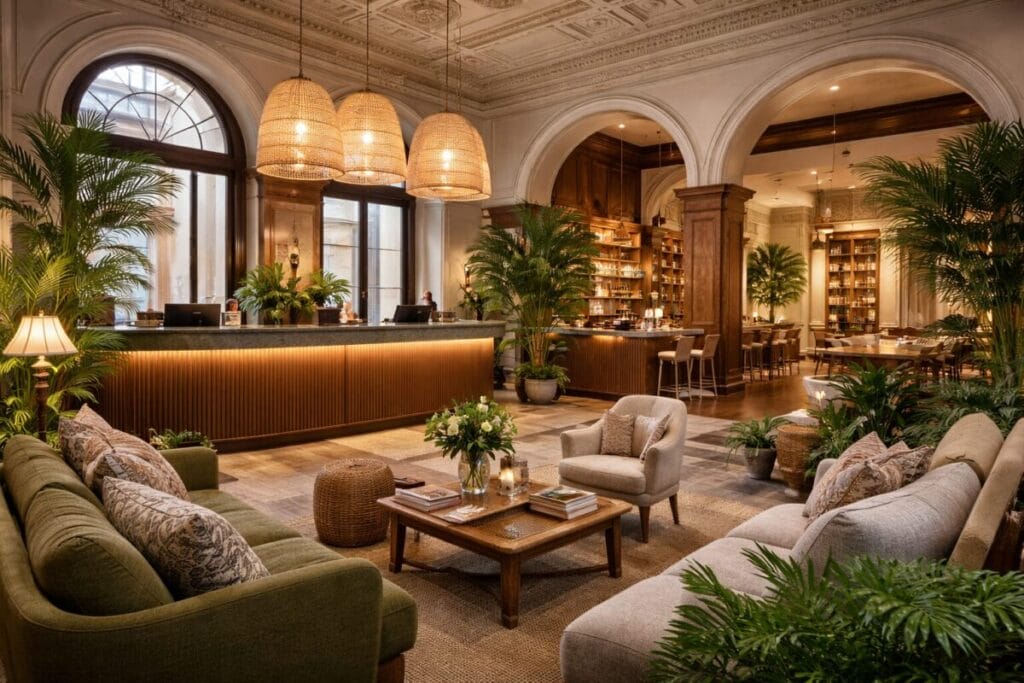
Cambridge is welcoming a notable addition to its hospitality landscape with the opening of The Hobson Cambridge by Adina, a project that blends the heritage of a historic Grade II-listed building with contemporary apartment-style living. The renovation marks the Adina brand’s first property in the United Kingdom and reflects the rapid rise of aparthotels across the country. The redevelopment of the iconic Hobson House introduces a flexible accommodation model that appeals to both short-stay and extended-stay guests, positioning Cambridge as an increasingly competitive destination for domestic and international travelers.
The property preserves the historical significance of Hobson House, known for its Victorian architecture, while incorporating modern interiors designed to support the evolving needs of today’s visitors. The project demonstrates how historic preservation and modern hospitality demands can intersect to support economic and tourism growth in regional UK cities.
A Heritage Building Adapted for Modern Guests
The Hobson Cambridge features 56 studio apartments and communal public spaces designed by B3 Designers in collaboration with Adina. The redesign balances architectural sensitivity with contemporary functionality, retaining original structural elements and period detailing while introducing warm materials, layered lighting, and modern amenities. The approach ensures that the building’s historic character remains a defining feature, reinforcing Cambridge’s identity as a heritage city while expanding its accommodation offerings.
The rise of the aparthotel model reflects broader shifts in traveler expectations. Guests—particularly those planning longer stays—are seeking self-contained accommodations with hotel services, workspace options, and access to on-site amenities. The Hobson Cambridge is designed to meet these needs without compromising comfort or design.
Supporting the Growth of the UK Aparthotel Sector
The opening aligns with a larger trend in the UK hospitality industry, where aparthotels have experienced significant growth driven by flexible working patterns, business travel recovery, and longer visitor stays. The model appeals to corporate travelers, digital nomads, relocating professionals, and leisure visitors alike. By offering kitchens, living areas, and serviced support, aparthotels fill a niche between traditional hotels and private rental accommodation.
Industry analysts have noted that regional cities—including Cambridge, Manchester, Edinburgh, and Birmingham—are seeing increased investor interest in mixed-use and extended-stay hospitality projects. The addition of Adina to Cambridge’s market strengthens this trend and signals future expansion prospects within the sector.
Design That Supports Well-Being and Community Interaction
Public areas at The Hobson Cambridge have been intentionally shaped to encourage guest interaction and foster a sense of community, an aspect increasingly valued in modern hospitality. The lobby and reception area incorporate biophilic design elements, including greenery, textured materials, and natural lighting to enhance well-being and reduce the formality of traditional check-in spaces. The environment supports a shift toward hotels serving as social and multi-functional hubs rather than merely places to sleep.
Communal zones transition throughout the day—from breakfast settings to evening gathering spaces—reflecting the flexibility required by travelers balancing work, dining, and leisure. The hotel’s on-site dining venue, Oz & Isle, contributes to the appeal for both guests and locals, reinforcing the industry trend toward hospitality spaces that serve broader community roles beyond accommodation.
Blending Heritage Tourism with Contemporary Travel Expectations
The property’s transformation also highlights the importance of adaptive reuse in tourism development. Rather than constructing a new building, the decision to rehabilitate Hobson House preserves architectural and cultural value while reducing environmental impact associated with new construction. Cambridge, a city celebrated for its history, academic legacy, and cultural tourism, benefits from accommodations that align with its character while supporting future-oriented visitor needs.
For Cambridge’s tourism sector, the opening arrives at a time when the UK is seeing renewed interest in domestic travel, heritage destinations, and university cities. Aparthotels like The Hobson Cambridge strengthen the city’s ability to host longer-stay guests, including researchers, academic visitors, and business travelers connected to Cambridge’s growing science and technology sectors.
A Contemporary Response to Evolving Travel Patterns
The launch underscores how hospitality brands are adapting to changing expectations for personalization and autonomy. Extended-stay guests increasingly seek property designs that allow for cooking, working, relaxing, and socializing without sacrificing service quality or convenience.
Adina has positioned itself as a leader in this category, already established in markets across Europe and Australia. The opening of The Hobson Cambridge expands its footprint and introduces additional competitive pressure to the UK market, encouraging further innovation in accommodation offerings.
Looking Ahead: A Modern Hospitality Model with Growth Potential
The Hobson Cambridge sets a benchmark for future aparthotel development in the United Kingdom. By blending historical preservation, community engagement, modern amenities, and flexible living arrangements, the property responds to industry shifts that prioritize experience over traditional hotel formats. The brand’s entrance into the UK market signals confidence in extended-stay demand and suggests further expansion opportunities in other regional cities.
As hospitality continues to evolve, the project highlights how adaptable design, heritage sensitivity, and flexible operations can support long-term growth within tourism and local economies. The Hobson Cambridge is expected to play a role in shaping how visitors stay, work, and engage with Cambridge, reinforcing the city’s position as a dynamic destination within the broader UK travel landscape.
For more travel news like this, keep reading Global Travel Wire