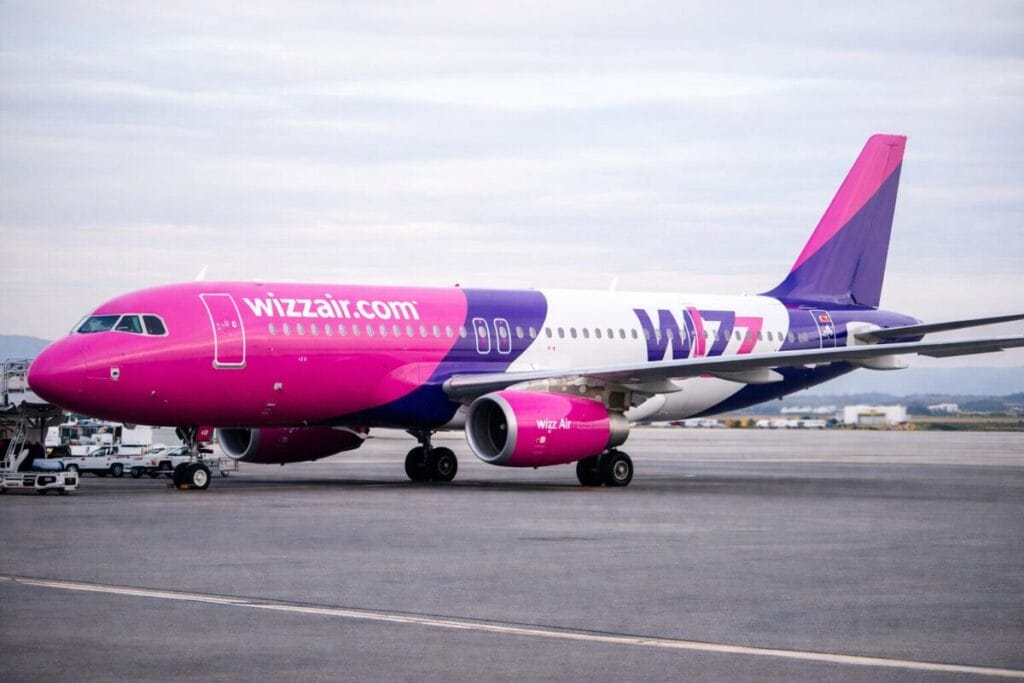
Low-cost carrier Wizz Air has taken a notable regulatory step by seeking authorization to operate flights between the United Kingdom and the United States. However, despite growing curiosity among travelers about possible low-cost transatlantic travel options, the airline has clarified that regular scheduled services across the Atlantic are not part of its immediate plans.
Instead, the airline’s application focuses on obtaining permission for occasional, event-driven charter flights, primarily to support large international sporting events scheduled in North America over the next several years. The move signals strategic flexibility rather than a full-scale entry into long-haul operations between Europe and the United States.
Charter Flights Rather Than Regular Services
Wizz Air’s request for U.S. operational approval falls under existing aviation agreements that allow airlines to apply for access between the two countries. However, company leadership has stressed that the airline does not intend to begin daily or frequent commercial flights across the Atlantic in the near future.
The main objective is to enable ad hoc charter operations tied to specific events. Large-scale sporting competitions scheduled in the United States over the coming years are expected to generate major travel demand for athletes, staff, and associated teams. These movements typically require customized charter services rather than standard passenger flights.
By obtaining regulatory clearance now, Wizz Air positions itself to operate these occasional flights when opportunities arise, without committing aircraft and resources to regular long-haul routes that may not align with its core low-cost business model.
Why Wizz Air Is Being Cautious About U.S. Expansion
Transatlantic flying remains one of the most competitive aviation markets, dominated by established airlines with large fleets and deep partnerships. Operating across the Atlantic requires higher operational costs, complex logistics, and aircraft capable of flying long distances profitably.
Wizz Air’s success has largely come from focusing on short- and medium-haul routes across Europe, where the airline’s low-cost model works best. Entering long-haul markets too quickly could expose the company to financial risks if passenger demand fluctuates or fuel prices rise.
The airline’s leadership appears determined to avoid repeating challenges seen in other markets. In late 2025, Wizz Air decided to exit certain operations in the Middle East, citing operational and geopolitical pressures that made long-term success uncertain. That decision has redirected focus back toward strengthening European operations, where the airline has historically performed well.
Potential Aircraft for Future Operations
Industry analysts note that Wizz Air has previously shown interest in newer long-range narrowbody aircraft capable of operating routes between Europe and parts of North America. Such aircraft offer improved fuel efficiency and reduced operating costs compared with traditional widebody jets.
While no firm plans or route announcements have been made, aviation observers suggest that if the airline eventually chooses to launch scheduled services to North America, these aircraft types would likely be used.
However, airline executives continue to emphasize that any transatlantic expansion remains a longer-term possibility rather than an immediate priority.
European Growth Takes Center Stage in 2026
While U.S. permissions remain under review, Wizz Air is pushing forward with aggressive growth within Europe. The airline continues to add routes and increase flight frequencies from major bases, particularly in the United Kingdom and Central Europe.
For summer 2026, the carrier has announced multiple new European destinations, expanding access to popular Mediterranean vacation spots and strengthening links between major cities. Additional routes connect travelers to destinations in Southern Europe, France, and parts of Eastern Europe, offering affordable travel options for holidaymakers and business passengers alike.
The expansion reflects growing demand for low-cost travel within Europe as tourism rebounds strongly and travelers seek budget-friendly flight options for leisure and weekend trips.
Impact on Travelers
For now, passengers hoping for ultra-low-cost flights between the UK and the U.S. will need to wait. Wizz Air’s strategy indicates that travelers should not expect immediate changes in transatlantic options.
However, occasional charter flights for sports events or special travel needs could appear in the coming years if regulatory approval is granted. These flights would likely serve limited passenger groups rather than the general public.
On the positive side, European travelers benefit from the airline’s growing network closer to home, with more direct routes and competitive fares becoming available across the continent.
Future Possibilities Remain Open
Aviation markets evolve quickly, and airlines frequently adjust strategies based on demand, economic conditions, and regulatory environments. Wizz Air’s application for U.S. approval shows that the airline wants to keep options open for future expansion without committing prematurely.
Should market conditions become favorable and aircraft technology continue improving efficiency, the possibility of affordable long-haul travel operated by low-cost carriers could grow over time.
For now, though, Wizz Air’s priority remains strengthening its European presence, optimizing operations, and maintaining flexibility to seize opportunities as they arise.
As major global sporting events approach and international travel demand continues recovering, occasional charter operations may provide the airline with experience in long-haul markets while allowing it to remain true to its core low-cost strategy.
Travelers watching developments in budget air travel will likely keep a close eye on Wizz Air’s next moves, as the airline balances ambition with operational caution in shaping its future route network.
For more travel news like this, keep reading Global Travel Wire