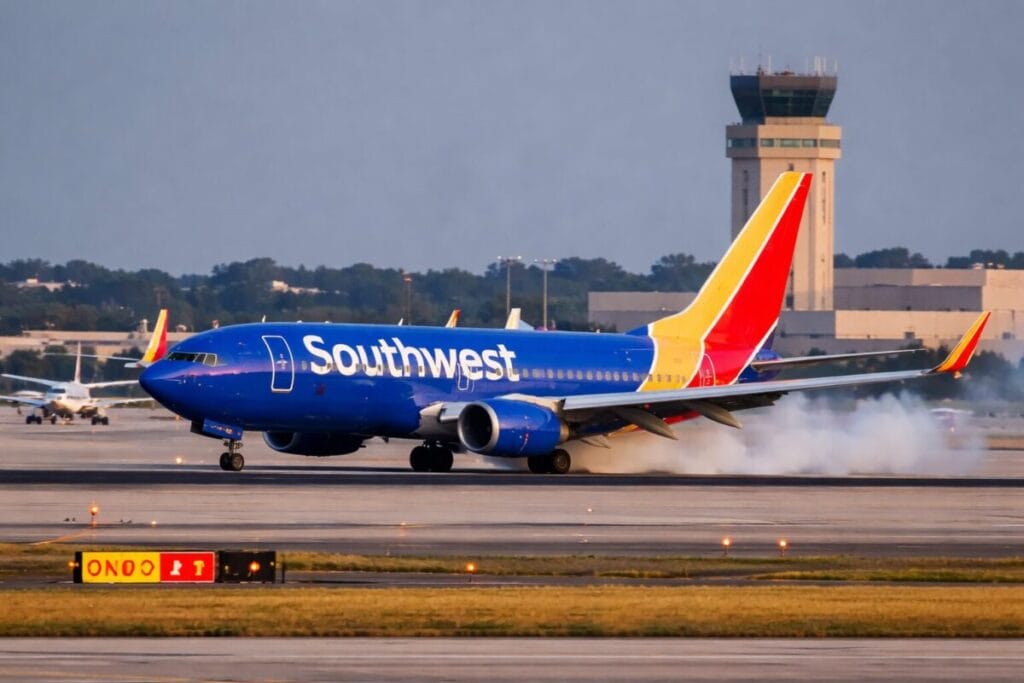
Air travelers at San Antonio International Airport witnessed a tense moment on January 27, 2026, when a Southwest Airlines flight aborted its takeoff after another aircraft mistakenly entered the runway. The situation ended safely, but the event has drawn attention across the travel and tourism industry.
Despite the scare, airport operations resumed quickly, and passengers reached their destination with minimal delay. Aviation officials say the event shows how modern safety systems protect travelers even during unexpected situations.
What Happened on the Runway?
Southwest Airlines Flight 4996, operated by a Boeing 737, had already received clearance for departure. The aircraft began its takeoff roll when air traffic controllers noticed a conflict.
A smaller Pilatus PC-12 aircraft mistakenly moved onto the same runway. Controllers immediately canceled the takeoff clearance and instructed the Southwest pilots to abort the departure.
The flight crew responded instantly. The aircraft slowed down and stopped safely on the runway. No injuries occurred, and passengers remained calm during the brief delay.
After controllers cleared the runway, the Southwest aircraft received new approval and departed without further problems.
Quick Action Prevented a Serious Situation
Aviation experts say incidents like these rarely result in danger because multiple safety layers exist at modern airports. Controllers constantly monitor aircraft movement through radar, surveillance systems, and visual observation.
Pilots also undergo routine training to handle rejected takeoffs. Such procedures ensure aircraft can stop safely if any risk appears during departure.
In this case, quick coordination between pilots and air traffic controllers prevented any close call. The aircraft halted well within safety margins.
Passengers onboard later reported only a short delay, with many unaware of the seriousness of the situation.
Southwest Airlines Responds to the Incident
Southwest Airlines confirmed that safety remains its highest priority. Airline representatives explained that crews followed established procedures exactly as trained.
The airline also assured passengers that the flight continued normally after the runway cleared. No further disruptions occurred during the journey.
Industry observers note that modern airline crews train extensively for these scenarios in flight simulators. Such preparation helps crews react instantly when real-world issues arise.
Airport Operations Continued Smoothly
San Antonio International Airport continued operating normally after the incident. Airport authorities coordinated quickly with airlines and air traffic controllers to minimize disruption.
Only minor delays affected nearby flights. Terminal operations, security checks, and passenger movement remained unaffected.
For travelers, the event demonstrated how airports handle unexpected issues while keeping schedules stable. Airport management emphasized that safety decisions always take priority over departure timing.
Tourism officials also confirmed that visitor travel plans across the region continued without major disruption.
Why Runway Safety Is Critical for Travelers
Runway operations represent one of the most sensitive phases of flight. Aircraft accelerate at high speeds, and timing must remain precise.
Global aviation authorities continue investing in safety technology, including runway monitoring systems, improved pilot guidance tools, and enhanced controller communication systems.
Many airports now deploy surface movement radar and automated alert systems to warn controllers of possible runway conflicts. These systems provide extra layers of protection.
Pilots and controllers also follow strict communication protocols to avoid misunderstandings. Continuous training helps both sides manage high-traffic airport environments safely.
Tourism and Travel Confidence Remain Strong
Travel experts say incidents like this rarely impact long-term tourism demand. Instead, they often reassure passengers that safety systems work effectively.
San Antonio remains one of Texas’s busiest travel gateways, welcoming both domestic and international visitors. Tourism officials expect continued strong visitor numbers throughout 2026.
Travelers increasingly choose destinations based on airport efficiency and safety performance. Events resolved safely help reinforce trust in airline operations.
Hotels, tour operators, and travel agencies in the region reported no cancellations related to the event.
Growing Air Travel Means Higher Safety Standards
Air travel demand continues rising worldwide, pushing airports to upgrade infrastructure and procedures. More flights require stronger coordination between airlines and control towers.
Authorities continue modernizing runway management systems and introducing smarter surveillance tools. Digital communication platforms also help reduce misunderstandings between aircraft crews and controllers.
Passenger safety remains the industry’s primary focus as airports expand operations.
Lessons for Travelers
For passengers, the event offers an important reminder: delays sometimes occur to maintain safety. A rejected takeoff may feel alarming, but it represents a successful safety decision.
Travelers should understand that pilots and controllers receive extensive training to manage unexpected situations. Every procedure exists to protect passengers and crew.
Experts recommend allowing flexible travel time, especially during busy travel seasons, as occasional operational delays remain part of safe aviation operations.
Final Takeaway
The aborted takeoff involving Southwest Airlines Flight 4996 highlights the importance of quick decision-making and strong communication in aviation. Although the incident caused a brief delay, safety procedures worked exactly as intended.
Passengers reached their destination safely, and airport operations continued smoothly. The event ultimately demonstrates how modern aviation systems protect travelers, even when unexpected issues arise.
As global tourism and air travel continue to grow in 2026, airports and airlines remain focused on keeping journeys safe, efficient, and reliable for millions of travelers worldwide.
For more travel news like this, keep reading Global Travel Wire