The Royal Park Hotel Iconic Naha has officially opened in Okinawa’s capital, marking a significant moment for cultural tourism in Japan. The hotel draws direct inspiration from Shuri Castle, the historic heart of the former Ryukyu Kingdom. Its opening aligns with the completion of Shuri Castle’s main hall exterior restoration in late 2025.
This timing positions the hotel as both a luxury accommodation and a symbol of cultural revival. Travelers now experience modern comfort while engaging with Okinawa’s living history. The property reflects a broader shift toward heritage-led hospitality in Japan.
Shuri Castle’s Revival Shapes the Hotel’s Identity
Shuri Castle stands as a powerful symbol of Okinawan identity and resilience. A devastating fire destroyed much of the site in 2019. Restoration efforts have since focused on preserving traditional methods and materials.
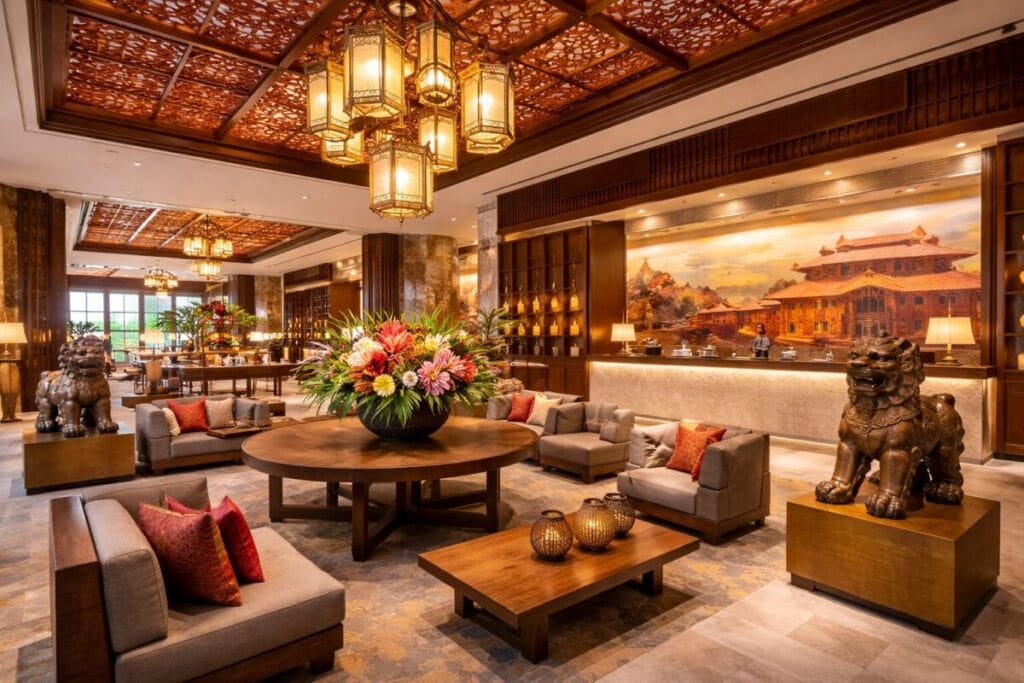
The Royal Park Hotel Iconic Naha integrates this revival into its design philosophy. Architects and designers embedded Ryukyuan motifs throughout public spaces and guest rooms. The hotel does not merely reference the castle but reflects its spirit.
In select interior elements, the hotel incorporates tiles connected to the castle’s restoration process. These details create a tangible link between the property and Okinawa’s most important heritage site.
Location Strengthens Cultural and Urban Access
The hotel sits in central Naha City near Kencho-mae Station on the Yui Rail network. This location provides direct access to Naha Airport and major city districts. Guests can reach shopping streets, markets, museums, and government areas within minutes.
Kokusai Dori, Naha’s most famous street, lies within walking distance. The Shuri Castle district remains easily accessible by rail or short drive. This balance supports both cultural exploration and urban convenience.
The location makes the hotel a strategic base for first-time and repeat visitors. Travelers can explore Okinawa without long transfers or complex logistics.
Architecture and Interiors Celebrate Ryukyuan Craft
The hotel’s architecture draws from Ryukyuan traditions rather than mainland Japanese design. Designers used natural textures, warm tones, and island-inspired layouts. Materials such as Bashofu, a traditional banana fiber textile, appear in furnishings and decorative elements.
Color palettes reference the iconic red tones of Shuri Castle. Subtle patterns echo traditional roof tiles and ceremonial garments. These design choices create a cohesive narrative rather than a themed environment.
Guest rooms continue this approach through handcrafted accents and locally inspired artwork. The experience feels immersive yet refined, appealing to culturally curious travelers.
Guest Experience Blends City Energy With Island Calm
The Royal Park Hotel Iconic Naha offers a range of rooms and suites with views across the city. Upper floors provide a quieter atmosphere above Naha’s lively streets. The hotel includes wellness facilities designed to evoke Okinawa’s relaxed island rhythm.
A pool and bar area introduces a resort-like mood within an urban setting. Spa services draw inspiration from local wellness traditions and natural ingredients. Guests can transition easily from sightseeing to relaxation.
This combination suits travelers seeking balance rather than extremes. The hotel caters to leisure guests, cultural travelers, and business visitors alike.
Dining Highlights Okinawan Culinary Identity
Food and beverage offerings play a central role in the guest experience. The hotel’s dining venues emphasize Okinawan flavors and seasonal ingredients. Menus feature local vegetables, seafood, and traditional cooking methods.
Chefs reinterpret regional dishes with contemporary presentation. International options remain available for global travelers. This balance supports culinary exploration without alienating unfamiliar guests.
Dining at the hotel reinforces Okinawa’s distinct identity within Japan. Food becomes a cultural gateway rather than a secondary service.
Cultural Immersion Integrated Into the Stay
Staying at the hotel allows guests to engage with Okinawan heritage daily. Design, cuisine, and location work together to create context. Guests do not need separate excursions to encounter local culture.
Shuri Castle’s exterior restoration completion adds symbolic value to visits during this period. Travelers witness a historic site reclaiming its presence. This narrative enhances emotional connection to the destination.
The hotel encourages guests to view Okinawa as more than a beach destination. History, identity, and resilience form part of the travel experience.
Considerations for Travelers
The hotel’s luxury positioning results in higher rates than standard city hotels. Budget-conscious travelers may need to plan carefully. Peak seasons in Okinawa also affect availability and pricing.
Interior restoration work at Shuri Castle continues through 2026. Some areas remain restricted during this phase. Visitors should adjust expectations for full site access.
Cultural interpretation within the hotel remains subtle. Travelers seeking in-depth historical education should plan additional museum visits or guided tours.
Okinawa’s Growing Role in Cultural Tourism
Okinawa continues to attract interest as a culturally distinct region within Japan. The Ryukyu Kingdom legacy sets it apart from mainland narratives. Government-led preservation efforts support sustainable tourism growth.
New hotels that integrate heritage strengthen this strategy. They attract travelers who value meaning and context. This approach supports longer stays and higher visitor satisfaction.
The Royal Park Hotel Iconic Naha aligns with these national and regional goals. It demonstrates how hospitality can support preservation without sacrificing comfort.
A New Landmark for Meaningful Travel in Naha
The opening of Royal Park Hotel Iconic Naha marks a new chapter for Okinawa travel. The hotel connects luxury hospitality with cultural continuity. Guests experience history as part of daily life rather than a distant attraction.
While thoughtful planning remains important, the property offers strong value for culturally minded travelers. Its design, location, and narrative create a distinctive stay. In Naha, past and present now meet under one roof.
For more travel news like this, keep reading Global Travel Wire