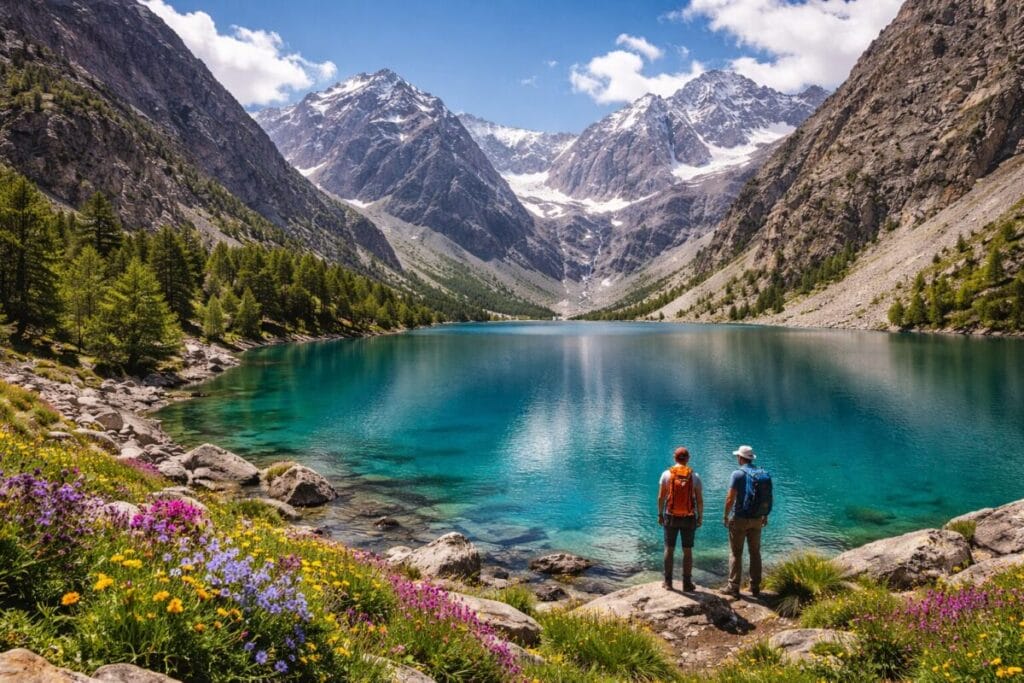
Tajikistan continues to gain attention among travelers seeking authentic and lesser-known destinations. The country offers dramatic mountain scenery, deep-rooted culture, and warm hospitality. From Dushanbe’s wide boulevards to the remote Pamir Highway, Tajikistan delivers a rewarding travel experience.
Tourism authorities now focus on easing entry, improving infrastructure, and promoting sustainable travel. As a result, visiting Tajikistan has become easier and more appealing than ever. Preparation remains essential due to local regulations and regional differences.
Understanding Tajikistan Visa Requirements
Tajikistan offers visa-free entry to citizens of many countries. Nationals from CIS states can enter with a valid passport and no visa. Travelers from the United States, European Union, Japan, Australia, and several other countries also receive visa-free access for short stays.
For travelers who require a visa, Tajikistan provides an electronic visa system. The e-visa allows a stay of up to 60 days within a 90-day validity period. Travelers complete the process online and receive approval by email.
Visitors must carry a printed copy of the visa upon arrival. Border officials may request it during entry checks. Passport validity must extend at least six months beyond departure.
Arrival Points and Border Procedures
Most international travelers arrive through Dushanbe International Airport. The airport connects Tajikistan with major regional hubs, especially in Central Asia and Russia. Khujand, Bokhtar, and Kulob airports serve additional routes.
Land crossings operate with Uzbekistan, Kyrgyzstan, China, and Afghanistan. Travelers using land borders should confirm opening hours in advance. Border procedures include migration card completion upon arrival.
Officials require travelers to retain one portion of the migration card. You must present it during departure. Losing this document may cause delays.
Where Travelers Stay in Tajikistan
Accommodation options vary by region and city. Dushanbe and Khujand offer the widest range of hotels. International brands operate alongside boutique hotels and guesthouses.
Luxury hotels cater to business and diplomatic travelers. Mid-range hotels provide comfort at moderate prices. Hostels and homestays suit budget travelers and backpackers.
In rural areas, guesthouses remain common. These stays offer cultural insight and home-cooked meals. Advance booking helps during peak travel months.
Currency Rules and Payment Practices
The Tajik somoni serves as the official currency. Cash remains essential across much of the country. Small shops, taxis, and markets rarely accept cards.
Banks and official exchange offices provide currency exchange services. Travelers should avoid informal money changers due to legal restrictions. Damaged banknotes may face rejection.
ATMs operate in major cities but may run out of cash. Travelers should carry sufficient funds when traveling outside urban centers.
Mobile Connectivity and Internet Access
Tajikistan offers reliable mobile coverage in cities and main roads. Operators provide 4G and limited 5G services. Tourists can purchase SIM cards at airports or local stores.
A passport is required for SIM registration. Data packages support navigation, messaging, and social media use. Coverage weakens in mountainous regions.
Travelers should download offline maps before heading into remote areas. This preparation helps during long road journeys.
Transport Within Cities and Regions
Dushanbe operates buses and trolleybuses across the city. Travelers use rechargeable CityCards for public transport payments. Cards are available at kiosks and major stations.
Taxis operate widely in cities. Fare negotiation before travel remains common practice. Ride-hailing apps operate in limited capacity.
For regional travel, shared taxis and minibuses connect major towns. Mountain routes often require four-wheel-drive vehicles. Drivers with local knowledge offer safer travel.
Cultural Norms and Legal Awareness
Tajikistan maintains strict regulations on prohibited items. Authorities ban narcotics, weapons, and extremist materials. Travelers should avoid carrying religious texts intended for distribution.
Exporting antiques, old books, or cultural artifacts is restricted. Jewelry and large cash amounts require declaration. Amounts over three thousand dollars must be declared at entry.
Photography near government buildings or military sites may cause issues. Travelers should ask permission when unsure.
Safety and Health Considerations
Tajikistan remains generally safe for tourists. Violent crime rates remain low. Travelers should still exercise basic caution in crowded areas.
Healthcare facilities in cities offer adequate services. Remote regions have limited medical access. Travel insurance remains essential for all visitors.
Altitude sickness may affect travelers in mountainous areas. Gradual acclimatization reduces risk during Pamir journeys.
Language and Communication Tips
Tajik is the official language. Russian remains widely spoken, especially in cities. English usage continues to grow in hotels and tourist services.
Learning basic phrases improves interactions and hospitality. Locals often appreciate respectful communication efforts.
Best Experiences Beyond the Cities
Many travelers visit Tajikistan for its natural landscapes. The Pamir Mountains offer iconic road trips and hiking routes. Iskanderkul Lake attracts visitors with alpine scenery and calm surroundings.
Khujand presents historical sites and vibrant markets. Rural villages showcase traditional lifestyles and crafts. These experiences add depth beyond city visits.
Why Tajikistan Appeals to Modern Travelers
Tajikistan offers authenticity, adventure, and cultural depth. The country suits travelers who value meaningful journeys over mass tourism. Improved access and clearer regulations now support confident travel planning.
With preparation and respect for local norms, visitors enjoy a rewarding experience. Tajikistan continues to position itself as Central Asia’s hidden travel gem.
For more travel news like this, keep reading Global Travel Wire