Indonesia has entered a new phase in its tourism development strategy. Authorities now prioritise high-quality, experience-driven travel instead of visitor volume. This shift reflects changing global travel preferences and long-term sustainability goals.
Officials announced the new direction during major regional tourism forums in Southeast Asia. The strategy focuses on visitor satisfaction, digital transformation, workforce skills, and environmental responsibility. Indonesia aims to strengthen its reputation as a destination that delivers meaningful and immersive experiences.
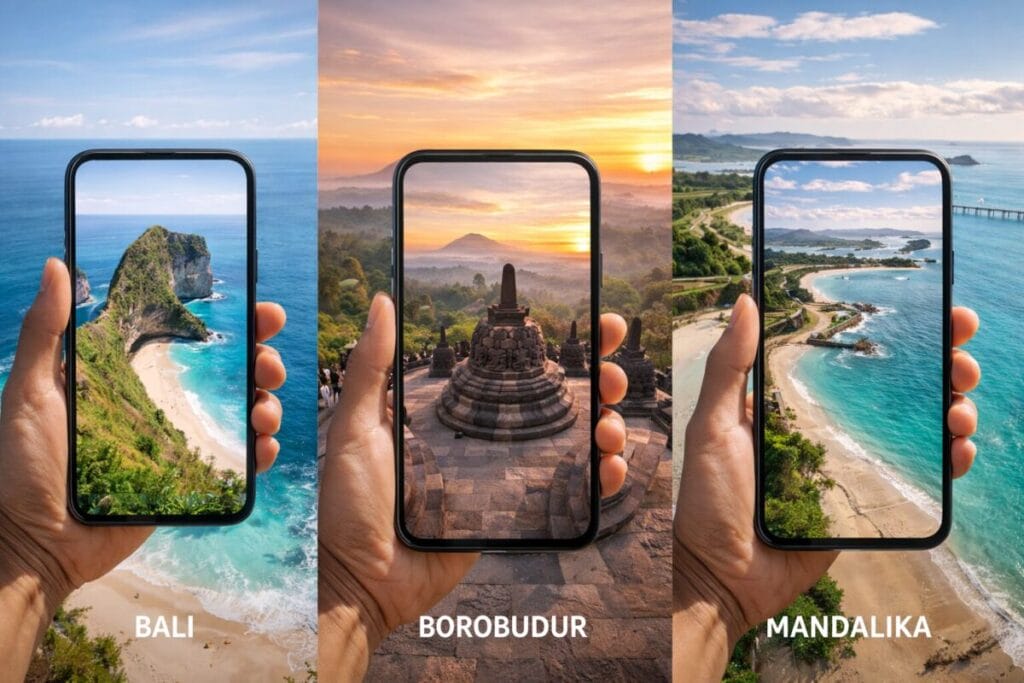
Digital innovation plays a central role in this transformation. New platforms now support destinations such as Bali, Borobudur, and Mandalika.
Strong Tourism Recovery Signals Strategic Confidence
Indonesia’s tourism sector recorded a strong recovery by the end of 2023. International arrivals reached nearly 14 million by November, aligning with national targets. Domestic tourism also surged, with more than one billion trips recorded nationwide.
Tourism continued to support the national economy. The sector contributed close to four percent of national output and supported millions of jobs. Visitors also stayed longer, spending more time exploring destinations across the country.
These results provided confidence for Indonesia to pursue a more value-focused tourism model.
Ambitious Targets Guide 2024 Tourism Growth
Indonesia has set ambitious tourism goals for 2024. Authorities expect international arrivals to reach up to 17 million visitors. Tourism spending should increase significantly as visitors stay longer and choose premium experiences.
Domestic travel remains a key pillar of growth. Officials project continued increases in local trips and employment. The sector’s economic contribution should rise further as infrastructure and services improve.
The strategy prioritises travelers who value culture, nature, wellness, and sustainability.
Experience-Led Growth Shapes New Tourism Vision
Indonesia now places experience-led tourism at the centre of its development plans. The goal focuses on authentic, personalised, and memorable journeys. Local communities play an essential role in delivering these experiences.
Cultural immersion, nature exploration, and wellness activities define the new tourism narrative. Authorities aim to spread visitor benefits beyond traditional hotspots by promoting emerging destinations.
This approach aligns with global trends that favour responsible travel and deeper engagement.
Digital Platforms Transform the Visitor Journey
Digital innovation supports Indonesia’s tourism transformation. Authorities launched new digital platforms for Bali, Borobudur, and Mandalika to enhance visitor experiences.
The government introduced an AI-powered travel companion that provides personalised recommendations and real-time assistance. Hundreds of thousands of users have already engaged with the platform.
The system helps visitors plan itineraries, access local information, and navigate destinations efficiently. Digital tools reduce friction and improve satisfaction throughout the travel journey.
Connectivity Improvements Support Global Access
Indonesia continues to prioritise connectivity across air, sea, and land transport. Regional markets remain essential, while long-haul markets offer strong growth potential.
Authorities have strengthened arrival processes through a unified digital system. This platform integrates immigration, health, and customs procedures. Visitors now experience smoother entry and reduced processing times.
Improved connectivity supports tourism growth and strengthens Indonesia’s competitiveness.
Destination Development Expands Beyond Traditional Hubs
Indonesia continues investing in destination development nationwide. Established destinations such as Bali and Jakarta remain important economic drivers. At the same time, emerging regions receive increased attention.
Authorities have prioritised infrastructure upgrades in areas like Lake Toba, Belitung Island, and the Riau Islands. These investments support visitor dispersal and reduce pressure on crowded destinations.
Sustainability remains a guiding principle. Waste management, conservation projects, and community training programs support responsible growth.
Marine Tourism Gains Global Attention
Marine tourism remains a key strength for Indonesia. Destinations like Raja Ampat and North Sulawesi attract divers and nature lovers worldwide.
Authorities continue promoting island-hopping experiences and liveaboard journeys. These products appeal to travelers seeking adventure and extended exploration.
Marine tourism supports local economies while encouraging environmental awareness.
Cultural and Wellness Tourism Expand Nationwide
Indonesia’s cultural diversity offers rich tourism potential. Hundreds of ethnic groups contribute traditions, crafts, and festivals. Cultural tourism helps visitors connect with local heritage.
Ancient temples, traditional textiles, and historic towns remain major attractions. Authorities promote storytelling and community engagement to deepen visitor understanding.
Wellness tourism continues expanding beyond Bali. Javanese yoga, spa traditions, and holistic retreats attract health-focused travelers. New wellness hubs have emerged in regions like Yogyakarta and Central Java.
Gastronomy and Muslim-Friendly Tourism Gain Momentum
Indonesia has elevated gastronomy as a core tourism pillar. Culinary festivals and food trails highlight thousands of traditional recipes. Gastronomy tourism allows travelers to experience culture through local flavours.
Muslim-friendly tourism also remains a national priority. Authorities continue expanding halal services and prayer facilities across multiple provinces. These initiatives strengthen appeal among Middle Eastern and regional Muslim travelers.
MICE Tourism Supports Economic Diversification
Meetings and events tourism continues to grow across Indonesia. The country hosted numerous international conferences and cultural events in recent years.
Business travelers often extend stays for leisure experiences. This trend increases visitor spending and destination exposure.
Authorities continue upgrading venues and services to attract global events.
Addressing Challenges Through Strategic Planning
Despite strong growth, challenges remain. Air connectivity has not fully returned to pre-pandemic levels. Authorities continue working with airlines to restore routes and expand capacity.
Operational improvements remain ongoing. Digital systems and workforce training help address service gaps and ensure quality delivery.
Indonesia Enters a New Tourism Era
Indonesia’s tourism sector has entered a transformative era. The country now prioritises quality, sustainability, and digital integration. New platforms for Bali, Borobudur, and Mandalika reflect this strategic shift.
Investments in infrastructure, technology, and community engagement support long-term success. Visitors now enjoy deeper experiences that benefit both travelers and host communities.
Indonesia’s experience-led approach positions the country as a leading destination for travelers seeking culture, nature, and meaningful journeys.
For more travel news like this, keep reading Global Travel Wire