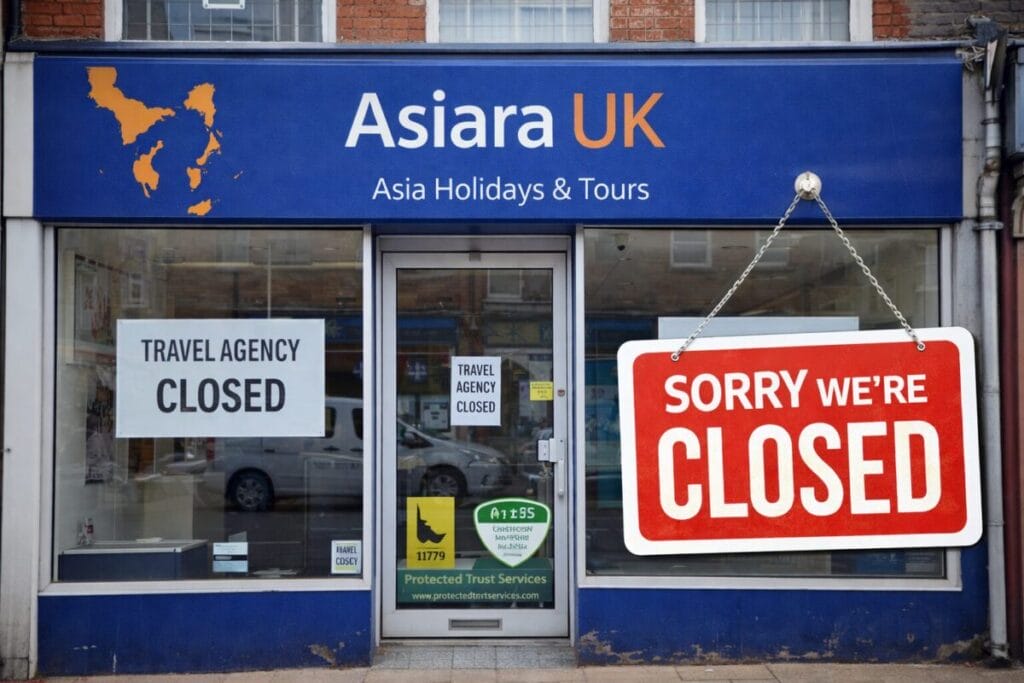
The abrupt collapse of Asiara UK has sent shockwaves through the tourism industry. The Ipswich-based travel company ceased operations in January 2026, leaving thousands of customers facing uncertainty. Travelers who booked flights and tailor-made tours to Southeast Asia now scramble for solutions.
The company built a strong reputation for personalized travel experiences. It focused on destinations such as Thailand, Singapore, and Vietnam. Its sudden closure reflects broader challenges facing boutique travel agencies worldwide.
Industry observers view this event as another sign of structural changes within the global travel market.
Timeline of the Collapse Raises Industry Concerns
Asiara UK operated under a franchise agreement with Protected Trust Services. The business dissolved officially on January 13, 2026, and stopped trading shortly afterward. Customers learned about the shutdown with little warning, creating confusion across the market.
Many travelers relied on financial protection schemes linked to their bookings. Authorities confirmed that ATOL protections cover eligible packages, offering refunds or repatriation support. However, travelers still face delays and logistical challenges.
The sudden nature of the closure has raised questions about financial resilience among smaller travel operators.
Why Asiara UK Attracted International Travelers
Asiara UK gained popularity through tailor-made itineraries and small-group tours. Travelers valued curated experiences that differed from mass-market packages. The company marketed personalized journeys that included cultural immersion and flexible scheduling.
Demand for bespoke travel experiences has grown significantly in recent years. Many travelers prefer smaller agencies that deliver unique adventures. Southeast Asia remains a popular destination due to its cultural diversity, affordability, and natural beauty.
Asiara UK filled a niche market by combining luxury service with independent travel experiences.
Travelers Face Uncertainty After Bookings Disrupted
Customers affected by the collapse now face uncertainty about upcoming holidays. Some travelers must rearrange flights or find alternative tour providers. Others await refunds or assistance through financial protection schemes.
Industry regulators have advised affected travelers to contact Protected Trust Services for guidance. ATOL protection ensures that eligible bookings receive financial safeguards. However, travelers may still need to navigate administrative processes.
The situation highlights the importance of booking through protected channels when planning international travel.
Wider Impact on UK and Global Tourism Markets
The collapse of Asiara UK adds to a growing list of travel company closures in recent years. Several smaller operators have struggled with rising costs, changing consumer behavior, and competitive pressure from larger platforms.
Online booking systems and major tour operators continue to reshape the industry. Smaller agencies often struggle to compete with large-scale pricing and marketing resources.
The closure also raises concerns about the future of boutique travel agencies that specialize in niche markets. While personalized services remain popular, financial sustainability presents ongoing challenges.
Financial Protection Schemes Provide Safety Net
ATOL protection remains a key safeguard for travelers in the United Kingdom. The scheme ensures that customers receive financial compensation if a travel company fails. Protected Trust Services also offers additional security measures for bookings.
Authorities encourage travelers to verify financial protection before making reservations. This practice reduces risk and provides peace of mind during uncertain market conditions.
Despite these protections, industry experts emphasize the importance of transparency and communication during business closures.
Industry Trends Contribute to Increased Pressure
Several factors have contributed to instability within the travel sector. Rising operational costs, fluctuating currency values, and increased regulatory requirements create financial pressure on smaller companies.
Changing traveler behavior also plays a role. Many customers now book directly with airlines or accommodation platforms. This shift reduces revenue opportunities for traditional travel agencies.
At the same time, demand for personalized travel experiences continues to grow. Agencies must balance innovation with financial sustainability to remain competitive.
Implications for Travelers Planning Future Trips
The collapse of Asiara UK may influence how travelers choose tour providers. Many customers now prioritise financial protection, established brands, and flexible cancellation policies.
Travelers should research company credentials and review financial safeguards before booking. Industry experts recommend using payment methods that offer additional consumer protection.
Despite recent disruptions, the overall tourism market continues to grow. Long-haul travel to Asia remains popular among both UK and international travelers.
Potential Industry Transformation in 2026
The ongoing wave of travel company closures may reshape the industry landscape. Larger travel brands could gain market share as smaller operators struggle to maintain stability.
This shift could reduce diversity in travel offerings, especially within niche segments. Travelers who value personalized experiences may need to seek alternative providers or independent planning methods.
Industry stakeholders continue discussing reforms that support financial stability while encouraging innovation.
Looking Ahead: A Turning Point for the Travel Industry
The collapse of Asiara UK marks a pivotal moment for the tourism sector. It highlights both the opportunities and risks facing boutique travel companies in a rapidly evolving market.
Financial protection schemes offer reassurance to travelers, yet industry resilience depends on stronger business models and strategic adaptation.
As the global travel market continues to evolve, companies must balance personalization, digital innovation, and financial sustainability. Travelers will likely become more cautious, while industry leaders seek new ways to build trust and stability.
The events surrounding Asiara UK underline the importance of transparency, consumer protection, and strategic planning in shaping the future of travel.3
For more travel news like this, keep reading Global Travel Wire