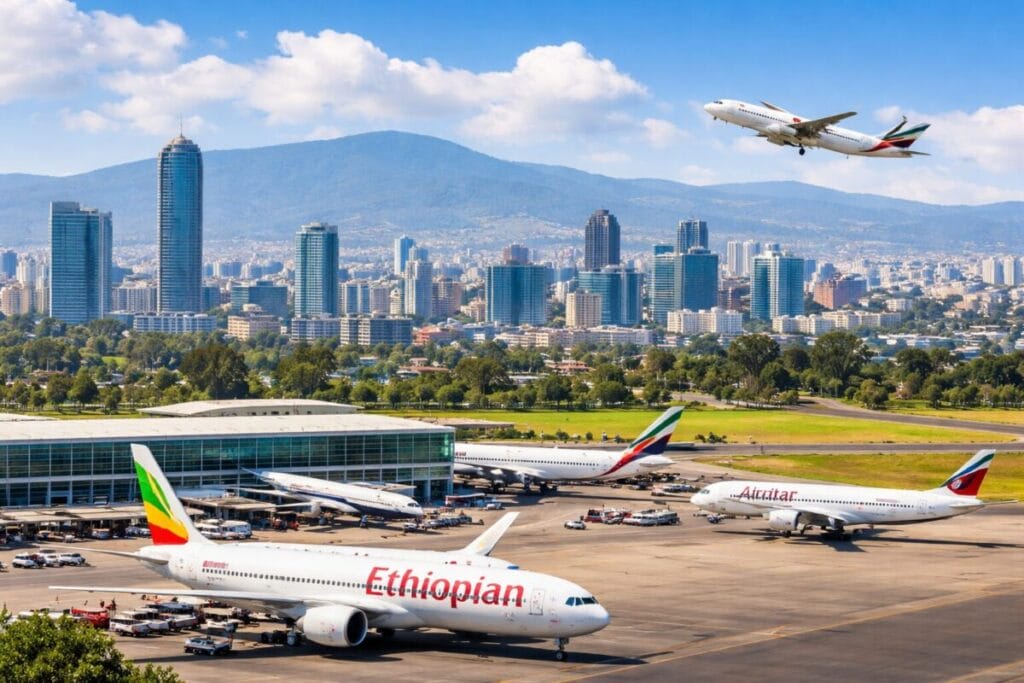
Addis Ababa is experiencing one of its strongest tourism surges in recent years. Nearly 700,000 international visitors arrived during the first six months of the Ethiopian fiscal year 2025–2026. Improved air connectivity, infrastructure upgrades, and increased global interest in Ethiopian culture have fueled this rapid growth.
Major international airlines, including Ethiopian Airlines, Emirates, Qatar Airways, Turkish Airlines, and Lufthansa, are driving this momentum. Expanded flight routes and stronger global networks have made the Ethiopian capital more accessible than ever. As a result, Addis Ababa is emerging as a key travel gateway in Africa for both leisure and business travelers.
Tourism authorities see this rise as a turning point. The city now attracts visitors seeking history, culture, conferences, and unique African experiences.
Airlines Expand Connectivity and Global Access
Air connectivity remains the biggest factor behind the surge. Ethiopian Airlines continues to expand its international network, linking Addis Ababa with cities across Europe, Asia, North America, and the Middle East. The airline’s strategy of positioning Addis Ababa as a transit hub has encouraged stopovers and short visits by global travelers.
International carriers have also strengthened operations. Emirates connects travelers from Dubai, while Qatar Airways offers strong connections through Doha. Turkish Airlines provides access through Istanbul, linking Africa with Europe and Asia efficiently. Lufthansa’s services have increased travel from Germany and neighboring European markets.
More flight options mean shorter travel times and competitive fares. This has encouraged tourism operators to promote Ethiopia as a new destination for cultural tourism and business events.
Hospitality Sector Sees Record Demand
The rise in visitor numbers has transformed Addis Ababa’s hospitality landscape. Hotels report higher occupancy levels and increased international bookings. Luxury properties, international hotel chains, and locally owned accommodations are expanding to meet demand.
Global brands such as Hilton and Marriott continue to invest in the city. High-end hotels offer conference facilities, reflecting Addis Ababa’s role as a diplomatic center hosting international organizations and meetings. Mid-range hotels and boutique stays have also grown, catering to budget-conscious travelers.
The increase in accommodation options has strengthened the tourism ecosystem. Restaurants, tour operators, and local transport services have benefited from the steady flow of visitors.
Cultural Festivals Boost International Appeal
Ethiopia’s cultural identity plays a major role in attracting tourists. Addis Ababa serves as a gateway to ancient traditions, religious heritage, and vibrant celebrations. Festivals such as Timkat, Meskel, and Enkutatash draw visitors who want authentic cultural experiences.
These events showcase traditional music, ceremonial processions, and local cuisine. Travelers often plan their visits around major celebrations to experience Ethiopian Orthodox traditions and community gatherings.
Sports tourism also contributes to growth. Addis Ababa hosts international races and athletic events, capitalizing on Ethiopia’s global reputation in long-distance running.
Infrastructure Development Supports Growth
Infrastructure improvements have helped the city handle rising tourist numbers. Addis Ababa Bole International Airport has undergone significant upgrades to increase passenger capacity and improve traveler experience. New terminals and modern facilities streamline arrivals and departures.
Urban development projects focus on improving roads, public transport, and city planning. These upgrades aim to reduce congestion and enhance mobility for visitors.
The Ethiopian government continues to prioritize tourism as a strategic economic sector. Investments in aviation, hospitality, and urban infrastructure support long-term growth goals.
Top Experiences for Visitors in Addis Ababa
Travelers visiting Addis Ababa can explore a mix of history, nature, and modern city life.
The National Museum of Ethiopia remains a key attraction. It houses archaeological treasures and offers insights into the country’s ancient past. Holy Trinity Cathedral draws visitors with its striking architecture and historical significance.
Nature lovers often visit the nearby Entoto Mountains for panoramic city views and cooler temperatures. Markets such as Merkato provide a lively introduction to local commerce and culture.
Food tourism also plays a growing role. Ethiopian cuisine, known for communal dining and bold flavors, attracts international travelers eager to try dishes like injera, tibs, and vegetarian stews.
Travel Essentials for International Tourists
Most visitors require a visa before entering Ethiopia, although digital visa systems have simplified the process for many nationalities. The Ethiopian Birr is the local currency, and cash remains useful for smaller purchases despite growing card acceptance.
Addis Ababa’s high elevation gives the city a mild climate year-round. Travelers should prepare for warm daytime temperatures and cooler evenings. English is widely spoken in hotels and tourist areas, making navigation easier for international visitors.
Health preparations, including recommended vaccinations and travel insurance, remain important considerations.
Future Outlook for Addis Ababa Tourism
Industry experts expect the tourism boom to continue as airlines expand routes and Ethiopia promotes cultural tourism globally. Addis Ababa’s role as a diplomatic capital, aviation hub, and cultural destination positions it for long-term growth.
New hotels, improved infrastructure, and diversified tourism experiences will likely attract more international visitors. As global awareness of Ethiopia increases, Addis Ababa may become one of Africa’s most dynamic tourism centers.
The current surge signals a broader transformation. With strong airline partnerships and rising global interest, Addis Ababa stands ready to welcome a new era of tourism expansion.
For more travel news like this, keep reading Global Travel Wire