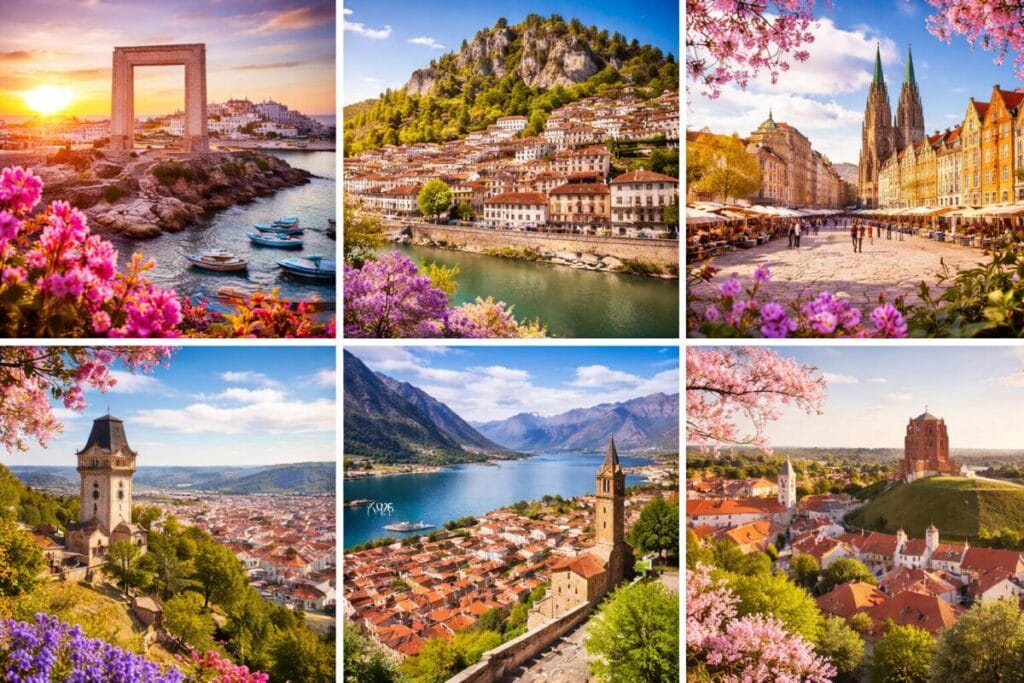
As spring transforms Europe with blooming landscapes and milder temperatures, a growing number of travellers are turning away from overcrowded capitals and discovering lesser-known destinations that offer authentic cultural experiences. From tranquil Greek islands to historic Eastern European cities and scenic coastal towns, these emerging hotspots provide a perfect blend of history, nature, and affordability.
Travel experts increasingly highlight spring as one of the best seasons to explore these hidden gems. Fewer crowds, lower prices, and comfortable weather conditions make it easier to enjoy local traditions, outdoor activities, and architectural treasures without the rush of peak summer tourism.
Here’s a closer look at some of Europe’s most captivating yet underrated spring destinations that are attracting attention among travellers seeking something unique.
Naxos, Greece: Authentic Cycladic Charm Beyond the Crowds
Naxos stands out among the Greek islands for its combination of history, beaches, and traditional lifestyle. Unlike nearby tourist-heavy destinations, Naxos retains a relaxed atmosphere, particularly during spring when wildflowers bloom and the Mediterranean climate is ideal for exploration.
The island’s iconic Portara, a massive marble gateway overlooking the sea, is a highlight for visitors seeking panoramic views at sunrise or sunset. Naxos Old Town invites travellers to wander through narrow streets lined with whitewashed houses, local shops, and tavernas serving fresh regional cuisine.
Spring is also perfect for exploring inland villages, where olive groves and mountain trails reveal a quieter side of Greek island life. Hiking routes leading to ancient ruins and hidden chapels provide memorable experiences, while beaches like Agios Prokopios offer peaceful walks before summer crowds arrive.
Berat, Albania: Ottoman Heritage and Scenic Landscapes
Berat, often called the “City of a Thousand Windows,” is gaining recognition as one of Europe’s most charming historical destinations. Known for its preserved Ottoman-era architecture and dramatic hillside setting, the city offers visitors a journey through centuries of cultural history.
Spring enhances Berat’s appeal as flowers bloom along riverbanks and mild weather encourages exploration of its historic quarters. The Mangalem and Gorica districts showcase cascading white houses that create a unique skyline. Berat Castle, perched on a hilltop, provides sweeping views and access to historic churches and museums.
Nature lovers can venture beyond the city to nearby parks and lakes, where hiking trails reveal lush landscapes and tranquil scenery. Combined with affordable accommodations and traditional cuisine, Berat is becoming a favourite among travellers seeking authentic Balkan experiences.
Wroclaw, Poland: Architectural Beauty and Vibrant Spring Atmosphere
Wroclaw offers a colourful blend of Gothic, Renaissance, and modern influences, making it a standout city break destination in Central Europe. Often overshadowed by more famous Polish cities, Wroclaw comes alive in spring as parks turn green and outdoor cafes fill with locals.
The Old Town Market Square, with its vibrant facades and historic town hall, serves as the heart of the city’s social life. Cathedral Island provides a quieter escape, featuring historic churches and riverside paths ideal for leisurely walks.
Green spaces play a major role in Wroclaw’s charm. Botanical gardens and landscaped parks offer seasonal blooms, while unique attractions like the Japanese Garden provide peaceful retreats. With affordable dining and accommodation options, Wroclaw is particularly appealing to travellers seeking value without compromising on cultural experiences.
Graz, Austria: A Blend of History, Design and Culinary Innovation
Austria’s second-largest city, Graz, is emerging as a cultural gem that combines historic charm with contemporary creativity. Its UNESCO-listed old town features Renaissance courtyards, Baroque facades, and charming squares, while modern architectural highlights reflect the city’s forward-thinking spirit.
Spring transforms Graz into a lively destination filled with outdoor festivals, markets, and seasonal culinary experiences. Schlossberg Hill offers panoramic views and scenic walking paths, while Eggenberg Palace showcases elegant gardens perfect for spring strolls.
The city’s reputation as a culinary capital adds another dimension to its appeal, with farm-to-table dining and regional specialties attracting food lovers from across Europe.
Kotor, Montenegro: Medieval Beauty Along the Adriatic Coast
Nestled within a dramatic bay surrounded by mountains, Kotor is a medieval town that offers stunning scenery and rich history. Spring is considered one of the best times to visit, as pleasant weather and fewer visitors create an ideal environment for exploring.
Kotor’s Old Town is a maze of narrow streets, stone buildings, and historic squares that reflect centuries of maritime heritage. Adventurous travellers can climb the ancient city walls for breathtaking views of the bay, while boat tours reveal nearby islands and coastal villages.
The surrounding landscape offers opportunities for hiking and scenic drives, making Kotor a perfect blend of cultural exploration and outdoor adventure.
Vilnius, Lithuania: A Creative Capital with Historic Charm
Vilnius combines baroque architecture with a vibrant contemporary culture, making it one of Europe’s most intriguing yet underrated capitals. Spring brings renewed energy to the city as parks and riverside paths burst into bloom.
The UNESCO-listed Old Town invites visitors to explore cobblestone streets, historic churches, and lively cafes. Gediminas Tower provides panoramic views, while cultural festivals and art events create a dynamic atmosphere throughout the season.
Vilnius is also known for its affordability compared to Western European capitals, offering budget-conscious travellers access to high-quality dining, cultural attractions, and walkable city experiences.
Why Spring Is the Perfect Time to Explore Europe’s Hidden Gems
Spring travel offers a unique balance between pleasant weather and reduced crowds, allowing travellers to experience destinations more authentically. Accommodation rates are often lower, attractions are less busy, and outdoor activities become more enjoyable as landscapes awaken after winter.
These emerging destinations highlight a broader shift in travel trends, where visitors increasingly seek meaningful experiences beyond traditional tourist hotspots. Whether exploring historic towns, enjoying coastal views, or discovering vibrant cultural scenes, Europe’s hidden spring destinations provide unforgettable journeys without the stress of peak-season tourism.
As interest in alternative travel grows, cities like Naxos, Berat, Wroclaw, Graz, Kotor, and Vilnius are redefining what it means to experience Europe — offering beauty, culture, and affordability in one unforgettable season.
For more travel news like this, keep reading Global Travel Wire