Severe storms and relentless rainfall have triggered a major travel alert across the United Kingdom. Authorities warn travelers and residents about widespread flooding, transport disruption, and ongoing safety risks. Extreme weather has affected multiple regions, forcing emergency services into rapid response mode while tourism operations face serious challenges.
Rising water levels continue to impact daily life. Flooded roads, delayed trains, and closed schools highlight the scale of disruption. Officials urge travelers to monitor updates and avoid high-risk areas until conditions improve.
Widespread Flooding Impacts Key Regions and Tourist Areas
Heavy rainfall has caused extensive flooding across England and Scotland. Regions such as Shropshire, Warwickshire, Devon, Hampshire, and Aberdeenshire report significant damage and travel challenges. Emergency authorities have issued more than 230 flood alerts, signaling dangerous conditions across the country.
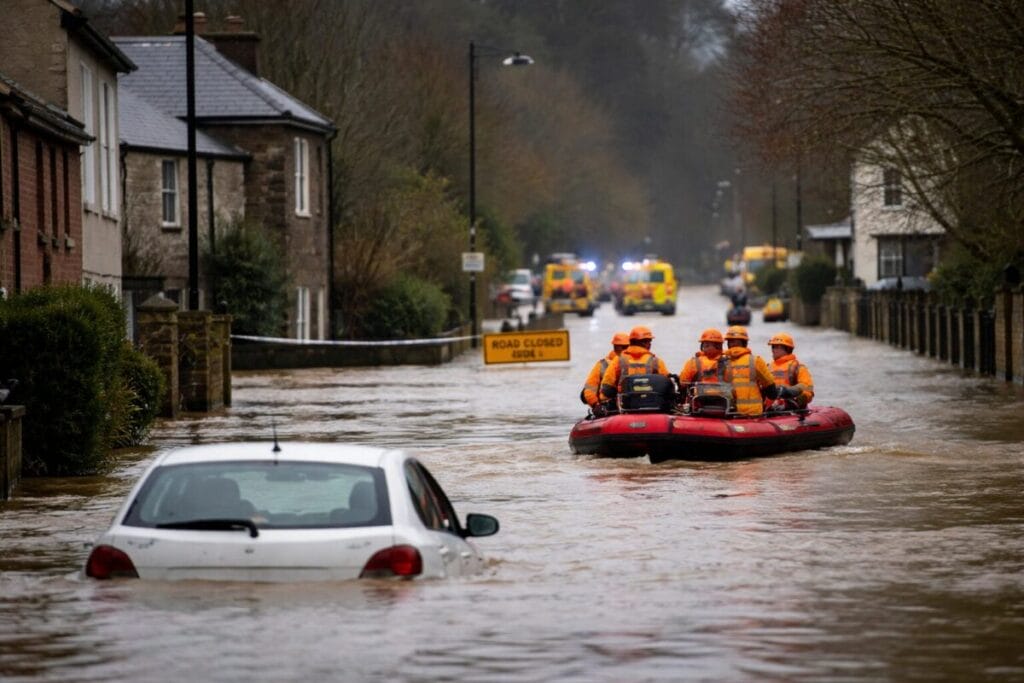
In Shropshire, rising water submerged vehicles and blocked routes near Walfords Bridge. Although no injuries occurred, the incident demonstrated how quickly conditions can worsen. Floodwaters continue to threaten communities located near rivers and low-lying areas.
Meanwhile, Warwickshire officials warn residents about imminent flooding as river levels surge. Continuous rainfall has pushed the River Dene toward dangerous thresholds. Emergency teams monitor conditions and provide resources such as sandbags and temporary flood barriers.
Scotland Faces Extreme Rainfall and Infrastructure Pressure
Aberdeenshire has experienced some of the heaviest rainfall nationwide. Aboyne recorded more than 130 percent of its typical February rainfall within five days. Such intense weather has overwhelmed drainage systems and strained infrastructure.
Local authorities report travel delays, damaged roads, and school closures across affected communities. Tourism businesses in scenic rural regions also struggle with cancellations as visitors delay trips due to safety concerns.
Transport operators advise travelers to check schedules regularly. Rail services face interruptions caused by flooded tracks and fallen debris. Drivers encounter road closures, diversions, and reduced visibility due to heavy rain and strong winds.
Series of Powerful Storms Raises Climate Concerns
The flooding crisis follows a series of powerful storms that have battered the United Kingdom this year. Storm Ingrid, Storm Goretti, and Storm Chandra brought heavy rainfall, strong winds, and widespread damage. These events demonstrate a pattern of increasingly intense weather affecting travel and tourism.
Meteorologists continue to monitor developing weather systems that may bring additional rainfall. Forecasts suggest prolonged unsettled conditions, which could extend recovery timelines and create further disruptions.
Government agencies emphasize climate resilience as extreme weather becomes more frequent. Experts highlight the importance of improved flood defenses and long-term planning to protect infrastructure and communities.
Tourism Sector Faces Economic and Operational Challenges
The tourism and hospitality industry faces immediate financial pressure due to cancellations and reduced visitor numbers. Hotels, restaurants, and attractions located in flood-prone areas report declining bookings as travelers postpone or cancel plans.
Rural tourism destinations feel particular strain. Flooded walking trails, closed heritage sites, and disrupted transport links discourage visitors. Local businesses rely heavily on seasonal tourism, so prolonged disruptions threaten economic stability.
Farm tourism operators also report losses as flooding damages farmland and agricultural activities. Many farmers struggle to protect livestock and crops while managing visitor safety.
Authorities encourage travelers to remain flexible and review travel insurance policies before planning trips. Tourism boards continue to promote safe travel practices and alternative destinations less affected by severe weather.
Emergency Services Focus on Safety and Preparedness
Emergency teams across affected regions work around the clock to manage the crisis. Fire and rescue services assist stranded residents, clear blocked roads, and monitor flood-prone zones. Police and local councils coordinate evacuation plans where necessary.
Officials urge residents and visitors to avoid flooded roads, as water depth can change rapidly. Even shallow floodwater can hide hazards and create dangerous driving conditions. Authorities also recommend preparing emergency kits and staying informed through local alerts.
Community volunteers support relief efforts by distributing supplies and assisting vulnerable residents. Local networks demonstrate strong cooperation as neighborhoods work together during the crisis.
Long-Term Solutions and Future Preparedness
The ongoing flooding crisis highlights the need for stronger flood defenses and improved planning. Government agencies consider investment in drainage systems, flood barriers, and advanced forecasting technology. Public awareness campaigns may also help communities respond more effectively to future extreme weather.
Urban planners explore sustainable infrastructure solutions to reduce flood risks. Green spaces, improved river management, and climate-adaptive building strategies could reduce long-term vulnerability.
As recovery begins, experts stress that adaptation remains essential. Climate-driven weather patterns may increase the frequency of severe storms, which could reshape travel planning and tourism management across the UK.
Travel Outlook Remains Uncertain as Weather Continues
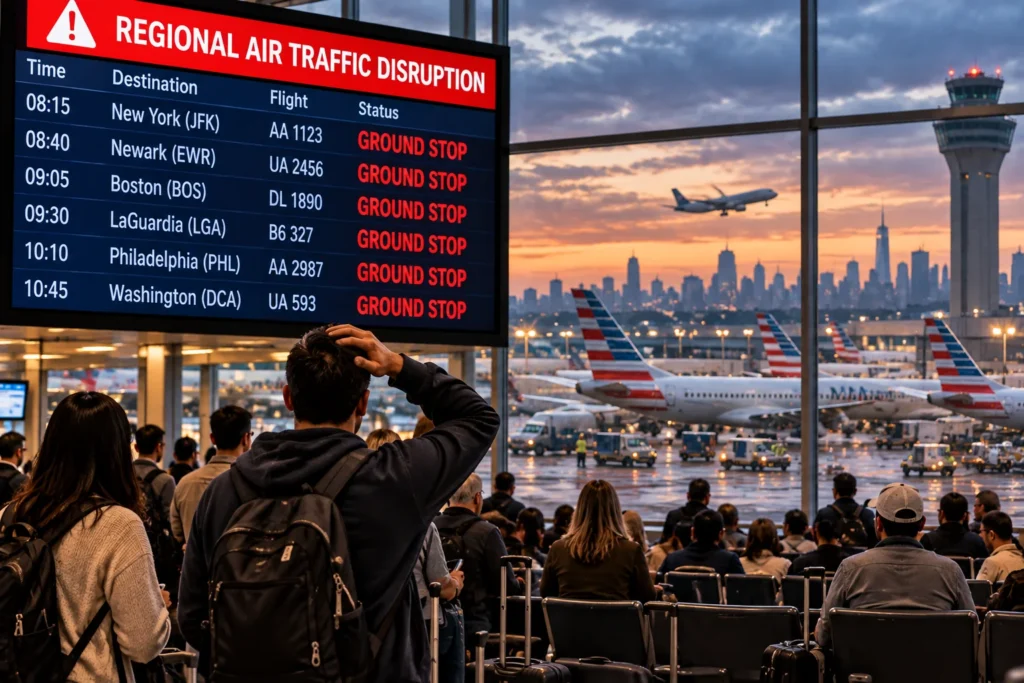
Authorities warn that more rainfall may arrive in the coming days. Travelers should expect ongoing delays and potential cancellations across transport networks. Airlines, rail operators, and tourism businesses continue to adjust schedules based on changing conditions.
Despite challenges, communities across the United Kingdom demonstrate resilience and cooperation. Emergency services remain focused on safety while tourism operators plan gradual recovery once weather conditions stabilize.
The current crisis serves as a reminder of how extreme weather can reshape travel experiences. Visitors planning trips to the UK should remain cautious, stay informed, and prioritize safety as the situation evolves.
For more travel news like this, keep reading Global Travel Wire